First, what's behind it?
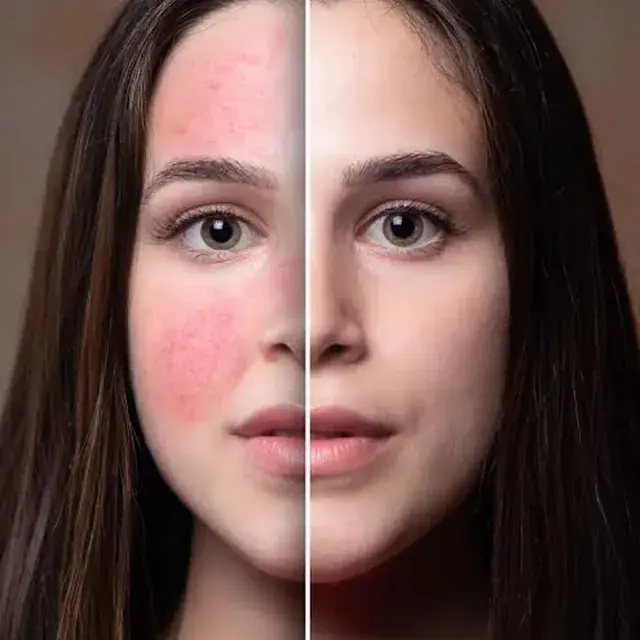
Redness and sensitivity can have lots of causes. Sometimes it's a stressed skin barrier from harsh products or too much exfoliating. Sometimes it's everyday triggers such as heat, cold wind, spicy food, alcohol or hot showers. And sometimes it's a skin condition that needs medical care.
If your redness burns or affects your eyes, please see your GP. Conditions such as rosacea and eczema need a proper diagnosis, and skincare should support that care, not replace it.
For everyday sensitivity and redness, a gentle routine can help your skin look calmer and feel more comfortable.
Strip it back
When skin is reacting, my first advice is always the same: do less. Stop anything that stings. Put scrubs, strong acids and retinoids on hold for now. Wash with lukewarm water, never hot, and pat your skin dry.
Your skin barrier is the outermost layer of your skin. Its job is to hold moisture in and keep irritants out. When it's stressed, even gentle products can sting, so the aim is to give it a calm, quiet few weeks to recover.
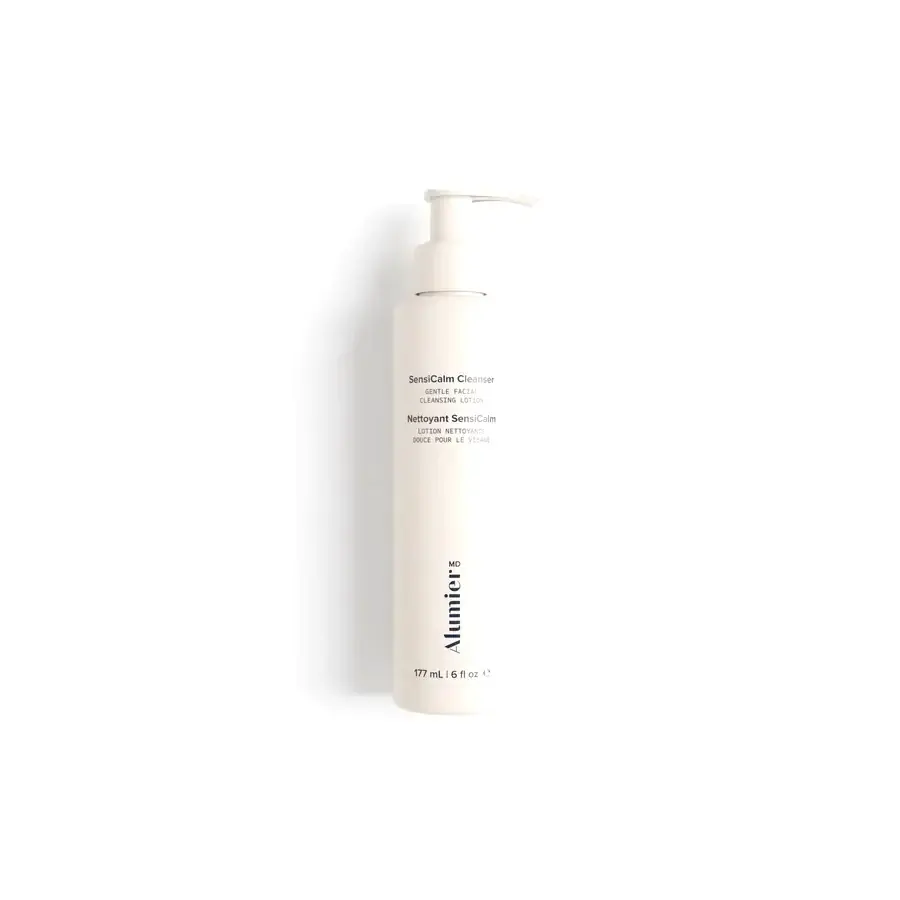
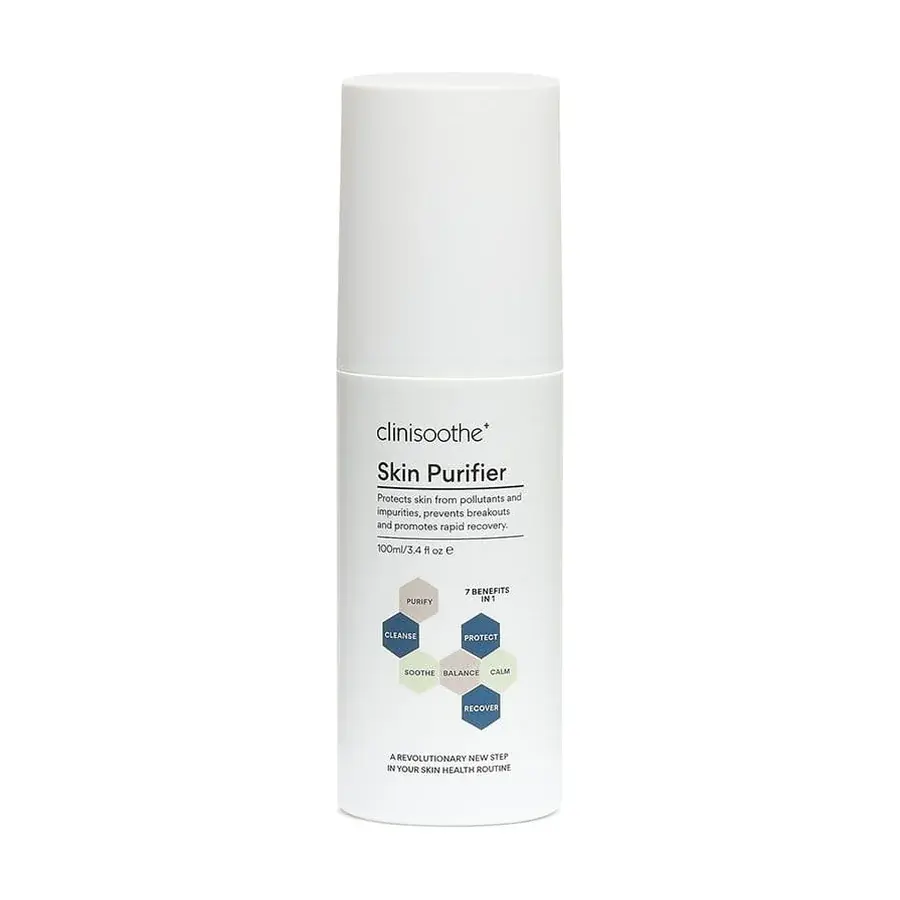
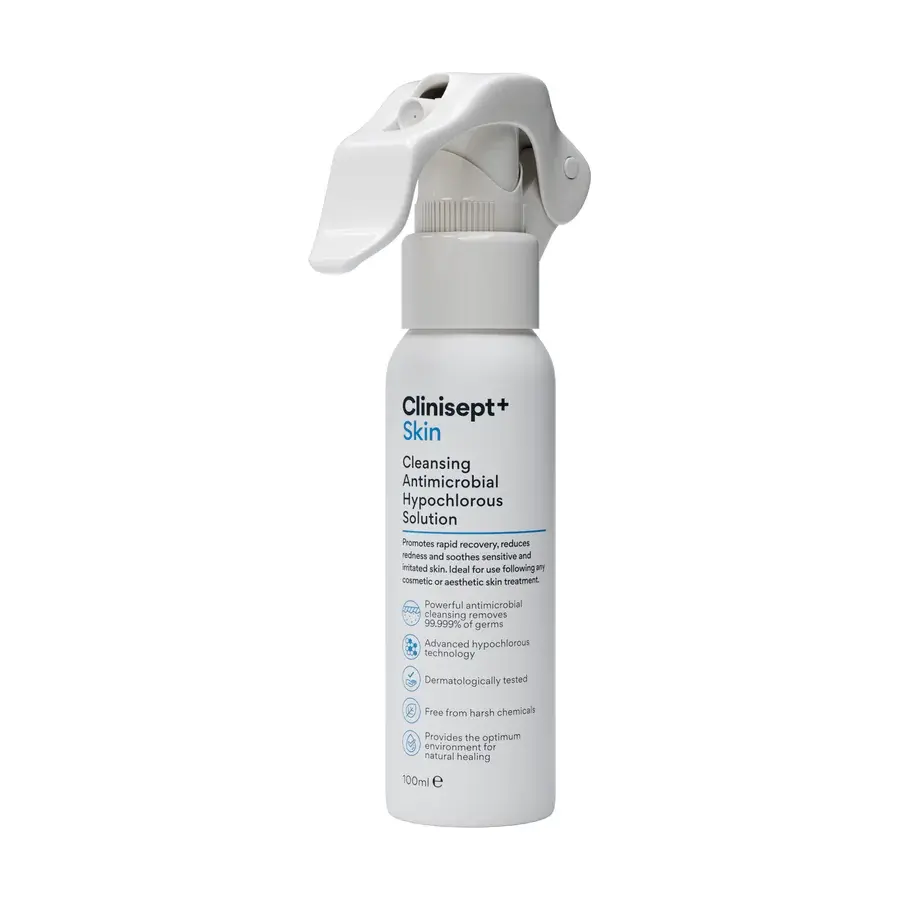
Cleanse with something creamy and pH-balanced. AlumierMD SensiCalm Cleanser has ceramides, niacinamide and aloe, and leaves skin clean without that tight feeling. After cleansing, Clinisoothe+ Skin Purifier is a gentle hypochlorous mist that helps skin feel calm and balanced, with no alcohol or fragrance.
 Tanisha's tipIntroduce one new product at a time and give it two weeks before you add another. If your skin reacts, you'll know exactly why.
Calm and support
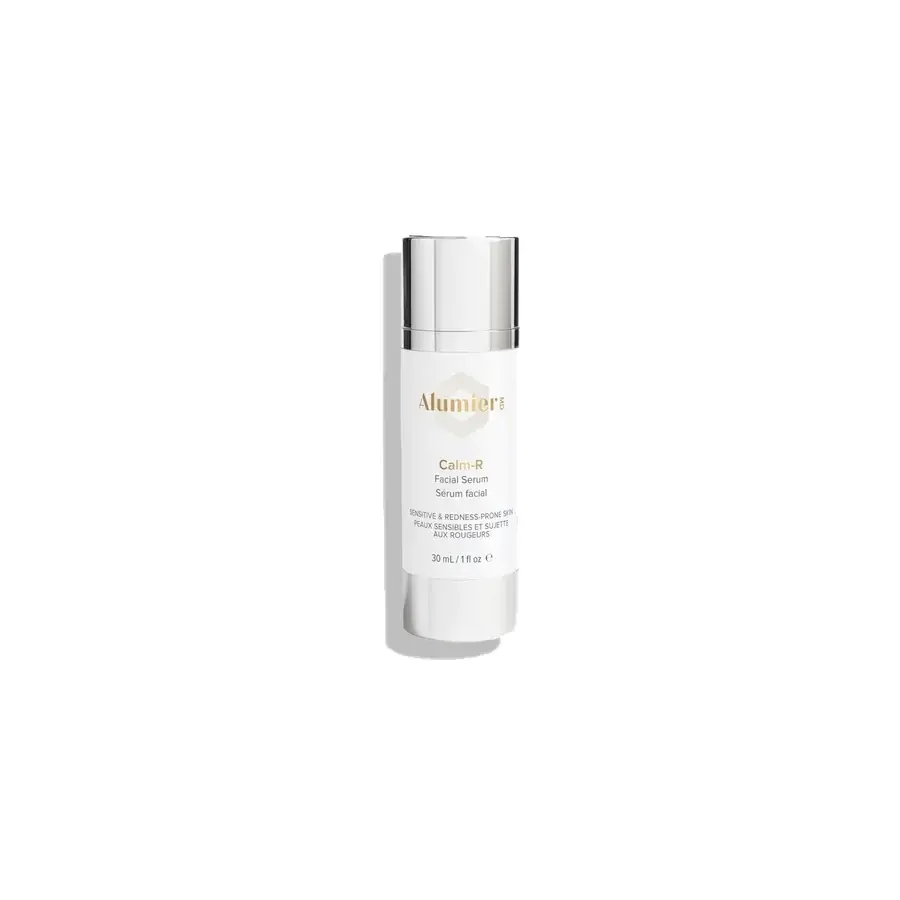
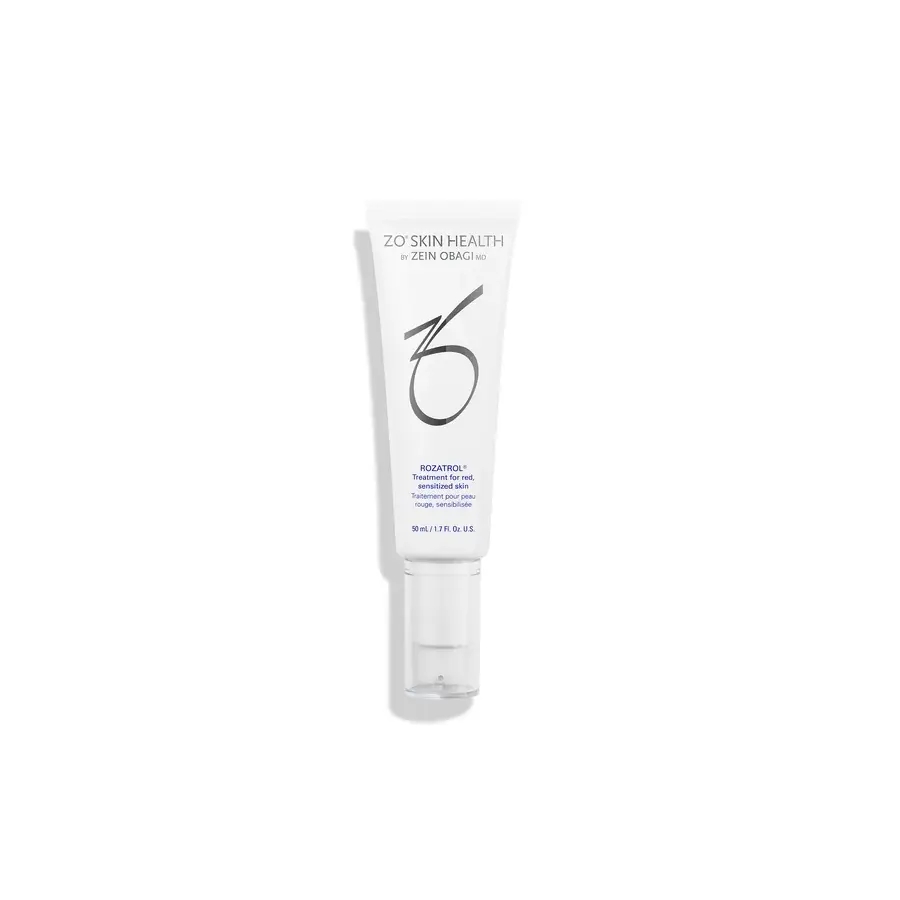
Next, a serum made for redness-prone skin. AlumierMD Calm-R uses soothing botanicals and barrier-replenishing lipids to help skin look calmer and more even. ZO Rozatrol is designed to calm the look of redness and flushing while supporting the skin barrier. It's ordered after a free consultation here, so one of my skin experts can check it suits you.
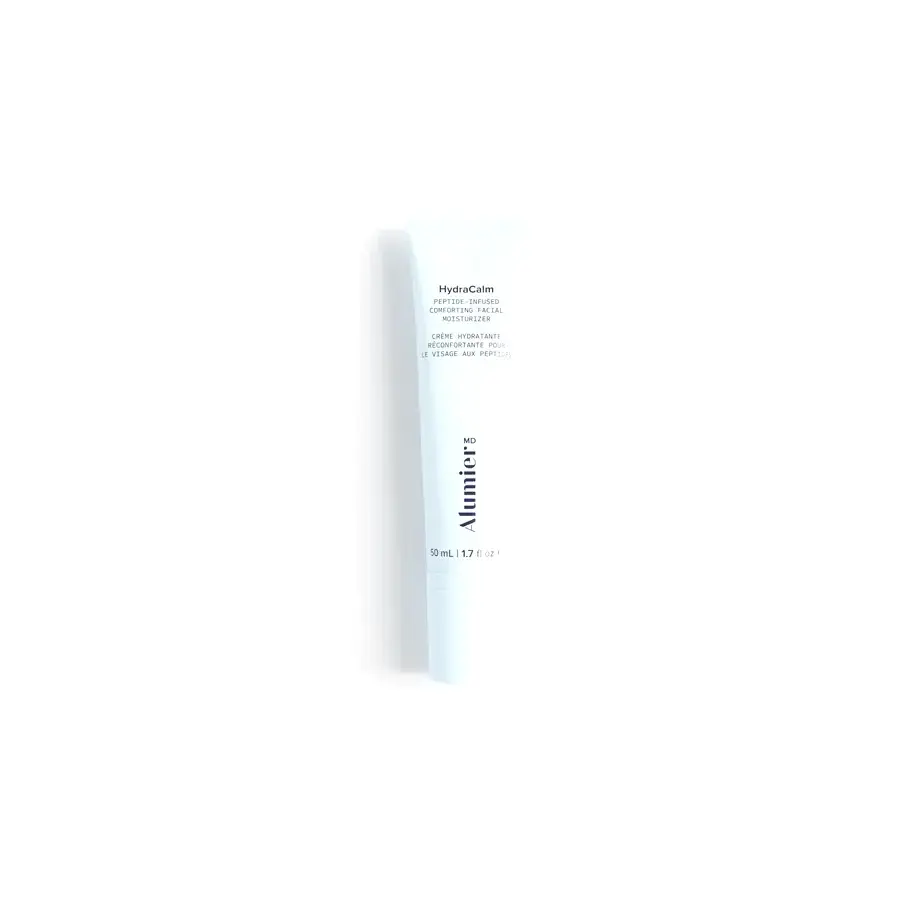
Then a moisturiser that comforts. AlumierMD HydraCalm has hyaluronic acid, niacinamide and calming botanicals, and it's free from artificial fragrance.
Fragrance-free products are often a safer choice for reactive skin. It's worth checking the label, even on products you've used for years.
Protect every day
Sun is one of the most common triggers for redness, so SPF isn't optional. Mineral filters tend to be the most comfortable on sensitive skin. Heliocare 360° Mineral Tolerance Fluid is fragrance-free, light and made for reactive skin.
Think about your surroundings too. A scarf on cold, windy days, a cooler shower and a little distance from a hot fire or heater can all help skin that flushes easily.
Then be patient. A calmer-looking complexion comes from steady care over weeks, not from one product. Keep your routine short, keep it consistent and let your skin settle.
Tanisha's tipKeep a note on your phone of what was happening when your skin flared: the weather, what you ate, stress, a new product. Patterns often appear within a few weeks.