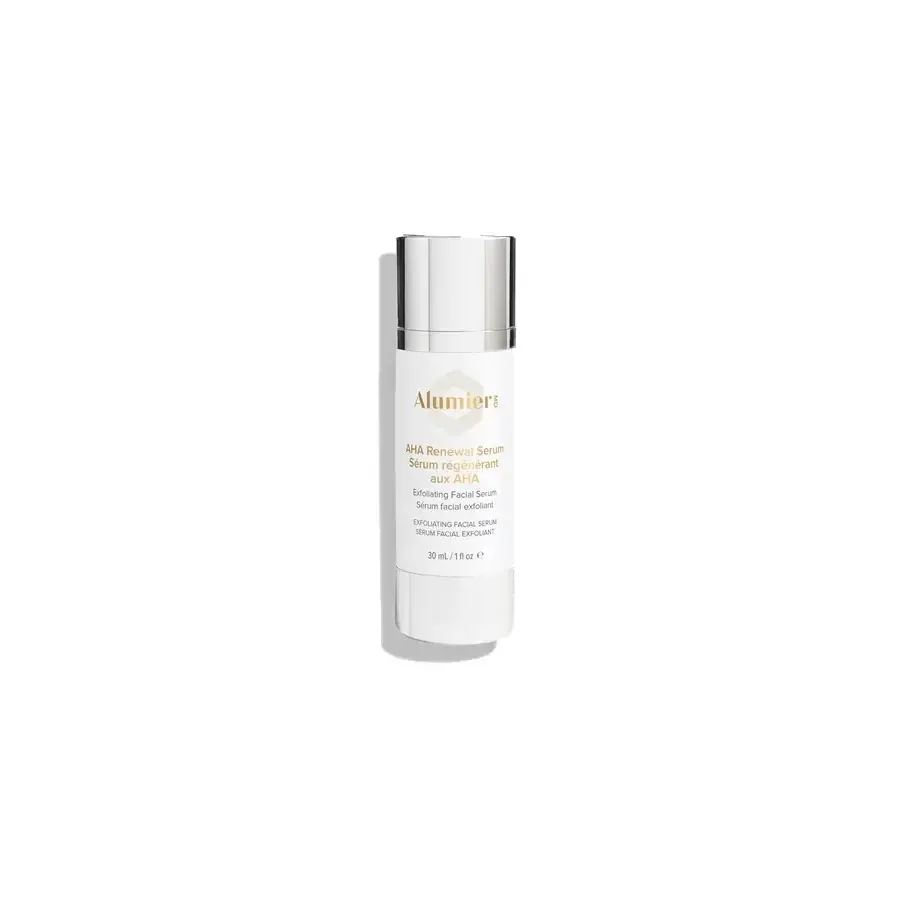
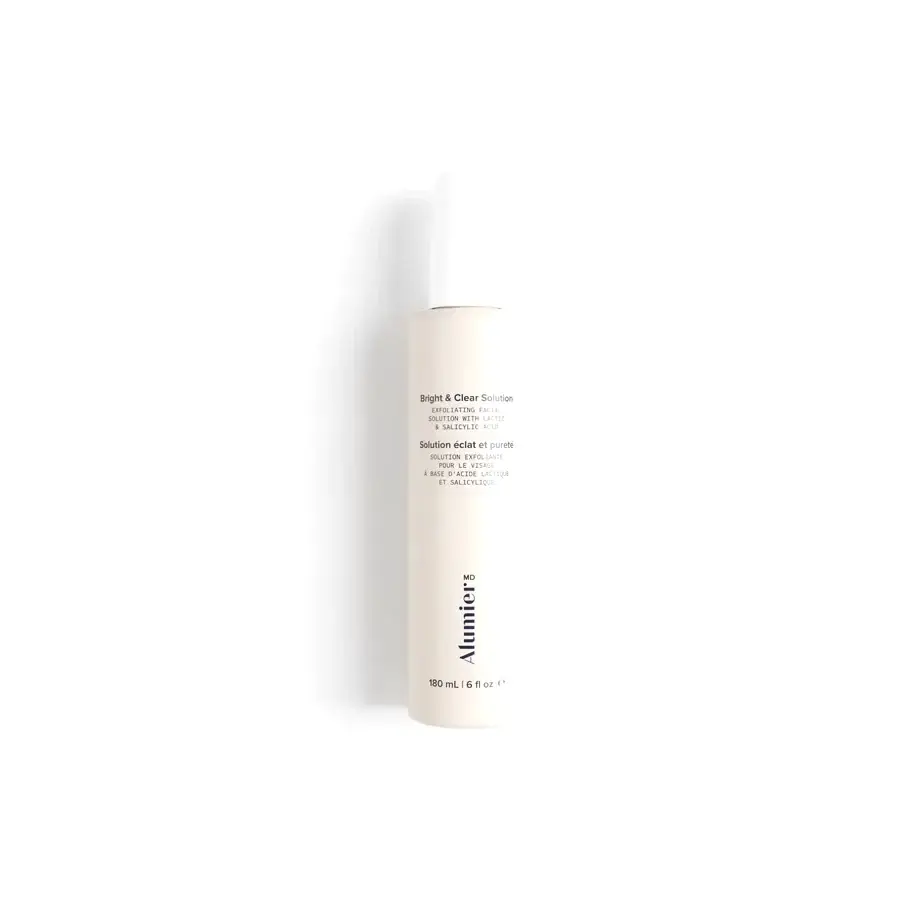
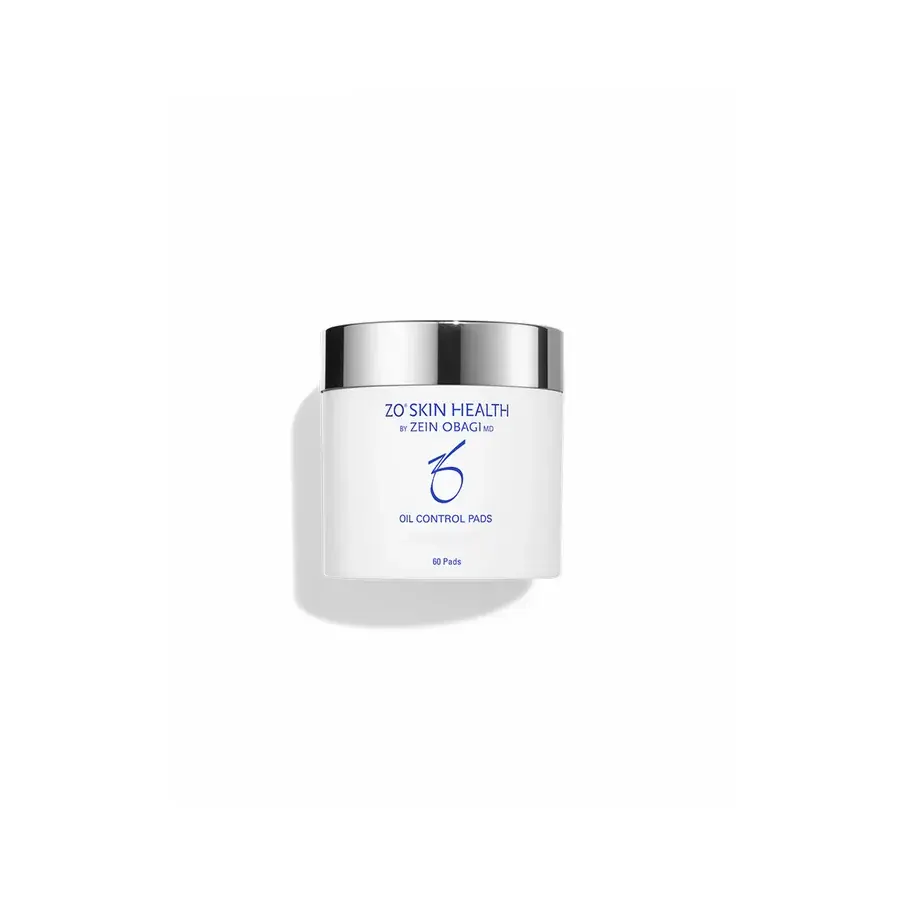
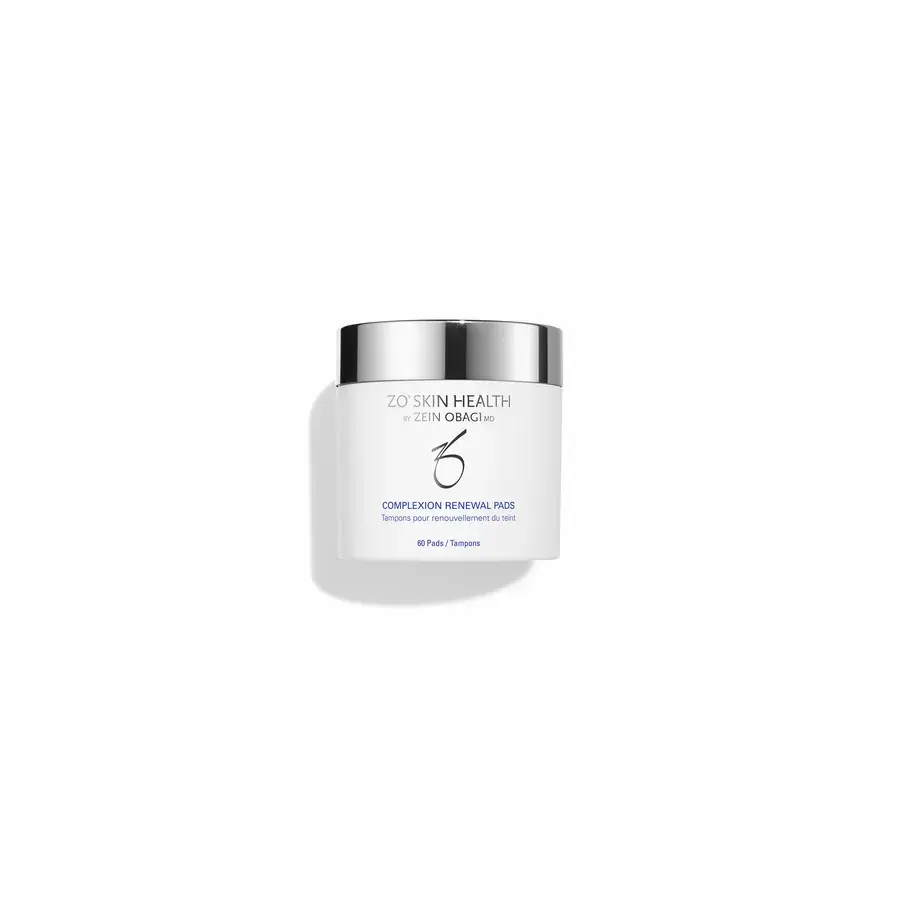
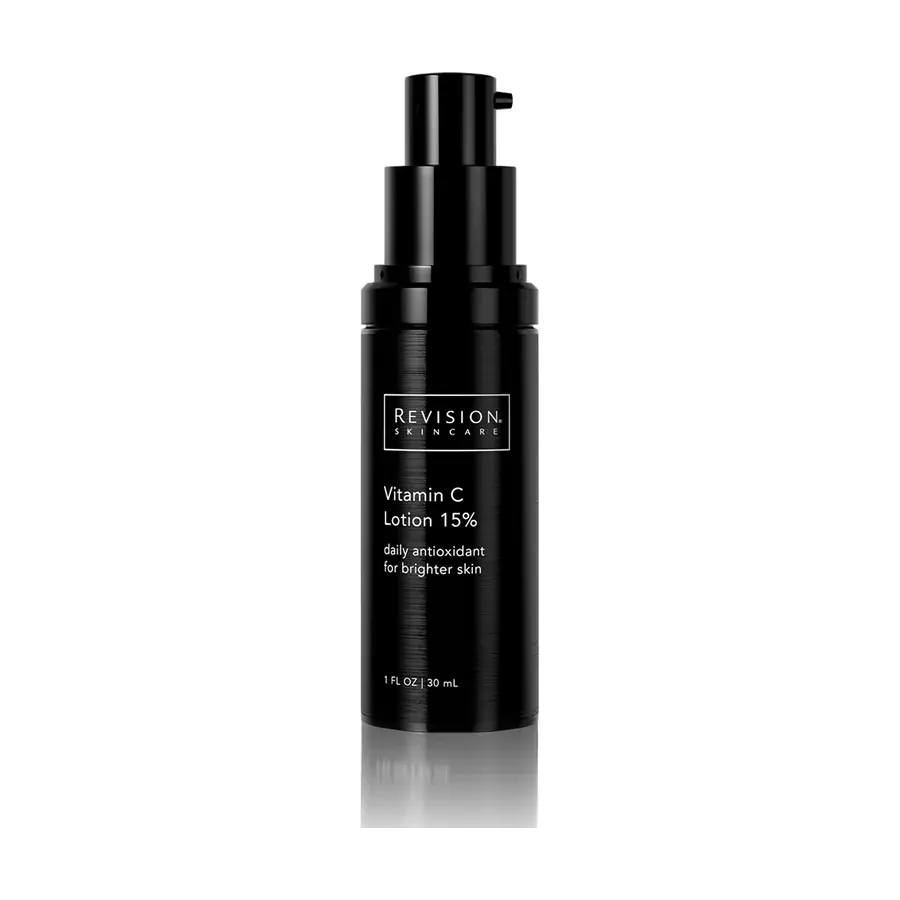
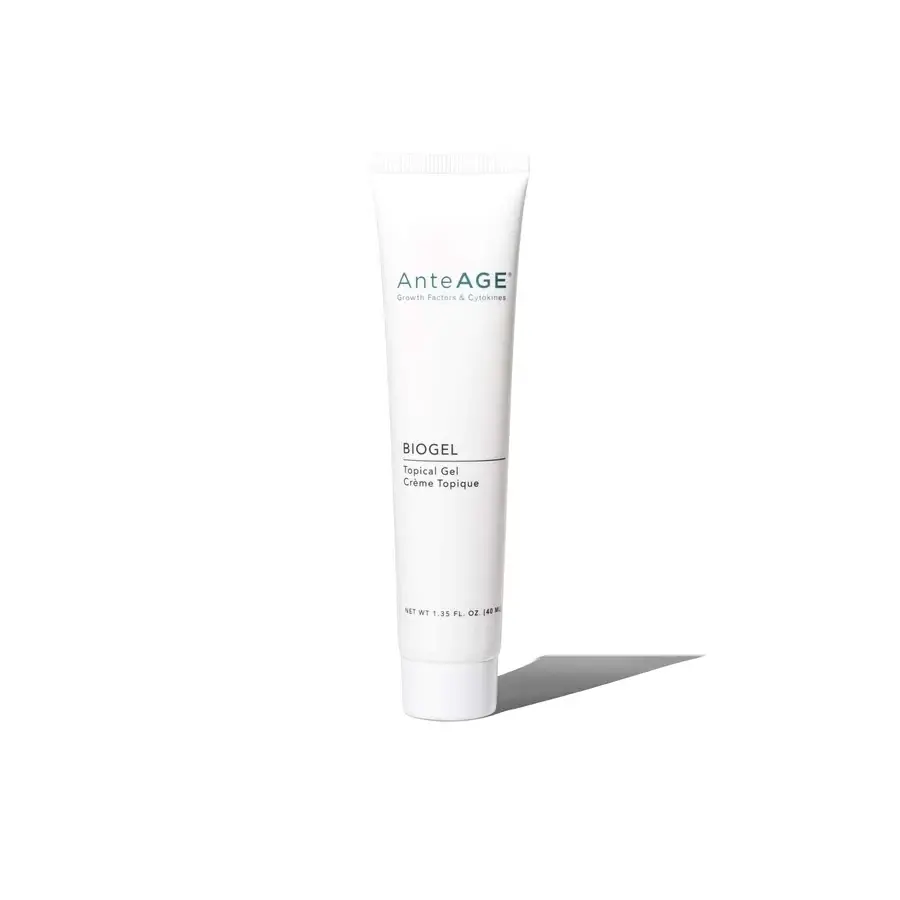
What's actually in your skincare, explained the way I'd explain it in clinic, with every product in the shop that contains it.
A
AHAs
Alpha hydroxy acids, including glycolic, lactic and mandelic acid
Exfoliating acids that help skin look smoother, brighter and more even.
What it does
AHAs loosen the bonds that hold dull, dead cells on the surface of your skin, so they shed more easily. That helps skin look smoother and brighter, and over time can soften the look of rough texture and uneven tone. Glycolic acid is the smallest and usually the strongest, lactic acid is gentler and more hydrating, and mandelic acid is a larger molecule that tends to suit more sensitive skin.
How to use it
Use in the evening after cleansing, two or three times a week to start, and build up only if your skin stays comfortable. Follow with a hydrating serum or moisturiser, keep them on different nights from retinol at first, and wear SPF every morning.
Be careful
AHAs can make skin more sensitive to the sun and can sting if overused, so patch-test first and start slowly.
Good for
Dull skin
Rough texture
Uneven tone
Tanisha saysI'd much rather you use a gentle acid regularly than a strong one that leaves your skin sore. If you're new to acids, lactic acid is usually where I start people.
A quiet, soothing helper that keeps skin feeling soft and comfortable.
What it does
Allantoin helps skin feel calmer and softer, and it supports the natural shedding of rough, dry patches. You'll often see it in cleansers and serums alongside stronger actives, where it helps keep the skin comfortable while they work.
How to use it
There's nothing special to do: it's usually one of several ingredients in a product, and it's gentle enough for morning and evening. It sits happily alongside acids, retinol and hydrators.
Good for
Sensitive skin
Dry, rough patches
Skin that feels tight
Tanisha saysAllantoin won't be the star of a formula, but I'm always pleased to see it in a product with acids or retinol. It's one of the reasons a good formula feels kinder on the skin.
Including vitamins C and E, resveratrol and green tea
Daytime defenders that help skin cope with sun, pollution and everyday stress.
What it does
Sunlight, pollution and smoke create unstable molecules called free radicals, which can damage skin over time and add to the look of dullness, lines and uneven tone. Antioxidants help neutralise them before they cause trouble. Many products blend several antioxidants together, because they tend to work better as a team.
How to use it
An antioxidant serum works best in the morning, under your moisturiser and SPF. Think of it as a second layer of defence: it supports your sunscreen but never replaces it.
Good for
Dull skin
City living
Early signs of ageing
Uneven tone
Tanisha saysIf I could add just one serum to a basic routine, it would usually be an antioxidant in the morning. Paired with a daily SPF, it's the simplest way to look after your skin for the long term.
Including alpha-arbutin, from bearberry and other plants
A gentle brightener that helps even out the look of dark spots.
What it does
Arbutin helps slow the skin's production of melanin, the pigment behind dark spots and patches. With steady use, marks can look softer and your overall tone more even. It's often paired with other brighteners, such as kojic acid or liquorice, so they can work on pigment in different ways.
How to use it
Use once or twice a day after cleansing, under your moisturiser. Daily SPF is essential, or new pigment will simply keep appearing.
Be careful
Patch-test first if your skin is sensitive, and give it a few months, as pigment fades slowly.
Good for
Dark spots
Uneven tone
Marks left by old breakouts
Tanisha saysWith pigment, patience and sun protection do most of the work. I'd rather you use a gentle brightener every day for months than chase fast results with something harsh.
A plant extract that works along similar lines to retinol, with less fuss.
What it does
Bakuchiol isn't a retinoid, but it can help skin look smoother and more even in a similar way. It tends to cause less dryness and flaking, so it's a popular choice for sensitive skin or for anyone who'd rather go without retinol. You'll also find it alongside retinol, where it helps keep skin comfortable.
How to use it
Use once or twice a day after cleansing, under your moisturiser. It's gentle enough to start nightly, and SPF in the morning is still important.
Be careful
Several products pair bakuchiol with retinol, so read the full label if you're avoiding retinoids, for example while pregnant or breastfeeding.
Good for
Fine lines
Uneven tone
Sensitive skin
Retinol-free routines
Tanisha saysBakuchiol is a lovely option if retinol has upset your skin before. I'll be honest, though: if your skin tolerates retinol, I still see retinol as the stronger choice.
The pore-clearing acid for oily, congested and breakout-prone skin.
What it does
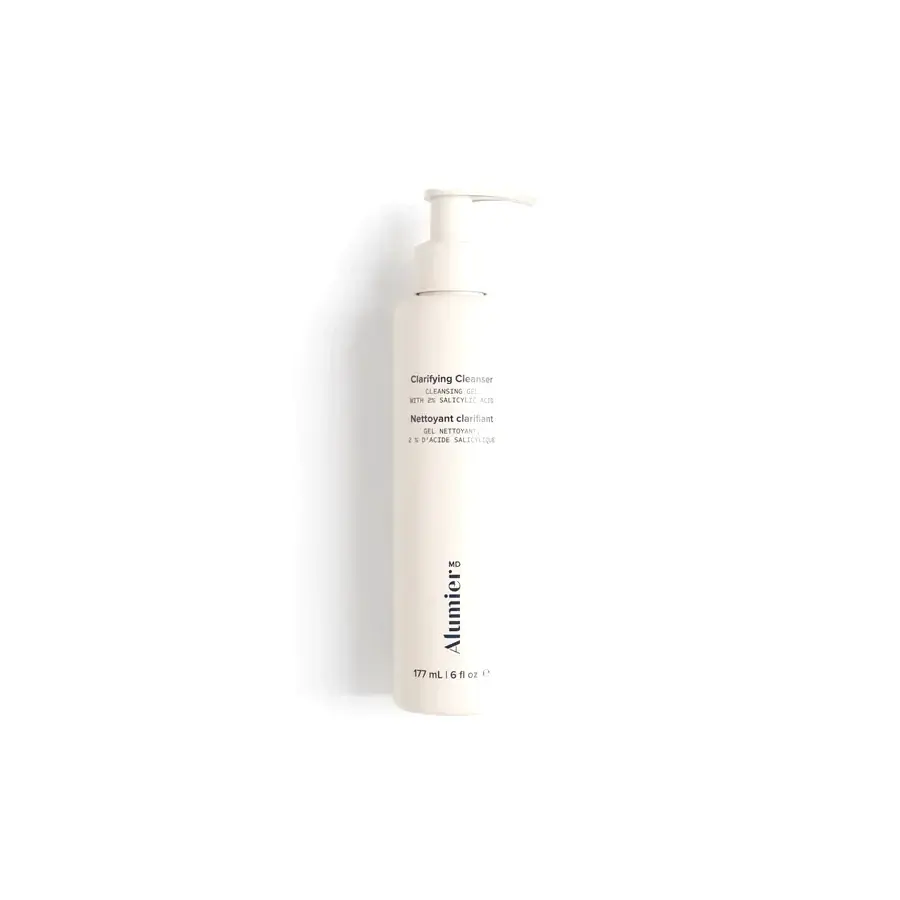
Salicylic acid dissolves in oil, so unlike most acids it can work its way into pores and help clear the oil and dead cells that block them. That helps reduce the look of blackheads, congestion and breakouts. It also has a gentle calming effect, which is why it suits spot-prone skin so well.
How to use it
Start with a cleanser or serum once a day, then build to twice a day if your skin stays comfortable. Follow with a light moisturiser, and wear SPF every morning.
Be careful
Salicylic acid is related to aspirin, so avoid it if you're allergic to aspirin. Patch-test first, and if you are pregnant or breastfeeding, mention it at your free consultation.
Good for
Oily skin
Blackheads
Breakouts
Enlarged-looking pores
Tanisha saysOne salicylic product is usually plenty. Using a BHA cleanser, toner, serum and mask all at once is how oily skin ends up dry, sore and still breaking out.
The fats that hold your skin barrier together and keep moisture in.
What it does
Ceramides occur naturally in your skin and make up a large part of its barrier, the outer layer that keeps moisture in and irritants out. When skin is low on them, it can feel dry, tight and easily upset. Skincare with ceramides helps top them up, often alongside cholesterol and fatty acids, which work together as a set.
How to use it
Ceramides are usually in cleansers and moisturisers, so use them morning and evening as part of your normal routine. They pair well with hyaluronic acid, niacinamide and retinol.
Good for
Dry skin
Sensitive skin
A stressed or over-exfoliated barrier
Skin that feels tight
Tanisha saysWhen skin has become reactive from too many actives, I strip the routine right back and lean on ceramides. A calm, comfortable barrier helps everything else you use work better.
Fruit enzymes such as papain (papaya), bromelain (pineapple) and pumpkin
Gentle exfoliators that lift away dullness without scrubbing.
What it does
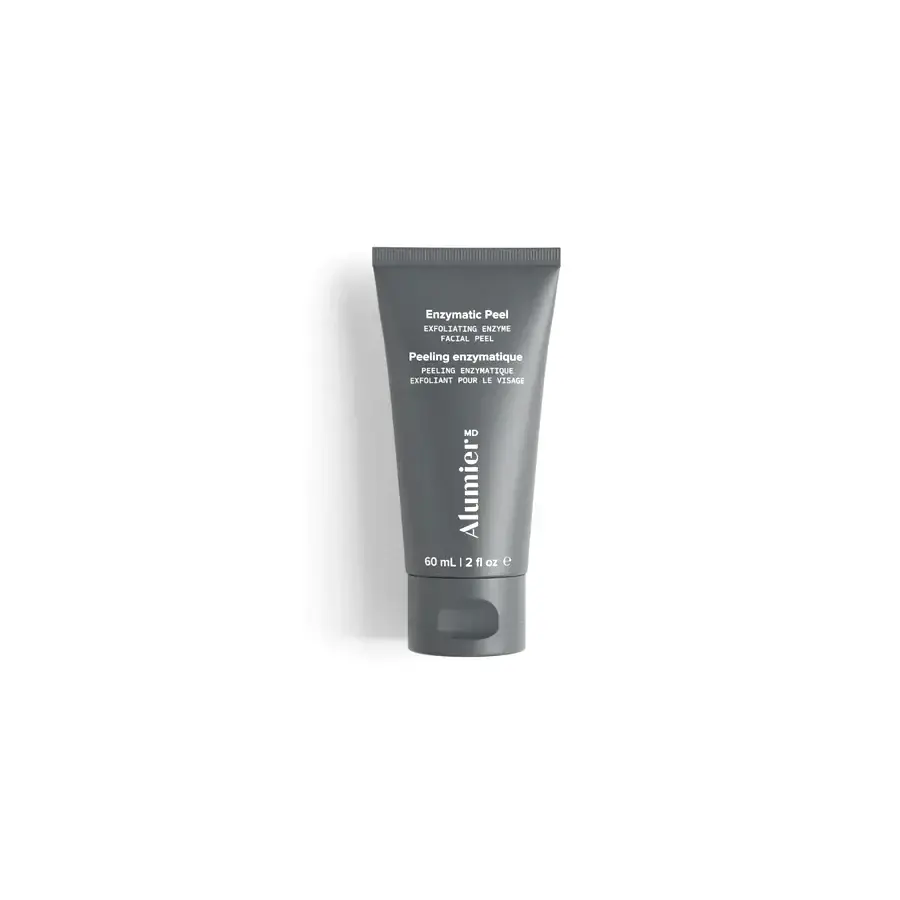
Fruit enzymes break down the proteins that hold dead cells on the surface of your skin, so they lift away without any scrubbing. That leaves skin looking smoother and brighter. They tend to work more softly than acids, which makes them a good choice for skin that doesn't get on with stronger exfoliants.
How to use it
Use an enzyme mask or peel once or twice a week after cleansing, or a gentle enzyme cleanser daily. Skip retinol and other exfoliants on the same evening, and wear SPF every morning.
Be careful
Many enzyme products also contain acids, so check the label, and patch-test first if your skin is sensitive or you have fruit allergies.
Good for
Dull skin
Rough texture
Sensitive skin that dislikes acids
Tanisha saysEnzymes are my go-to when someone's skin stings with acids. Follow each product's timing exactly, as leaving it on longer won't give you a better result.
Tiny carrier bubbles, inspired by the way cells talk to each other, that help a formula reach the upper layers of skin.
What it does
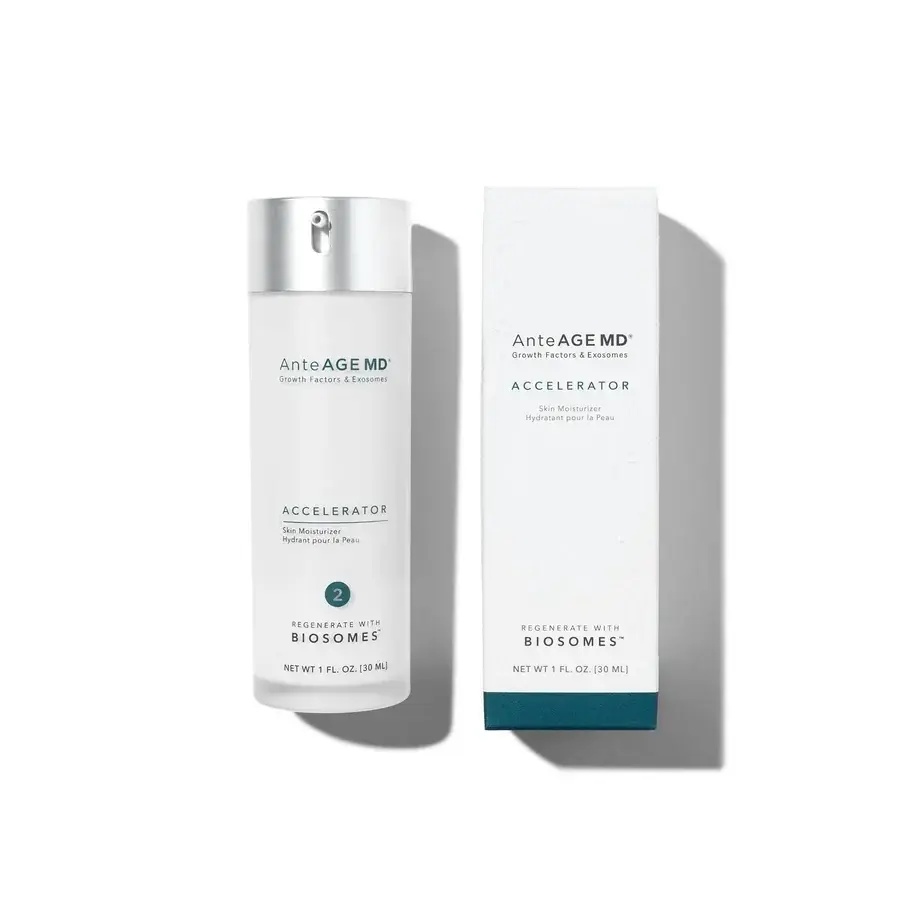
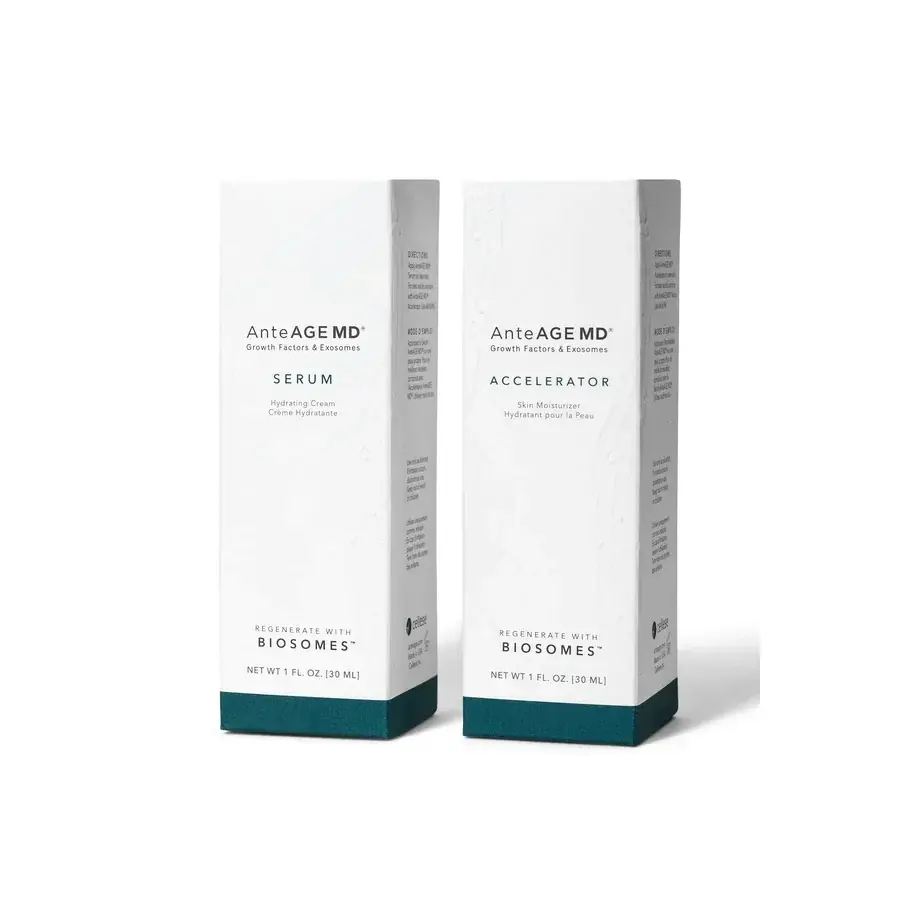
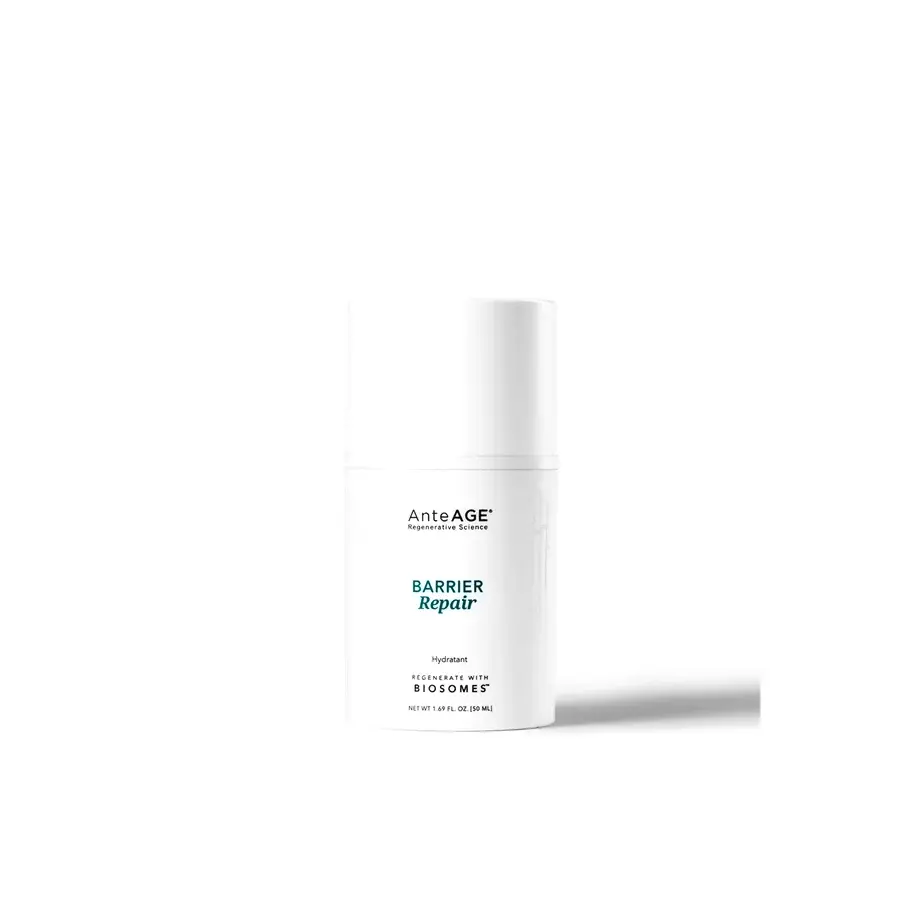
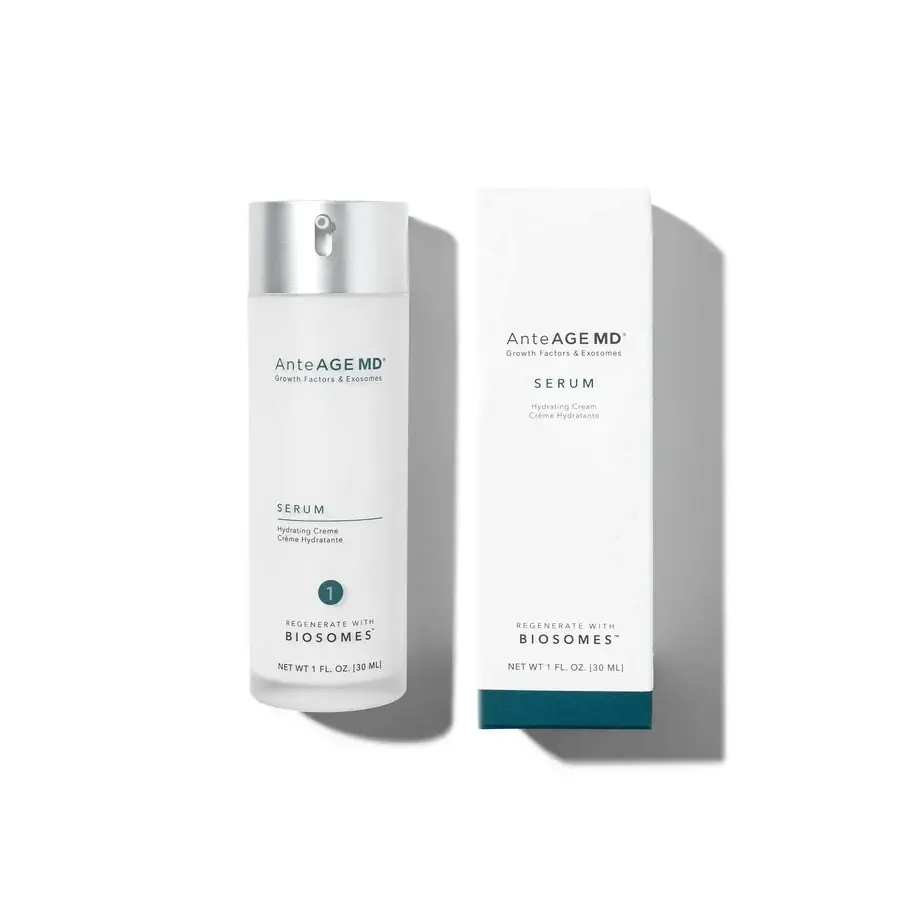
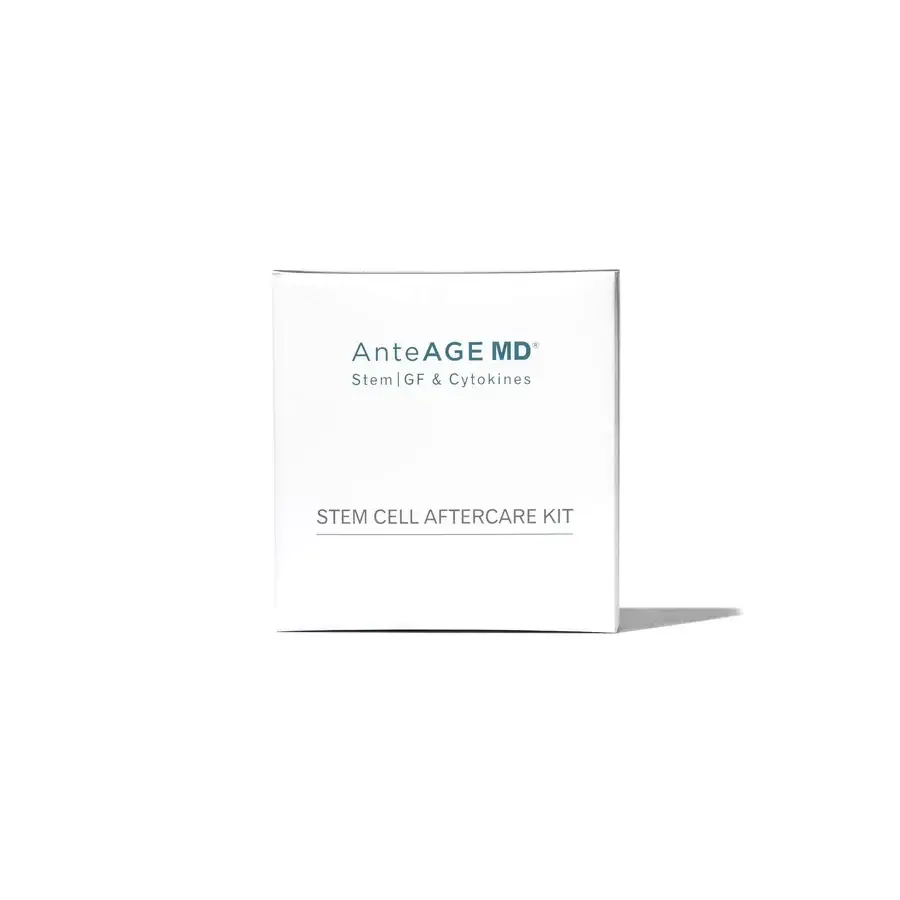
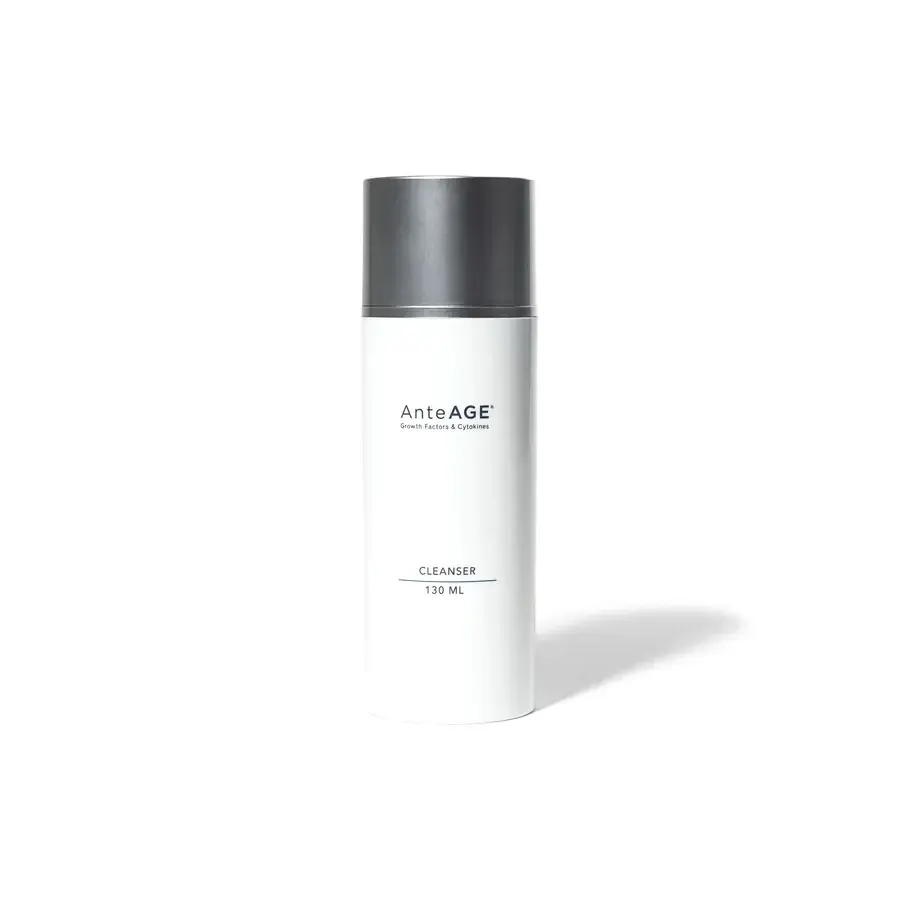
Exosomes are tiny bubbles that cells release to carry messages to their neighbours. In skincare, the name covers a range of lab-made and plant-based versions. AnteAGE's Biosomes are exosome-inspired vesicles made without human cells, used to help carry the rest of the formula into the upper layers of your skin.
How to use it
Apply to clean skin morning and evening, before moisturiser and SPF. They often come as part of a step-by-step system, so follow the order the brand gives.
Be careful
This is a newer area of skincare and the research is still developing, so see them as a supporting step rather than a replacement for SPF and good basics.
Good for
Tired-looking skin
Fine lines
Loss of firmness
The weeks around clinic treatments
Tanisha saysExosome is a word you'll see on a lot of labels now, and it doesn't always mean the same thing. I always look at what's actually in the bottle and how it's made, not just the name on the front.
A tropical fern extract that adds antioxidant support to sun protection.
What it does
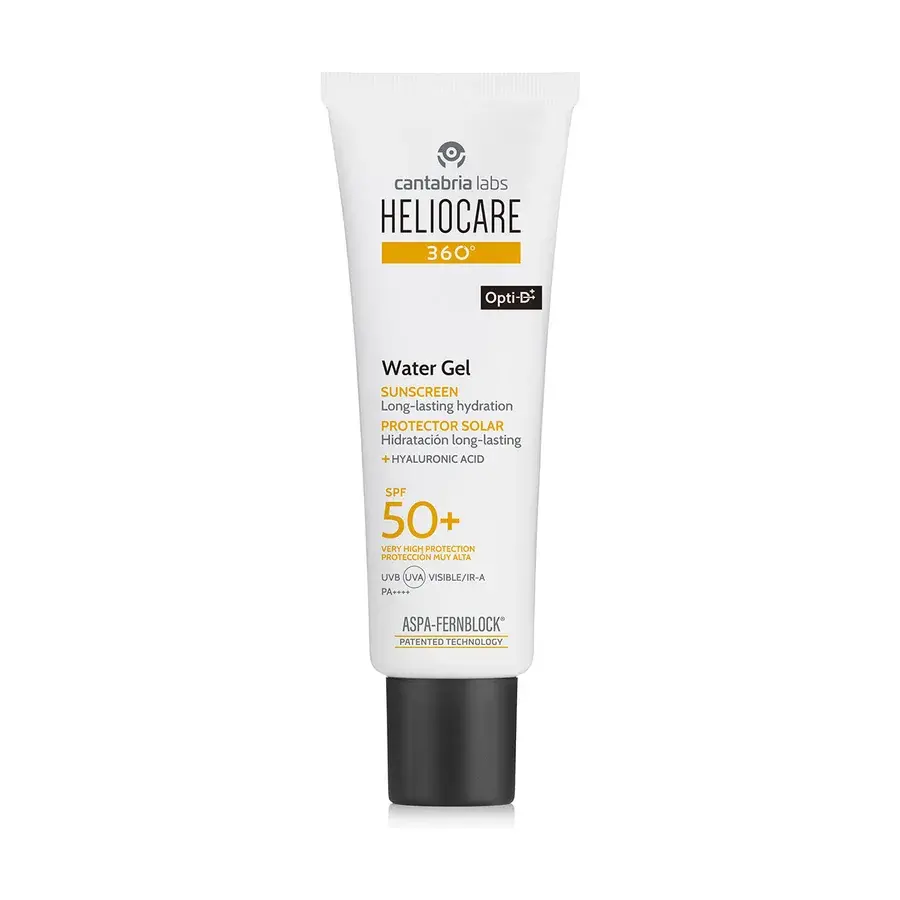
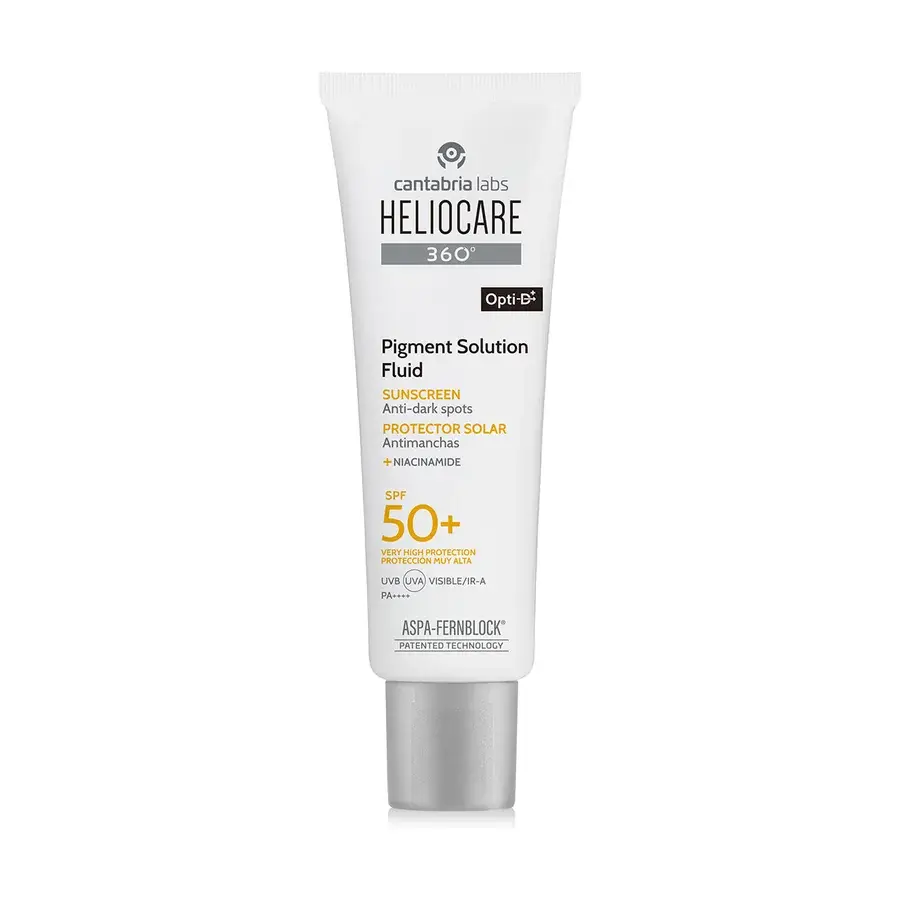
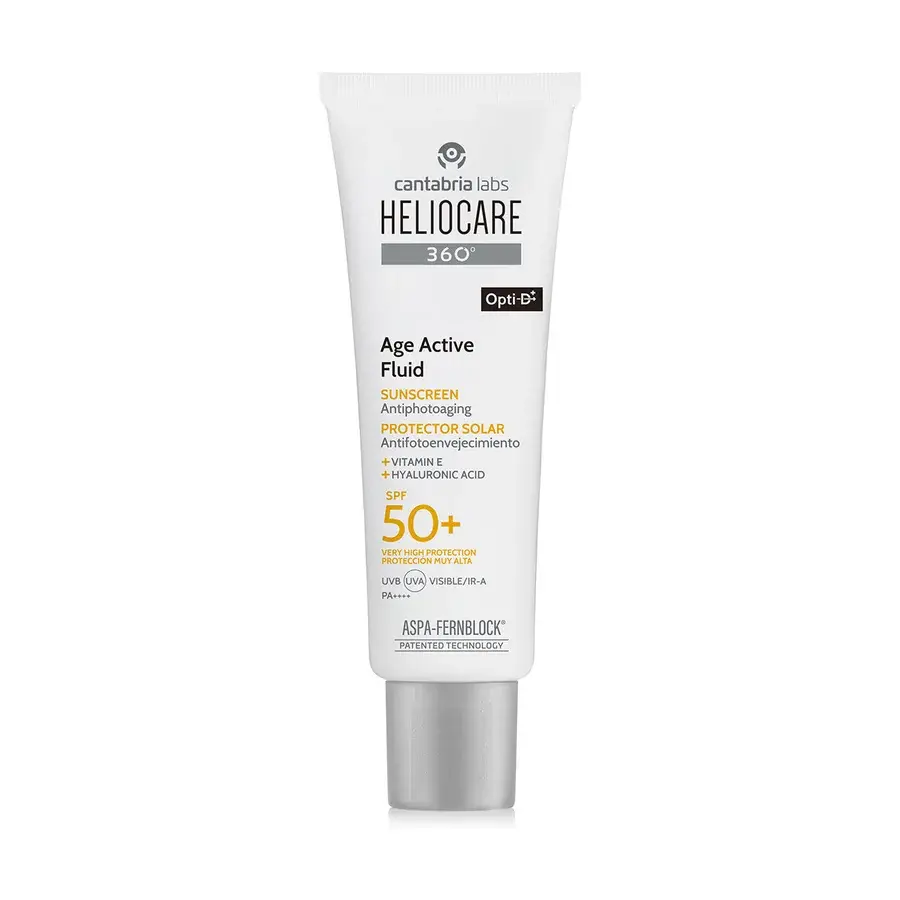
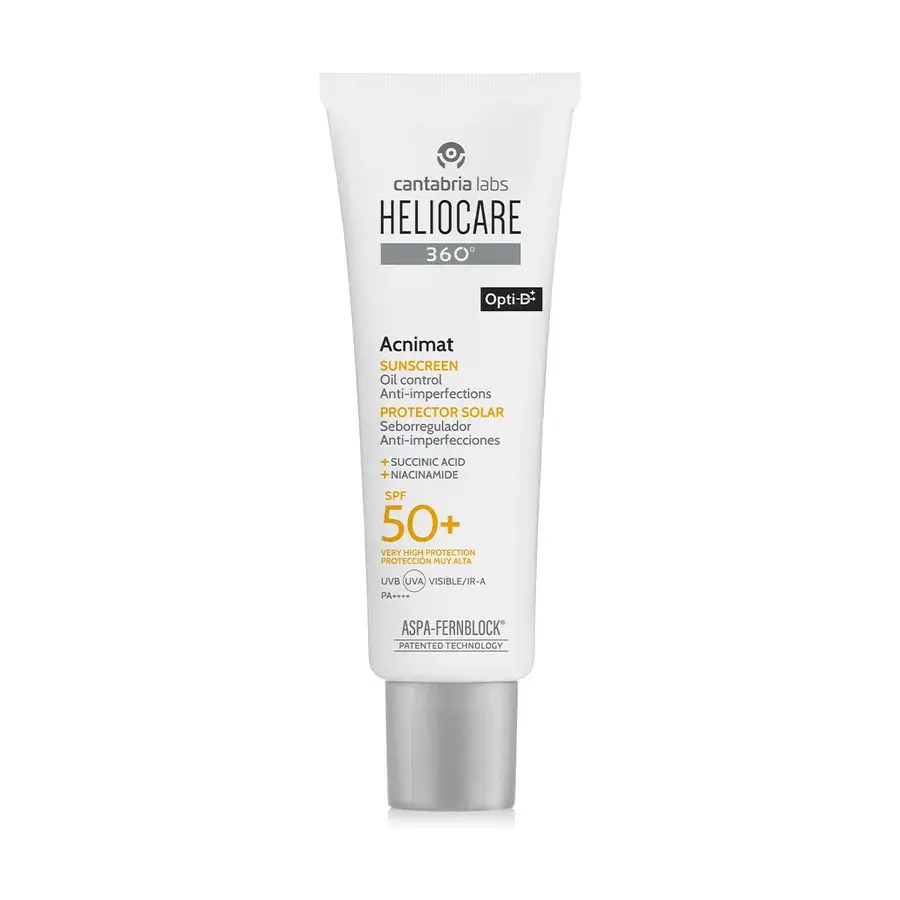
Fernblock comes from a fern native to Central and South America and is rich in natural antioxidants. In sunscreen, it works alongside the UV filters to help skin defend itself against the stress that sun exposure creates. It's the signature ingredient across the Heliocare range.
How to use it
You'll find it in Heliocare sunscreens, so apply generously as the last step of your morning routine. Reapply every two hours when you're outdoors, and after swimming or sweating.
Be careful
Fernblock adds support but isn't a sun filter on its own, so you still need to apply SPF generously and reapply it when you're outside.
Good for
Daily sun protection
Sensitive skin
Pigment-prone skin
Outdoor lifestyles
Tanisha saysThe best sunscreen is the one you'll happily wear every single day. I like Heliocare because there's a texture for almost every skin type, from oily to very dry.
A simple, reliable hydrator that draws water into the skin.
What it does
Glycerin is a humectant, which means it attracts water and holds it in the outer layers of your skin. It's one of the most widely used ingredients in skincare because it works well, suits almost everyone and helps support the skin's barrier. It's in so many products that you're probably already using it.
How to use it
There's nothing to plan: glycerin turns up in cleansers, serums and moisturisers you can use morning and evening. It works best when a moisturiser seals it in.
Good for
Dehydrated skin
Dry skin
Sensitive skin
All skin types
Tanisha saysGlycerin isn't exciting, but I'd always choose a formula that does the basics well over one with a long list of fashionable extras. It's quietly doing a lot of the work in many good moisturisers.
Including human-comparable, plant-derived and lab-made growth factors
Messenger proteins, used in skincare to help skin look firmer, smoother and more refreshed.
What it does
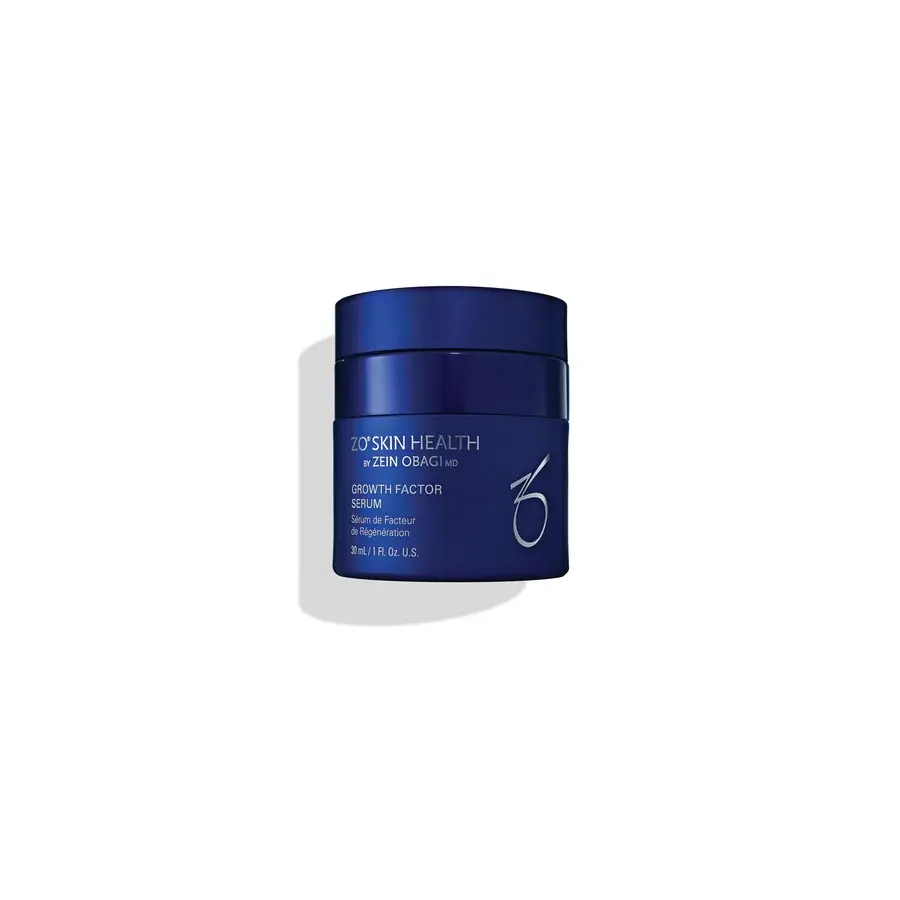
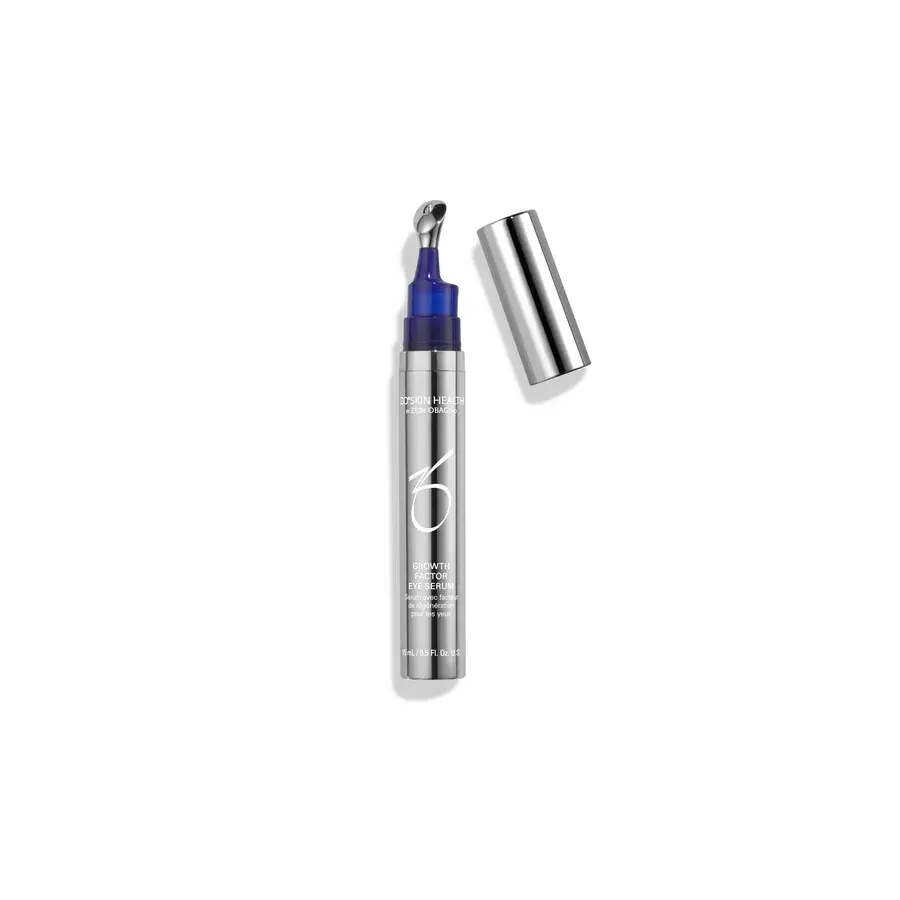
Growth factors are proteins that skin cells use to signal to each other, including messages linked to renewal and collagen. In skincare, they may be lab-made, plant-derived or collected from lab-grown stem cells. Used regularly, they can help skin look firmer and smoother, with a more rested look.
How to use it
Apply a serum to clean skin morning and evening, before moisturiser and SPF. After a professional treatment, follow your practitioner's aftercare advice on when to start.
Be careful
Use them on intact skin unless your practitioner has given you a product made specifically for aftercare.
Good for
Fine lines
Loss of firmness
Tired-looking skin
Skin after clinic treatments
Tanisha saysGrowth factors are one of my favourite additions for skin that looks tired or has lost some bounce. They work gradually, so give them a few months of steady use before you judge them.
A water-holding hydrator that helps skin look plumper and feel comfortable.
What it does
Hyaluronic acid is a sugar molecule your skin makes naturally, and it's very good at holding on to water. In skincare, it draws moisture into the outer layers, so skin looks plumper and fine, dry lines look softer. Many formulas combine more than one size of molecule, so it hydrates at different depths of the upper skin.
How to use it
Apply to slightly damp skin morning and evening, then follow with a moisturiser to seal the water in. It pairs well with almost everything, including vitamin C, retinol and acids.
Good for
Dehydrated skin
Dry skin
Oily skin that feels tight
Fine, dry lines
Tanisha saysHyaluronic acid is my answer for skin that's oily but still feels tight, because it hydrates without adding oil. Dehydrated and dry aren't the same thing, and HA is brilliant for the first.
A gentle, skin-neutral mist that helps skin feel clean, calm and comfortable.
What it does
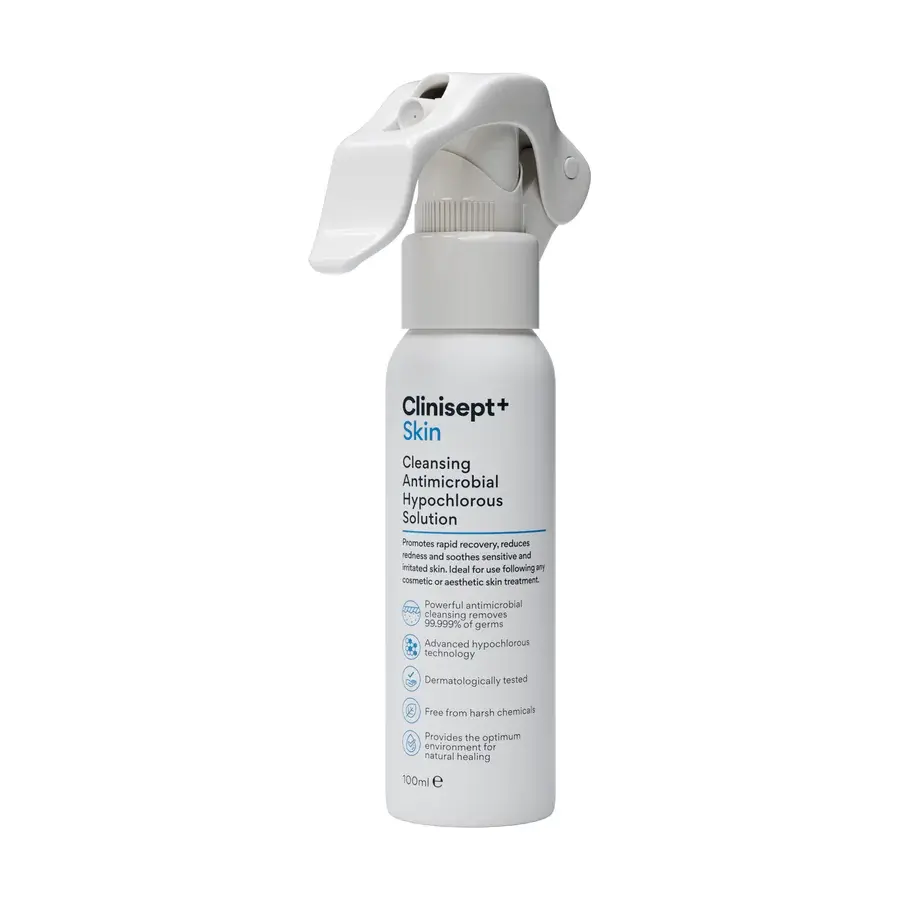
Hypochlorous acid is something your own body makes as part of its natural defences. In skincare, it's diluted in water to make a gentle, skin-neutral mist that helps keep skin clean without stripping it. It's widely used after clinic treatments, and it suits sensitive and blemish-prone skin day to day.
How to use it
Mist over your face after cleansing, morning and evening, and let it dry before your serum. After a treatment, use it as often as your practitioner advises.
Be careful
After a clinic treatment, always follow your practitioner's aftercare instructions over any general advice you read here.
Good for
Sensitive skin
Blemish-prone skin
Skin after clinic treatments
Tanisha saysIt's so gentle that it's one of the few products I'm happy to suggest to almost anyone. If your skin is reactive, it's an easy first step to add.
A brightener from fermentation that helps fade the look of dark spots.
What it does
Kojic acid comes from fungi used to ferment foods such as rice. Like arbutin, it helps slow the production of melanin, so dark spots and patches can look lighter and your tone more even. Kojic dipalmitate is a more stable form you'll see in some creams.
How to use it
Use once or twice a day after cleansing, under moisturiser, and wear SPF every morning. It works well alongside arbutin, liquorice and vitamin C.
Be careful
Kojic acid can irritate some skin, so patch-test first and build up slowly.
Good for
Dark spots
Uneven tone
Marks left by old breakouts
Dullness
Tanisha saysI like kojic acid as part of a team rather than on its own. Brighteners that work in slightly different ways tend to give a more even result together.
Gentle sun filters that suit sensitive skin and help protect against UVA and UVB.
What it does
Zinc oxide and titanium dioxide are mineral filters that sit on the surface of your skin and help protect it from UV rays. They're very gentle, which is why they're often chosen for sensitive skin, redness-prone skin and skin after clinic treatments. Modern formulas are far lighter and less chalky than older mineral sunscreens, and some add a tint to blend in.
How to use it
Apply generously as the last step of your morning routine, then reapply every two hours when you're outdoors and after swimming or sweating. A tinted version can help avoid a white cast on deeper skin tones.
Be careful
Use enough, because a thin layer gives much less protection than the number on the bottle suggests.
Good for
Sensitive skin
Redness-prone skin
Skin after clinic treatments
Daily sun protection
Tanisha saysIf your skin reacts to most sunscreens, try a mineral one before you give up on SPF. Switching filters often solves the problem.
A calming all-rounder that helps with oiliness, redness and the look of pores.
What it does
Niacinamide is a form of vitamin B3 that helps strengthen the skin's barrier, so it holds on to moisture and copes better with irritation. It can also help balance oiliness, calm the look of redness, refine the look of pores and even out tone. It's gentle and works well with almost every other ingredient, which is why you'll find it in so many formulas.
How to use it
Use it morning, evening or both, in a serum, moisturiser or SPF. It pairs well with retinol, acids, vitamin C and hyaluronic acid.
Be careful
A few people find that stronger niacinamide products make their skin flush or tingle, so if that happens, switch to a gentler one.
Good for
Oily skin
Redness
Enlarged-looking pores
Uneven tone
Tanisha saysNiacinamide is one of the ingredients I'm happiest to see in a routine, because it helps so many skin types and rarely causes trouble. You don't need a very high strength for it to be useful.
A soothing hydrator that helps skin feel soft, comforted and less tight.
What it does
Panthenol is a form of vitamin B5 that your skin converts into pantothenic acid. It helps skin hold on to moisture and supports the barrier, so skin feels softer and more comfortable. It's often added to products with stronger active ingredients to help keep skin calm.
How to use it
It's usually one ingredient among many, so simply use the product as directed, morning or evening. It pairs well with acids, retinol and hyaluronic acid.
Good for
Dry skin
Sensitive skin
Skin that feels tight
Routines with strong actives
Tanisha saysWhen I see panthenol in an exfoliating serum, I know the formula has been made with comfort in mind. It's a small detail that makes a real difference to how a product feels.
Short chains of amino acids that help skin look firmer and smoother.
What it does
Peptides are short chains of amino acids, the building blocks of proteins such as collagen. Different peptides do different jobs: some send signals that support firmness, some help soften the look of expression lines, and others help with hydration or puffiness. They're gentle, which makes them a good choice for sensitive skin that can't take much retinol.
How to use it
Use a peptide serum or cream morning and evening after cleansing, before your moisturiser. They pair well with almost everything, including retinol, niacinamide and hyaluronic acid.
Good for
Fine lines
Loss of firmness
Sensitive skin
The eye area
Tanisha saysPeptides are a steady, gentle option rather than a quick fix. I often suggest them for the eye area, where stronger actives can be too much.
The gentlest acid exfoliators, for skin that finds AHAs too much.
What it does
PHAs work like AHAs, loosening dull surface cells so skin looks smoother and brighter. Their molecules are larger, so they work more slowly at the surface and are less likely to sting. They also attract water, so they help hydrate while they exfoliate.
How to use it
You'll often find PHAs in cleansers and gentle serums, so you can use them daily if your skin stays comfortable. They're a kind way to add a little exfoliation to a sensitive routine, with SPF every morning.
Be careful
They're gentle, but they're still acids, so patch-test first.
Good for
Sensitive skin
Dull skin
Rough texture
First-time acid users
Tanisha saysIf AHAs have made your skin sting, PHAs are a good place to start again. A cleanser with a PHA is the simplest way to try one.
A slightly faster-acting form of vitamin A for smoother, more even-looking skin.
What it does
Retinal is a form of vitamin A that sits one step closer than retinol to the form your skin can actually use. That means it tends to work a little faster and can feel a little stronger. Used regularly, it helps skin look smoother and more even, softens the look of fine lines and helps keep pores clear.
How to use it
Use in the evening on clean, dry skin, starting every other night or less and building up slowly, then follow with moisturiser. Wear SPF every morning, and keep exfoliating acids for different nights.
Be careful
Patch-test first, expect a little dryness while your skin adjusts, and if you are pregnant, trying for a baby or breastfeeding, put retinoids aside.
Good for
Fine lines
Uneven tone
Rough texture
Blemish-prone skin
Tanisha saysRetinal is a good next step if you've used retinol happily for a while and want a little more. If you've never used vitamin A, I'd usually start you on a gentle retinol first.
The best-known vitamin A ingredient for smoother, clearer, more even-looking skin.
What it does
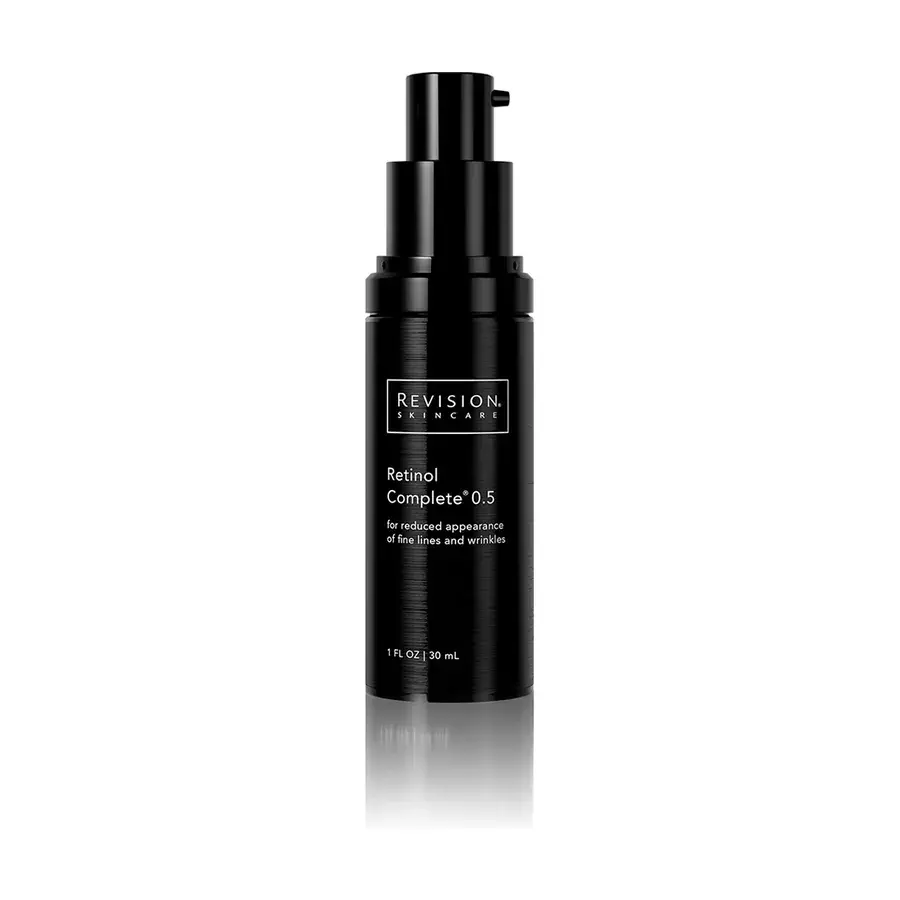
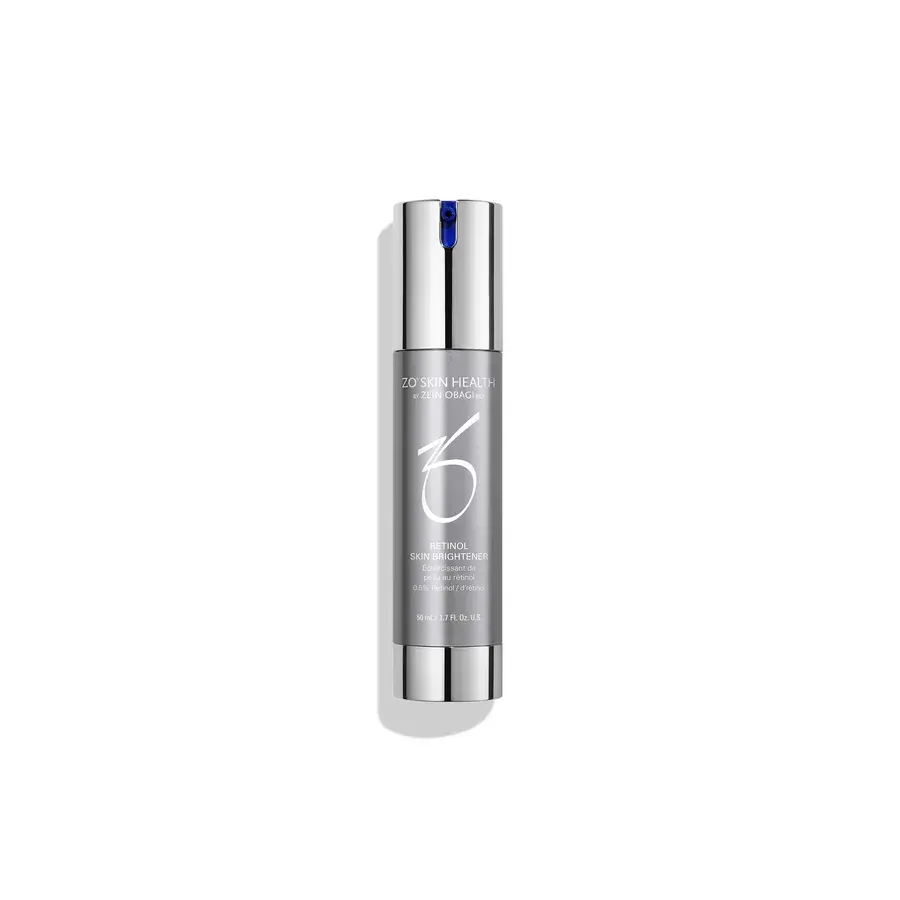
Retinol is a form of vitamin A that your skin converts, in two steps, into the form it can use. Over time it encourages skin to renew itself, so it looks smoother and more even, with softer-looking lines and clearer pores. It works gradually, so give it about three months before you decide whether it suits you.
How to use it
Use a pea-sized amount for the whole face in the evening, starting two evenings a week and building up slowly if your skin stays comfortable. Follow with moisturiser, and wear SPF every morning.
Be careful
Patch-test first, expect a little dryness or flaking at the start, and if you are pregnant, trying for a baby or breastfeeding, put retinoids aside.
Good for
Fine lines
Rough texture
Uneven tone
Blocked pores
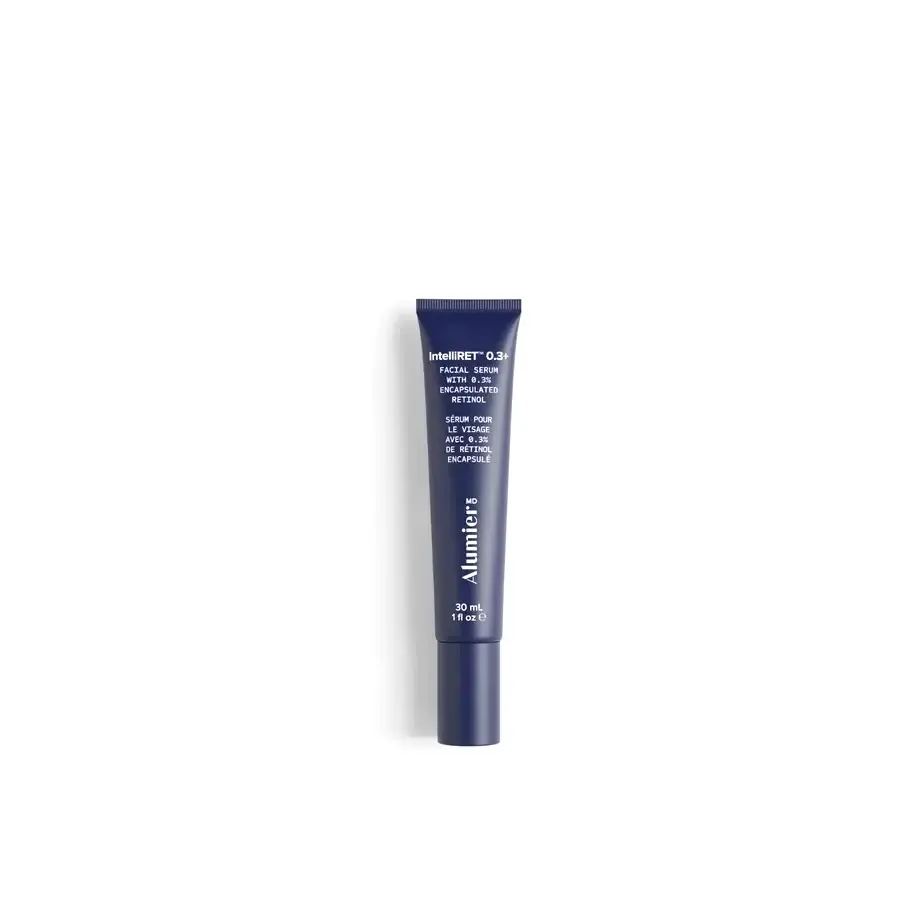
Tanisha saysA gentle retinol you use steadily will do more for you than a strong one that leaves your skin sore. Encapsulated, slow-release formulas are often the easiest way to start.
A light, skin-friendly oil that softens without feeling greasy.
What it does
Squalane is a stable version of squalene, an oil your skin makes naturally. It helps soften and smooth the skin and reduces moisture loss, without a heavy or greasy feel. Because it's so light, it suits most skin types, including combination skin.
How to use it
You'll usually find it in moisturisers and serums, so use it morning and evening as part of your routine. It's a comforting partner for retinol and exfoliating acids.
Good for
Dry skin
Dehydrated skin
Combination skin
Skin using retinol
Tanisha saysSqualane is a lovely choice if you want moisture but dislike the feel of heavy creams. It's one of the ingredients I look for in a moisturiser to pair with retinol.
A gentle brightener that helps even out stubborn patches and dark spots.
What it does
Tranexamic acid helps calm some of the signals that trigger extra pigment, especially after sun exposure or irritation. With regular use, it can help dark spots and patchy areas look lighter and your tone more even. It's gentle, so it often suits skin that can't tolerate stronger brighteners.
How to use it
Use morning and evening after cleansing, under your moisturiser. It pairs well with niacinamide and vitamin C, and daily SPF is essential.
Be careful
Pigment can return quickly with sun exposure, so it only works as part of a routine with a daily broad-spectrum SPF.
Good for
Dark spots
Patchy pigment
Uneven tone
Sensitive skin
Tanisha saysTranexamic acid is one of my favourite brighteners for skin that's sensitive as well as pigment-prone. Patchy pigment usually needs months rather than weeks, so steady use matters.
L-ascorbic acid, and gentler forms such as THD ascorbate
A morning antioxidant that helps skin look brighter and more even.
What it does
Vitamin C is an antioxidant that helps defend skin against everyday stress from sun and pollution, and it helps dull skin look brighter and more even. It also plays a part in making collagen, so over time skin can look firmer. L-ascorbic acid is the pure, most direct form, while derivatives such as THD ascorbate are gentler and more stable.
How to use it
Apply in the morning after cleansing, then follow with moisturiser and SPF, as the two work well together. Keep the lid on tight and store it away from heat and light so it stays fresh.
Be careful
Pure L-ascorbic acid can tingle or sting on sensitive skin, so patch-test first or choose a gentler form.
Good for
Dull skin
Uneven tone
Early signs of ageing
City living
Tanisha saysI prefer vitamin C in the morning and retinol in the evening, which keeps things simple and comfortable for most skin. If pure vitamin C has stung you before, a THD ascorbate formula is often much kinder.
A nourishing antioxidant that softens skin and supports vitamin C.
What it does
Vitamin E is an oil-soluble antioxidant that helps protect the fats in your skin's barrier from everyday environmental stress. It also softens and conditions, helping dry skin feel more comfortable. It works especially well with vitamin C, as the two help each other stay effective.
How to use it
You'll usually find it alongside vitamin C or in moisturisers and sunscreens, so simply use it as part of your normal routine. It's especially useful in the morning, under or within your SPF.
Be careful
Rich formulas with lots of vitamin E can feel heavy on very oily or breakout-prone skin, so choose lighter textures if that's you.
Good for
Dry skin
Early signs of ageing
Daily antioxidant support
Tanisha saysVitamin E is rarely the headline ingredient, but I like seeing it next to vitamin C. They're a classic pairing for good reason.