
Why every day, even here
If I could keep only one step in anyone's routine, it would be SPF.
Daylight reaches your skin on cloudy days and through windows, all year round. Over time, that daily exposure plays a big part in dark spots, uneven tone, lines and a loss of firmness. A daily SPF also protects the good work your other products are doing, especially retinol, vitamin C and exfoliating acids.
Look for broad-spectrum protection, which covers both UVA and UVB, and choose SPF 30 or higher.
Find your texture
The usual reason people stop wearing SPF is how it feels: greasy, sticky or chalky. The answer is a different texture, not giving up.
Oily or blemish-prone skin: try an oil-free gel with a matte finish. Heliocare 360° Gel Oil-Free sinks in quickly and won't clog pores. AlumierMD Clear Shield SPF 30 is a mineral option that helps absorb excess oil.
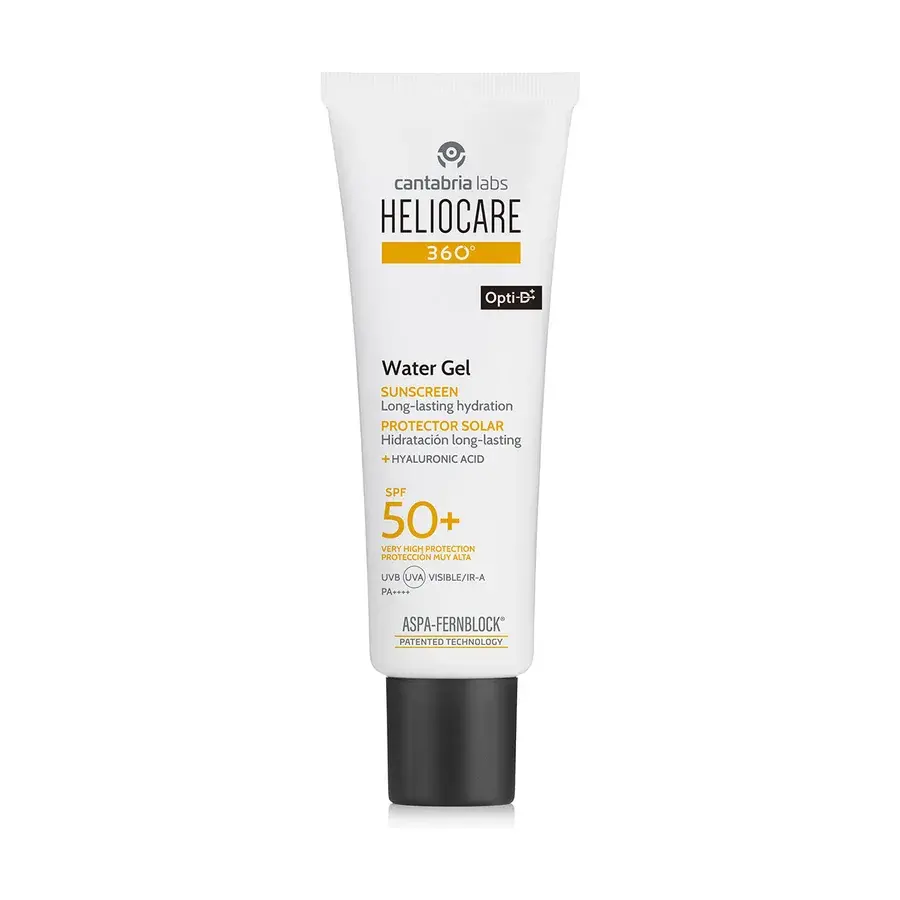
Dry or dehydrated skin: Heliocare 360° Water Gel feels fresh on the skin and contains hyaluronic acid to help it feel hydrated through the day.
Sensitive or reactive skin: Heliocare 360° Mineral Tolerance Fluid is fragrance-free and uses mineral filters only.
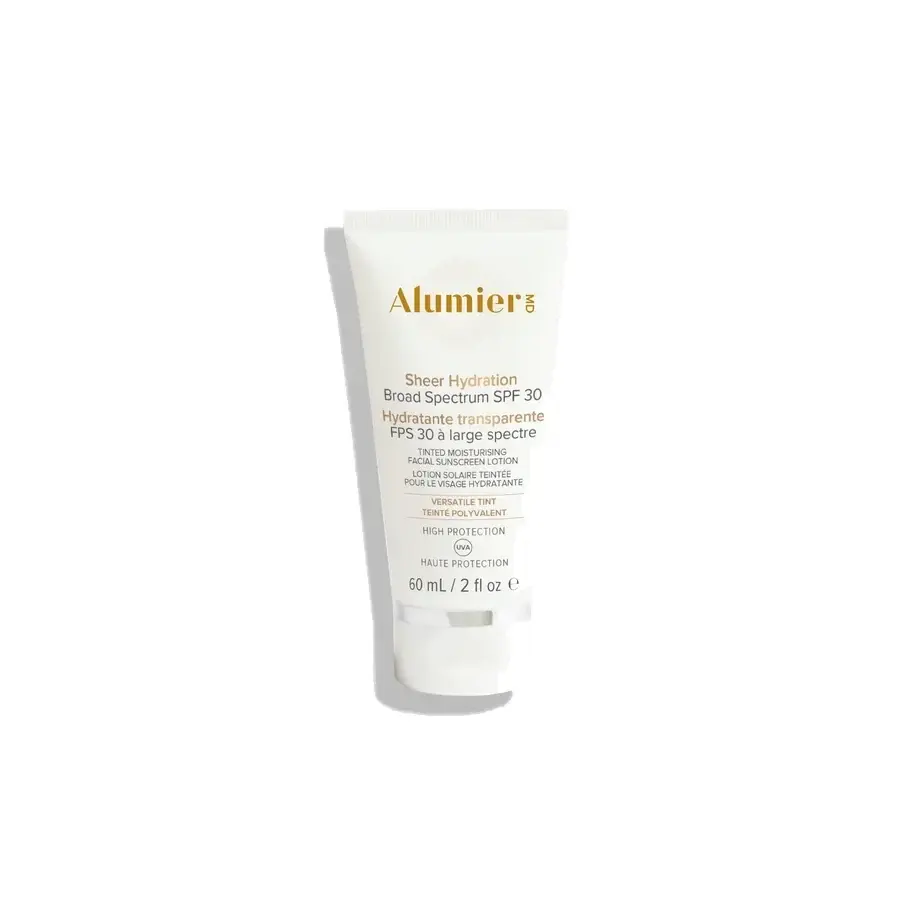
Want a little coverage? A tinted SPF can stand in for a light base. AlumierMD Sheer Hydration SPF 30 Versatile Tint suits light to medium skin tones, and ZO Smart Tone SPF 50 has a tint that adjusts to blend into most skin tones. The AlumierMD sunscreens also come in a travel size, which is a handy way to try a texture before you commit to a full bottle.
 Tanisha's tipJudge an SPF after a full day of wearing it, not the first minute. How it feels at four in the afternoon tells you far more than how it feels at nine.
Mineral or chemical filters?
Mineral sunscreens use zinc oxide and titanium dioxide. Others use what are often called chemical filters. Both protect your skin well when you use enough.
Mineral formulas are often the more comfortable choice for sensitive skin and in the days after a clinic treatment. Chemical filters tend to feel lighter and are easier to wear without any white cast. Neither is better for everyone, so choose the one you'll wear.
How to apply it properly
SPF is the last step of your morning skincare, after moisturiser and before make-up. Be generous: a good guide for the face and neck is two finger-lengths of product. Don't forget your ears, the back of your neck and your chest.
If you're outdoors, reapply every two hours, and after swimming, sweating or towelling. A stick or a powder SPF makes top-ups easy when you're out and wearing make-up.
Still not sure which texture is right for you? Send us a message on WhatsApp with your skin type and what you've disliked about sunscreens before, and we'll suggest one or two to try.
Tanisha's tipKeep your SPF next to your toothbrush. If it's the last thing you see before you leave the house, you won't forget it.