
What vitamin C does
Vitamin C is one of the ingredients I'd happily put in almost anyone's morning routine. It's an antioxidant, which means it helps protect your skin from the everyday stress of pollution and daylight. Used regularly, it also helps skin look brighter and more even in tone, and can soften the look of fine lines.
It works beautifully with SPF. Your sunscreen does the main job of protecting, and vitamin C adds antioxidant support underneath it.
Not all vitamin C is the same
The form of vitamin C in your product makes a big difference to how it feels on your skin.
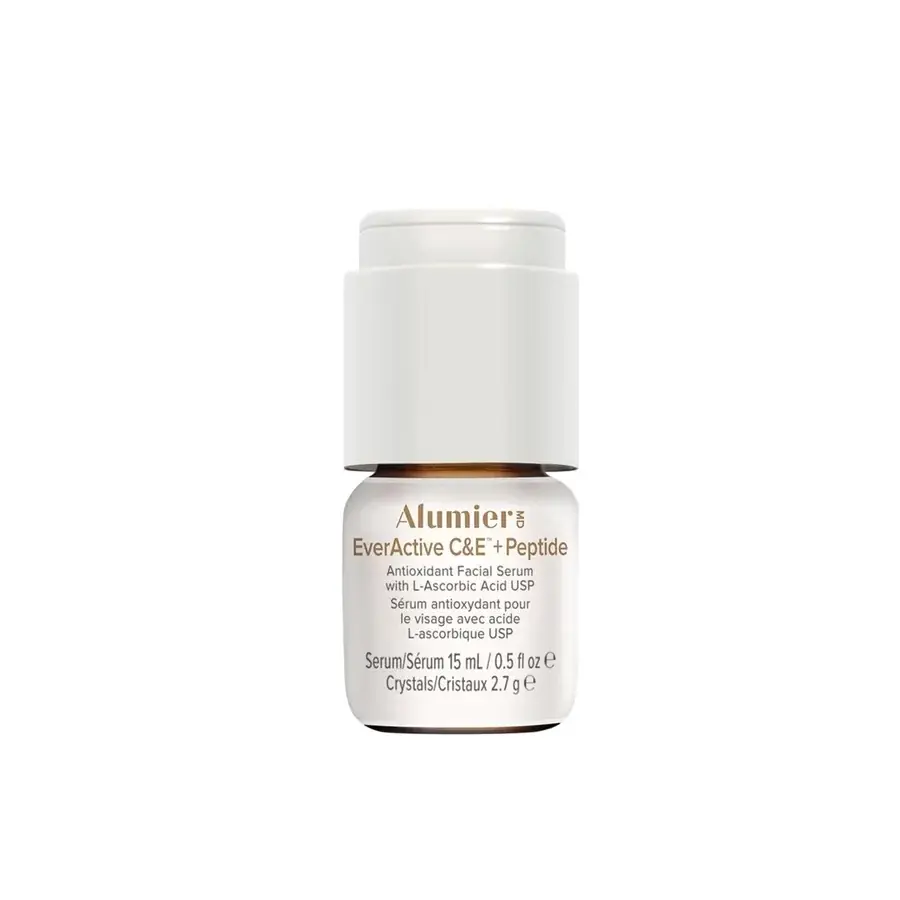
L-ascorbic acid is the pure form. It's powerful, but it's acidic, so it can tingle, and it breaks down quickly once it meets air. AlumierMD EverActive C&E + Peptide gets around this cleverly: the vitamin C crystals are kept separate and mixed into the serum when you start the bottle, which helps keep it fresh. It has 15% L-ascorbic acid with vitamin E and a peptide, and a slight tingle can be normal.
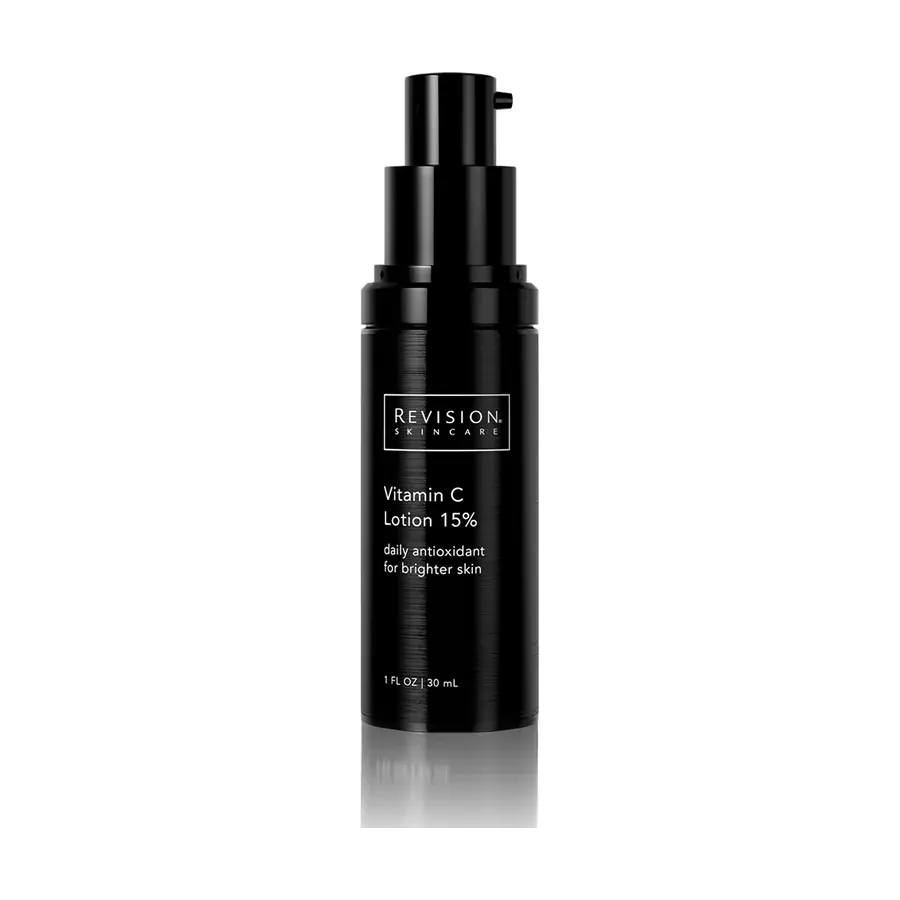
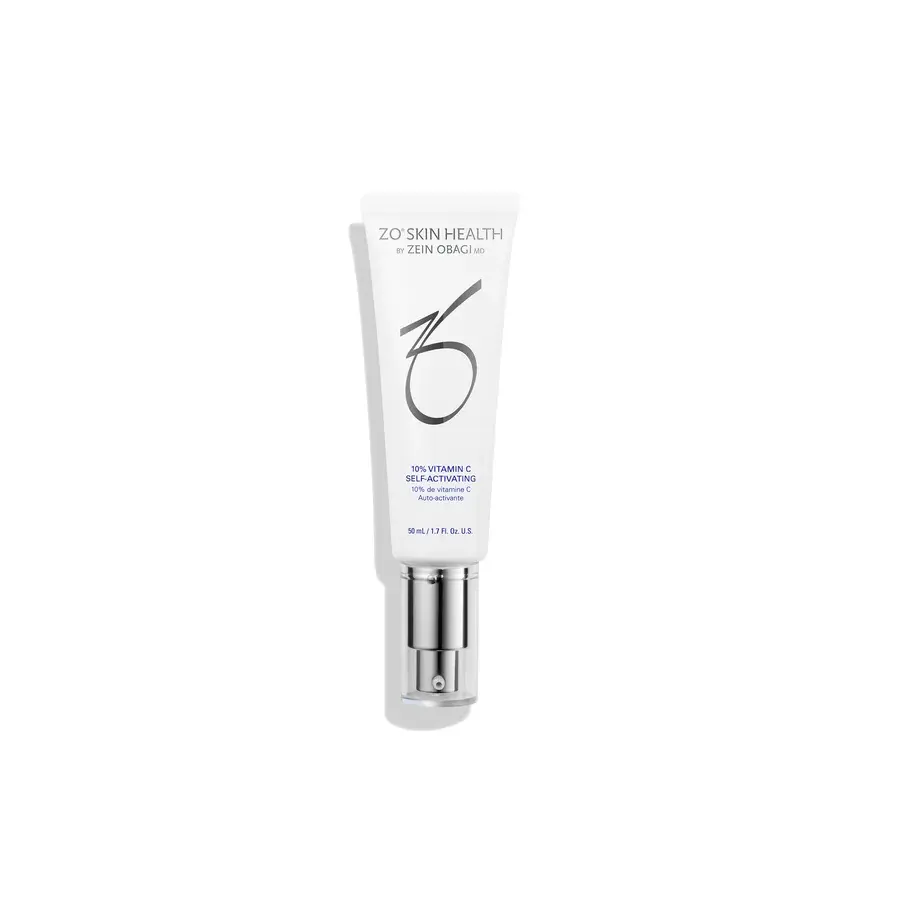
Oil-soluble forms such as THD ascorbate are more stable and usually more comfortable on sensitive skin. Revision Vitamin C Lotion uses THD ascorbate and comes in two strengths, so you can start gently and step up later. ZO Vitamin C Self-Activating 10% combines two forms of vitamin C with squalane for hydration.
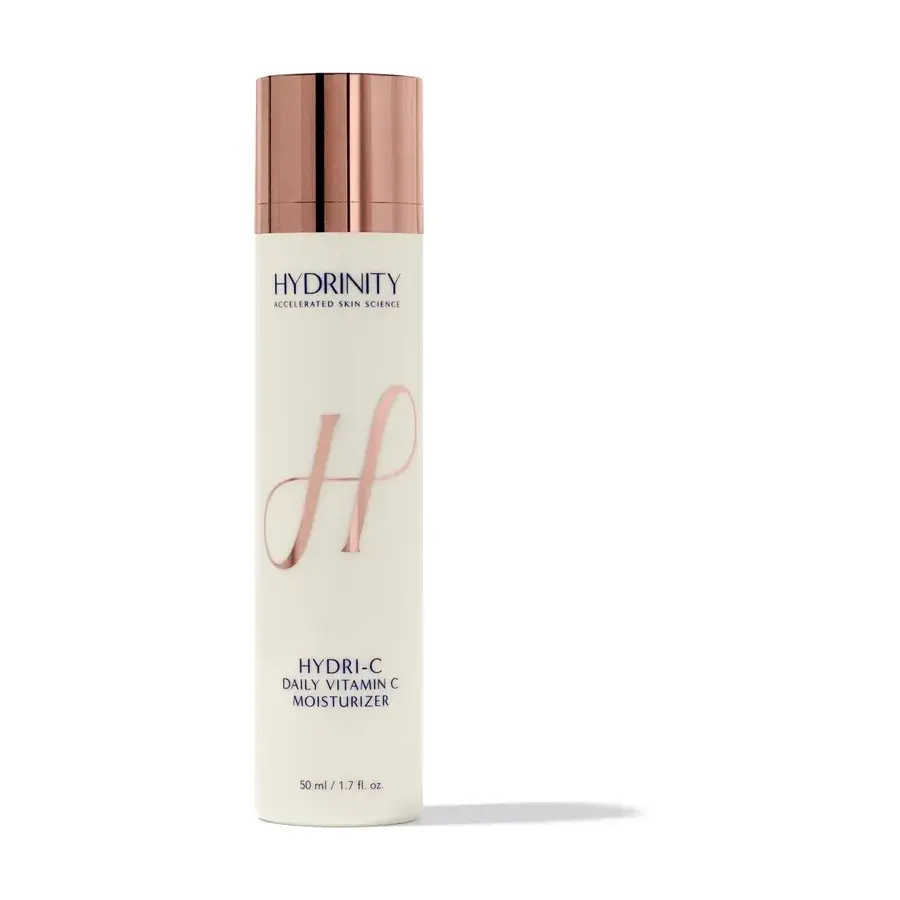
If you'd rather keep your routine short, Hydrinity Hydri-C is a daily moisturiser with oil-soluble vitamin C already in it.
 Tanisha's tipIf vitamin C has upset your skin before, it may have been the form or the strength rather than vitamin C itself. A gentler form is often worth another try.
How to use it without irritation
Patch-test first, especially with pure vitamin C. Try a little on your jawline for a few days before using it all over.
Apply it in the morning to clean, dry skin, then follow with moisturiser and SPF, unless your product's own instructions say otherwise. A few drops is enough for your face, neck and chest. If your skin is sensitive, start every other morning and build up to daily.
Avoid layering it with strong exfoliating acids at the same time, and keep your retinol for the evening.
A little warmth or tingle that fades quickly can be normal with pure vitamin C. Stinging that lasts, redness that spreads or soreness is your cue to stop and ask for advice.
Keep it fresh
Vitamin C doesn't like light, air or heat. Keep the lid on tightly, store it somewhere cool and out of the sun, never on a sunny windowsill, and use it up within the time shown on the pack.
If a pure vitamin C serum turns noticeably darker, orange or brown, it's past its best, and that's your sign to replace it.
Not sure which vitamin C suits your skin? Book a free consultation and one of my skin experts will help you choose. Revision, ZO and Hydrinity are ordered after that chat, so we can check the form and strength are right for you.
Tanisha's tipFinish every vitamin C morning with an SPF you love. If your skin is normal to oily, Heliocare 360° Gel Oil-Free sits on top without feeling heavy.