
What's going on
Your skin's colour comes from melanin, a pigment it makes to help protect itself. Sometimes it makes too much in one place. The result is a dark mark, a freckle that has deepened, or a patch that looks darker than the skin around it.
The usual triggers are years of sun exposure, marks left behind after a spot or a graze, and hormonal changes. Uneven tone is the broader version: skin that looks patchy, a little sallow, or not quite one colour.
Some marks sit near the surface and fade fairly quickly. Others sit deeper and take much longer. That's why two people can follow the same routine and see very different timelines.
What helps
Sun protection comes first, every day, including cloudy days and winter. UV light is the main thing that darkens existing marks and creates new ones, so a good SPF protects everything else you're doing.
After that, a few ingredients are worth knowing. Vitamin C is an antioxidant that helps brighten and even the look of tone. Niacinamide, arbutin, kojic acid and liquorice root help dark spots look less noticeable. Retinol and gentle exfoliating acids such as lactic acid encourage your skin to renew, so marks can fade more evenly.
One habit makes a real difference too: try not to pick or squeeze spots. A picked spot is far more likely to leave a mark that lingers for months.
 Tanisha's tipKeep your SPF where you'll see it every morning, next to your toothbrush if that helps. This routine only works if the sun protection is there every day.
A simple routine to start with
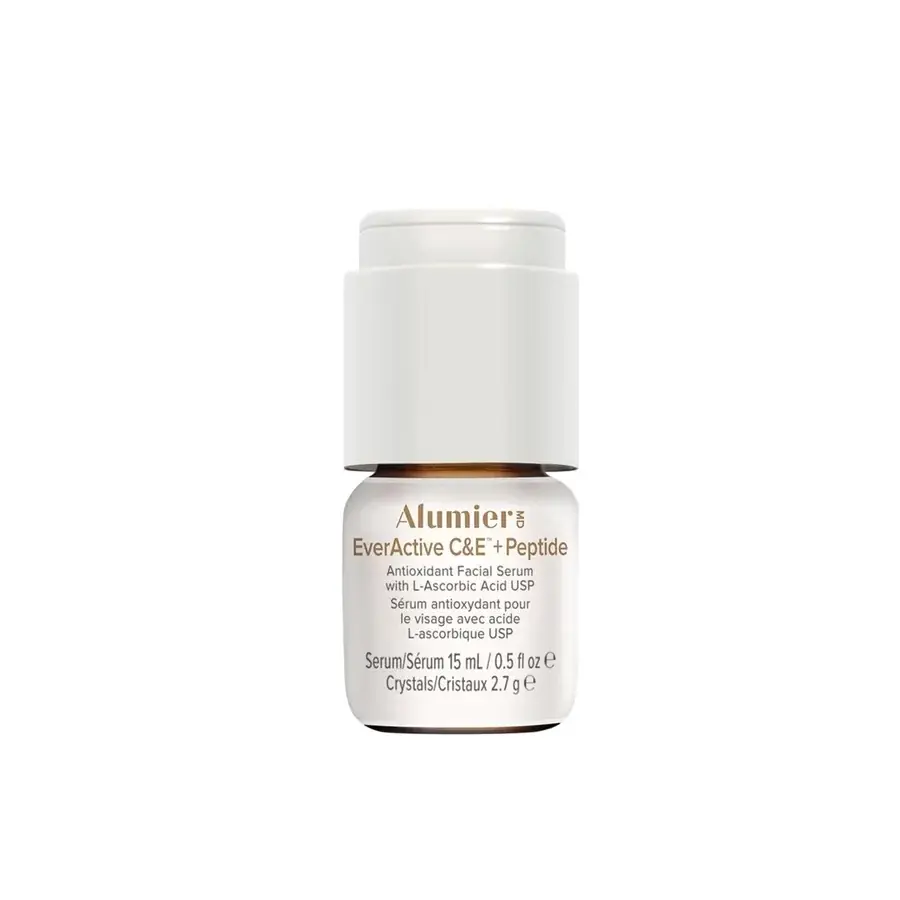
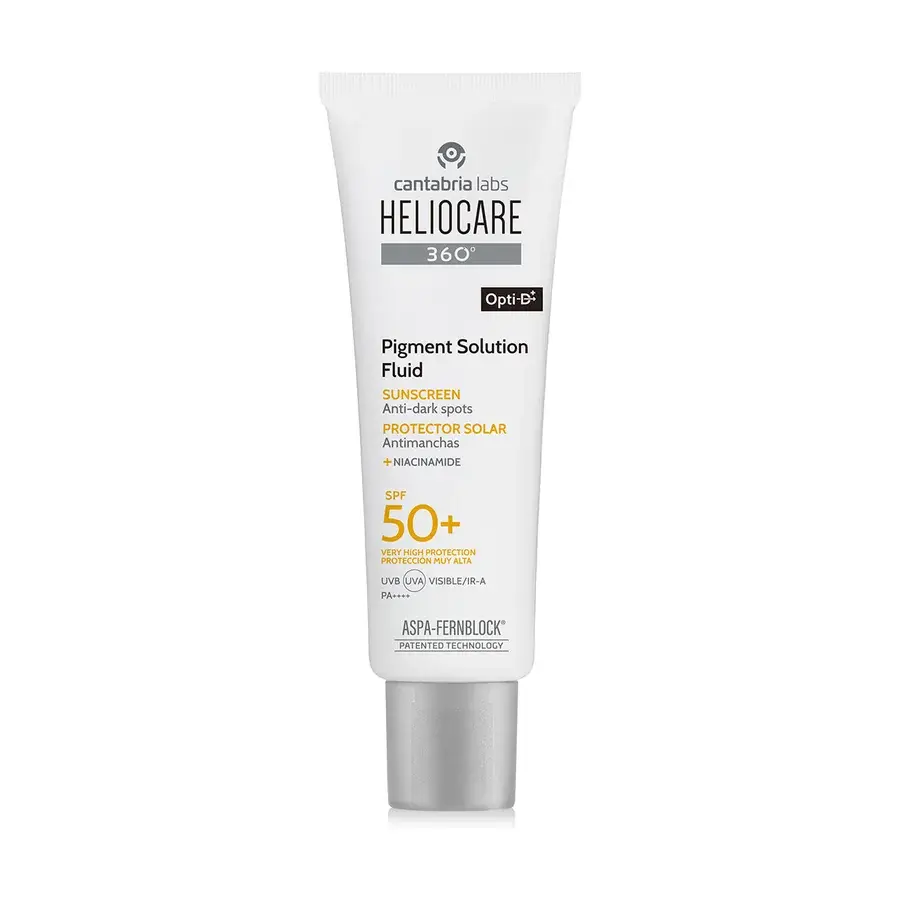
Morning: cleanse, then apply AlumierMD EverActive C&E + Peptide, a 15% vitamin C serum with vitamin E and a peptide. A slight tingle can be normal. Moisturise if you need to, then finish with Heliocare 360° Pigment Solution Fluid SPF50+. It has niacinamide and ellagic acid to help even the look of pigmentation, and a sheer tint that suits lighter to medium skin tones.
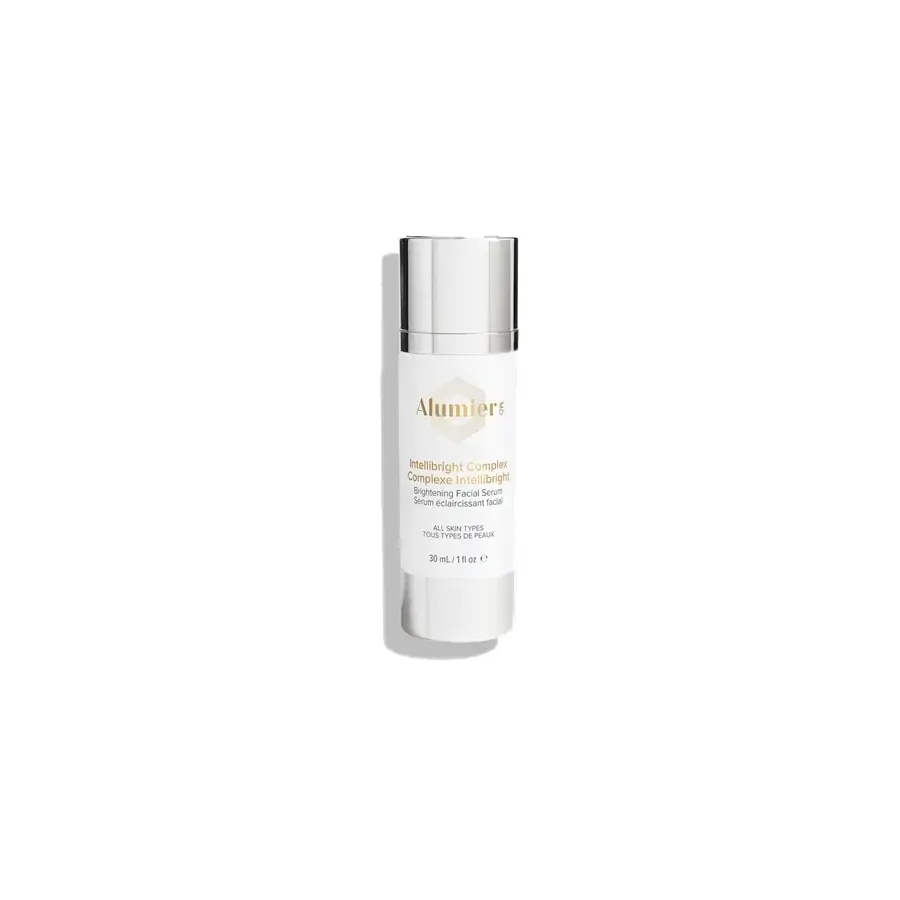
Evening: cleanse, massage in AlumierMD Intellibright Complex, a brightening serum with arbutin, kojic acid, liquorice and pomegranate, then moisturise. Once your skin feels settled, you can swap it for AlumierMD Retinol Resurfacing Serum 0.25 on two or three evenings a week.
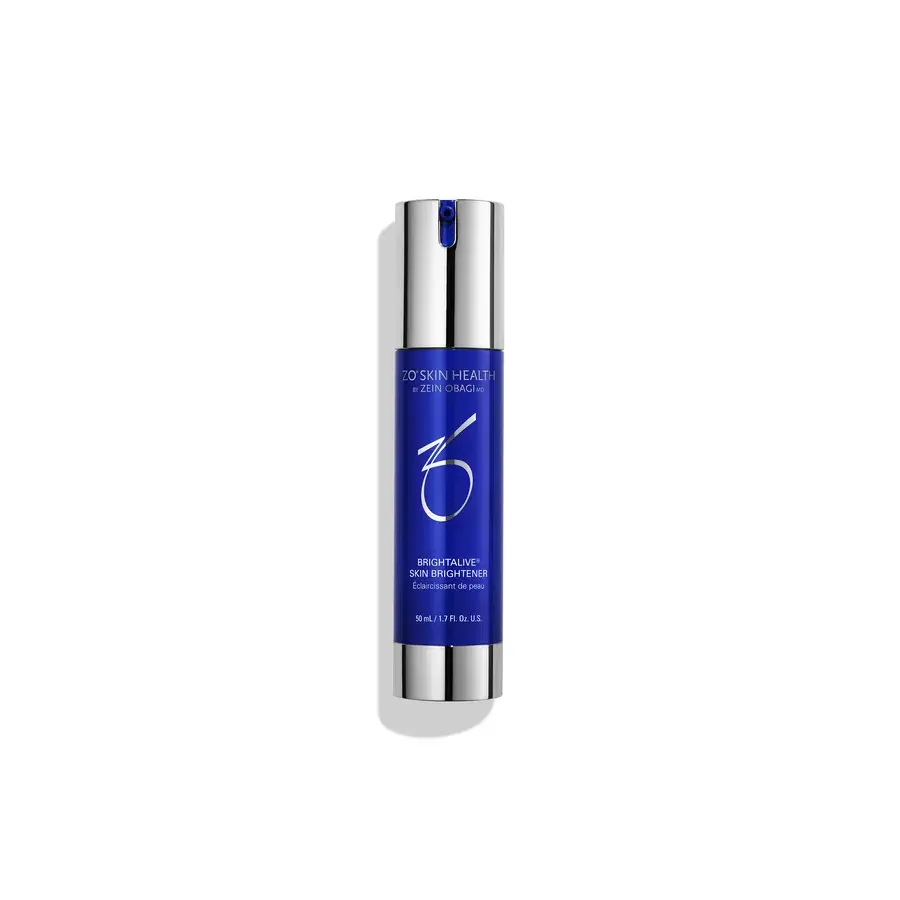
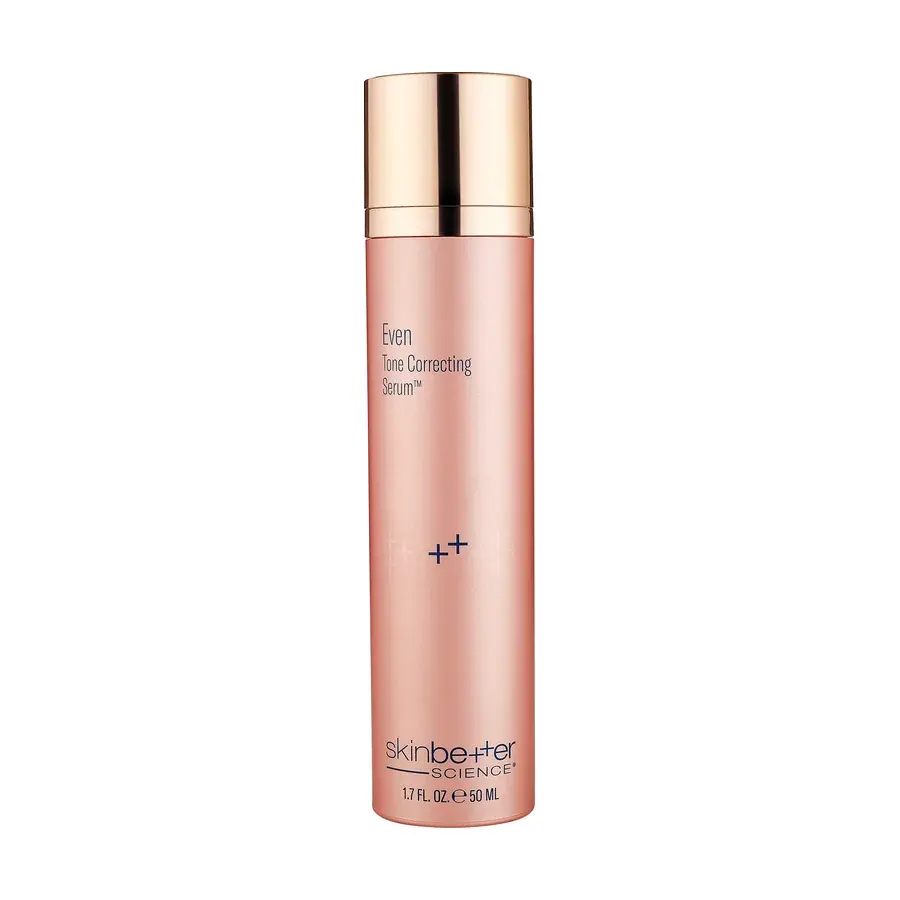
For marks that are more stubborn, I like ZO Brightalive Skin Brightener, which is retinol-free and sits comfortably alongside a retinol routine, or skinbetter science Even Tone Correcting Serum. Both are ordered after a free consultation, so one of my skin experts can check what suits you first.
What to be patient with, and careful with
Your skin renews gradually, so give any brightening routine at least twelve weeks before you judge it. Newer marks often soften first. Older or deeper ones take longer, and some may never fully fade with skincare alone.
More is not faster. Piling on several brighteners and acids at once can irritate your skin, and irritated skin can darken further, particularly in deeper skin tones. Patch-test new products, start retinol and acids slowly, and wear SPF daily. Retinol isn't for use while you're pregnant or breastfeeding.
Tanisha's tipTake a photo in the same spot, in daylight, every four weeks. Pigment changes slowly, and photos show progress your mirror won't.
When to see a professional
Melasma shows as larger, often symmetrical patches on the cheeks, forehead or upper lip, and it's often linked to hormones. It behaves differently from sun spots and needs a careful plan, so mention it at your free consultation and we'll point you in the right direction.
See your GP promptly if any mole or spot changes in size, shape or colour, bleeds, itches or appears suddenly. And if you've been consistent for three months with little change, a skin professional can talk you through in-clinic options.