What's going on
Fine lines form where skin folds again and again: around your eyes when you smile, across your forehead, around your mouth. Over the years, skin makes less of the collagen and elastin that keep it springy, and sun exposure speeds that up.
Firmness is about more than the surface. The way your face sits also depends on what lies underneath, which skincare can't reach. Being honest about that from the start saves you a lot of money and disappointment.
Not every line is settled in, either. Fine, criss-cross lines that appear when your skin feels tight are often dehydration, and they can soften within days once your skin holds more water.
What helps
SPF is the foundation. Sun exposure is one of the biggest reasons skin looks older before its time, and daily protection is the simplest thing you can do for it, on your neck and hands too.
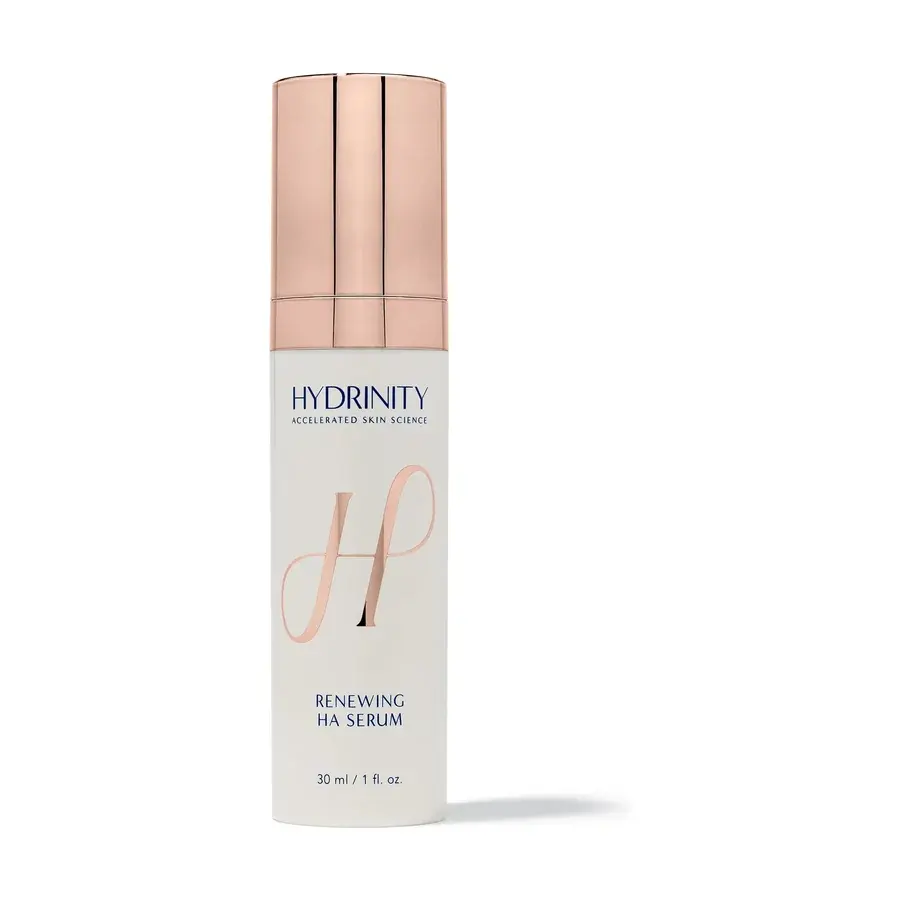
I've tried and tested thousands of products, and for lines I keep coming back to the same few ingredients. A retinoid comes first. Retinol and its relatives help skin look smoother, firmer and more even with regular use. Peptides support a firmer look, and hyaluronic acid draws water into the skin so lines look softer straight away, though that part is temporary.
Habits count as well: enough sleep, not smoking, and being gentle when you cleanse. None of this is glamorous, but it all adds up.
 Tanisha's tipIf you only add one thing, make it SPF. A retinoid can't keep up with sun damage that's still happening every day.
A realistic routine
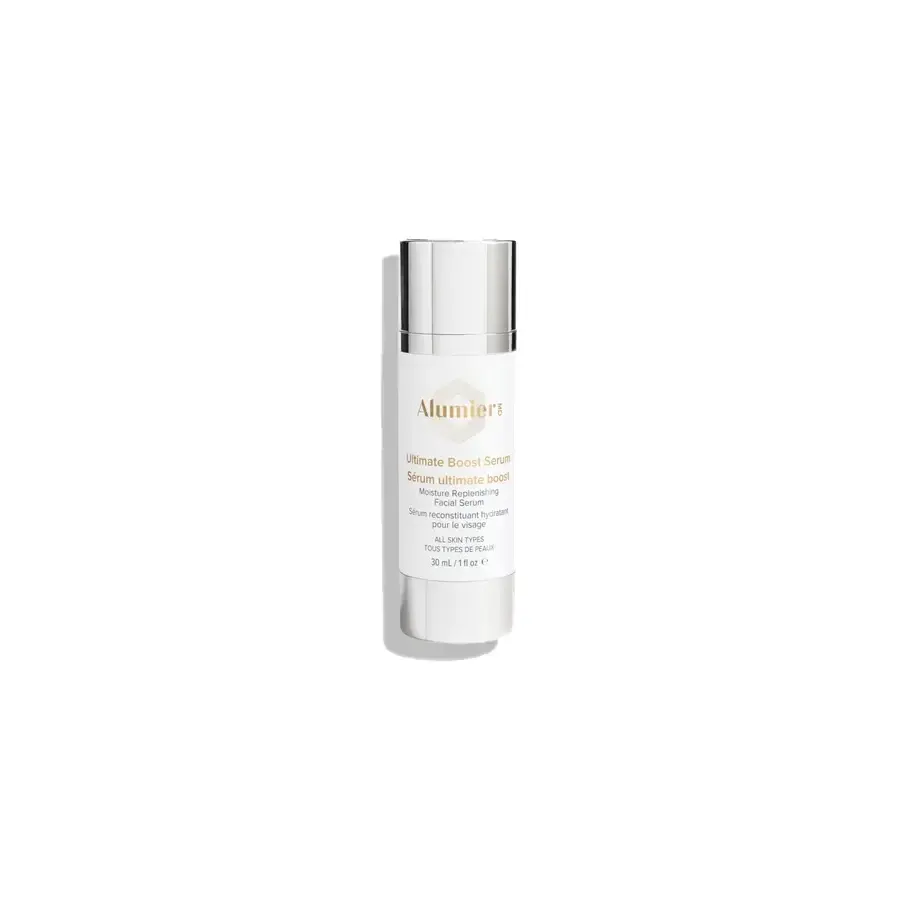
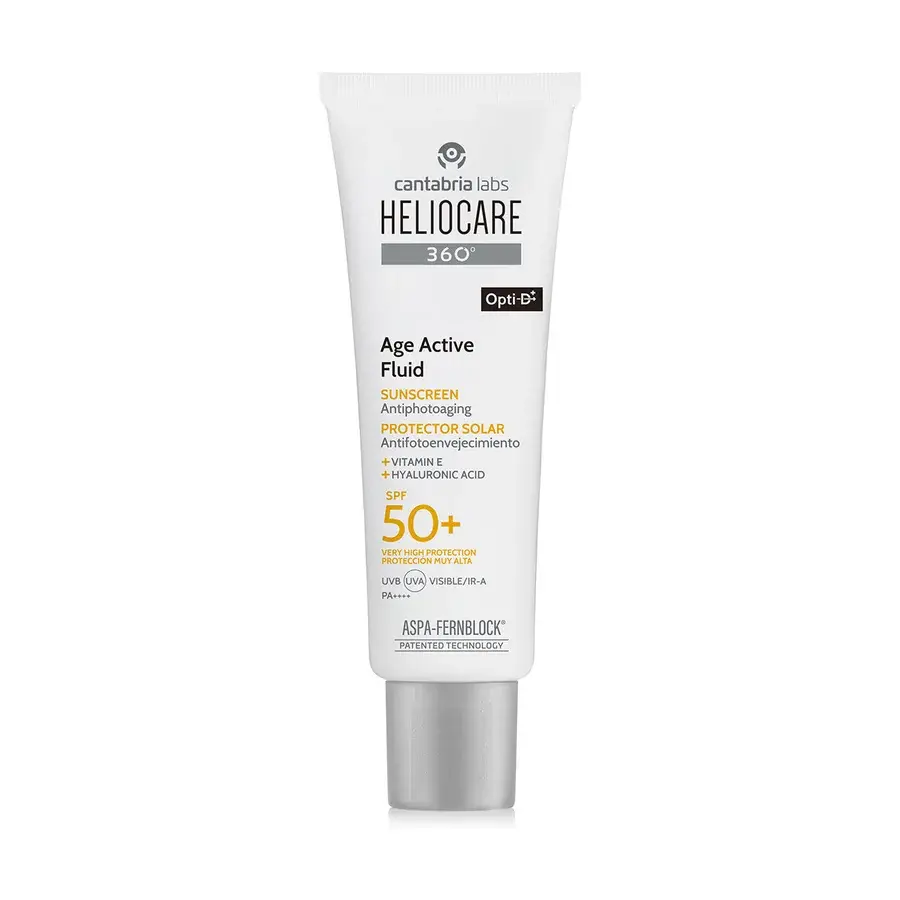
Morning: cleanse, then apply AlumierMD Ultimate Boost Serum, a hydrating peptide serum with hyaluronic acid and niacinamide that helps skin look smoother and firmer. Finish with Heliocare 360° Age Active Fluid SPF50+. It's light and hydrating, with a soft-focus finish that blurs the look of fine lines and a subtle tint for lighter to medium skin tones.
Evening: cleanse, then use AlumierMD Retinol Resurfacing Serum 0.25 two or three nights a week to start, a gentle, slow-release retinol that's ideal if you're new to it. Follow with AlumierMD HydraRich, a cushioning cream with squalane, shea and a peptide, which is lovely for drier or more mature skin.
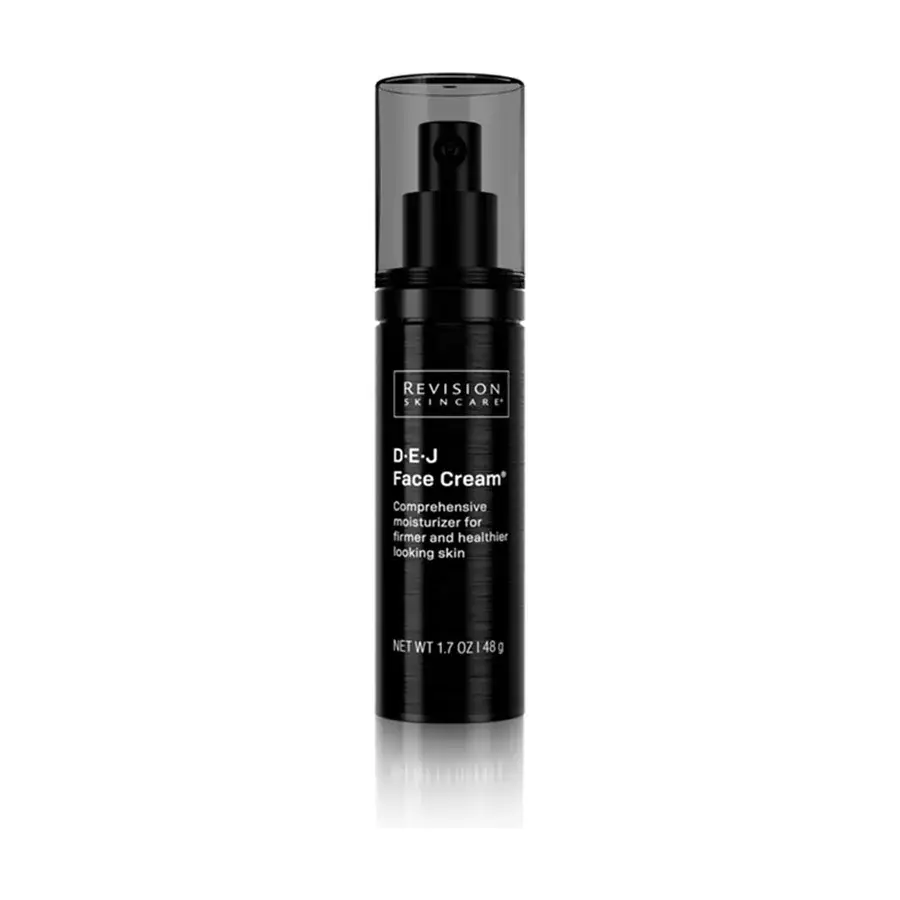
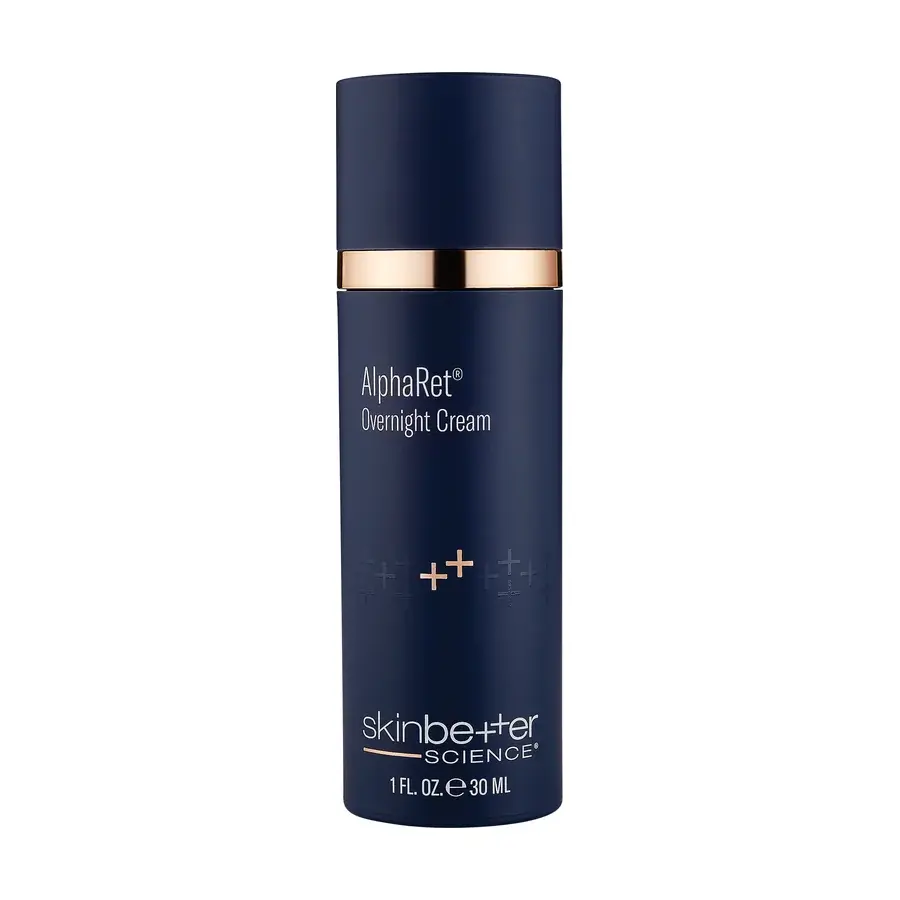
If your skin already gets on well with retinol, skinbetter science AlphaRet Overnight Cream pairs a retinoid with exfoliating acids and ceramides. For firmness, Revision Skincare D·E·J Face Cream uses peptides and antioxidants to help skin look firmer and fuller. Both are ordered after a free consultation, so we can check they're right for you.
How long to give it, and what to be careful with
Hydration shows within days. Retinoids and peptides work more slowly, so give them about three months of steady use before you decide. Consistency matters far more than strength.
Patch-test first, start retinoids slowly and expect a little dryness in the early weeks. Keep retinoids away from the corners of your eyes, nose and mouth, and wear SPF every morning. Retinoids aren't for use while you're pregnant, trying for a baby or breastfeeding.
Tanisha's tipUse a pea-sized amount of retinol for your whole face. More product doesn't mean faster results, just more irritation.
When to see a professional
If your skin becomes sore, swollen or very red, stop your products and get advice. See your GP about any new growth, or a mole or spot that changes. And if you'd like more than a home routine can give, a qualified skin professional can talk you through in-clinic treatments that suit your skin.