What's going on
Perimenopause is the stretch of time before your periods stop, and it can start years earlier than many people expect. As your hormones shift, your skin often notices too.
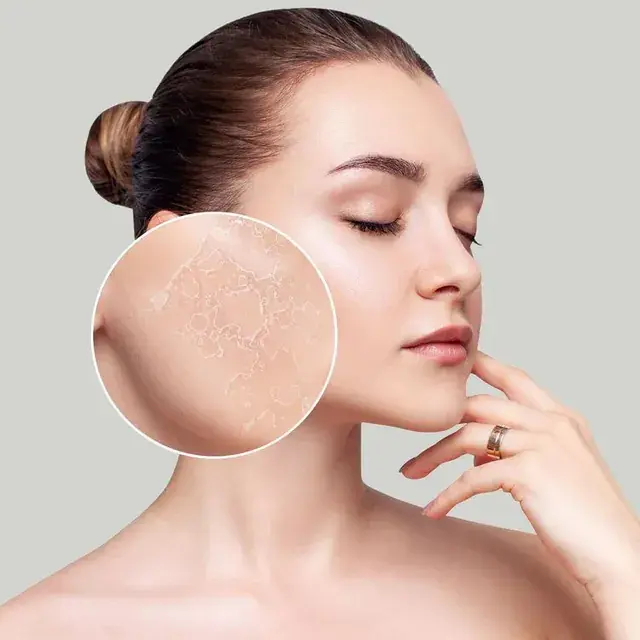
Common changes include dryness, skin that feels thinner or more fragile, more sensitivity, a loss of bounce and firmness, lines that look deeper, and a duller tone. Some people find breakouts come back, and hot flushes can leave skin feeling warm and a little red. Skin can also take longer to recover from irritation.
Everyone's experience is different. None of this means something is wrong. Your skin is simply asking for a slightly different kind of care.
What helps
Comfort comes first. Switch to a creamy cleanser and lukewarm water, and choose a richer moisturiser with ceramides, squalane or skin-like lipids to help your skin hold on to moisture. Hyaluronic acid adds hydration underneath.
For lines and firmness, a gentle retinol and peptides are still worth it, just introduced slowly. Daily SPF protects everything else you're doing, and your neck and chest deserve the same care as your face, because the skin there is thin and often shows changes first.
Keep things simple. Fragrance-free products and fewer steps are often kinder to skin that's become more reactive.
 Tanisha's tipBring in one new product at a time and give it two weeks. If your skin reacts, you'll know exactly which product it was.
A comfortable routine
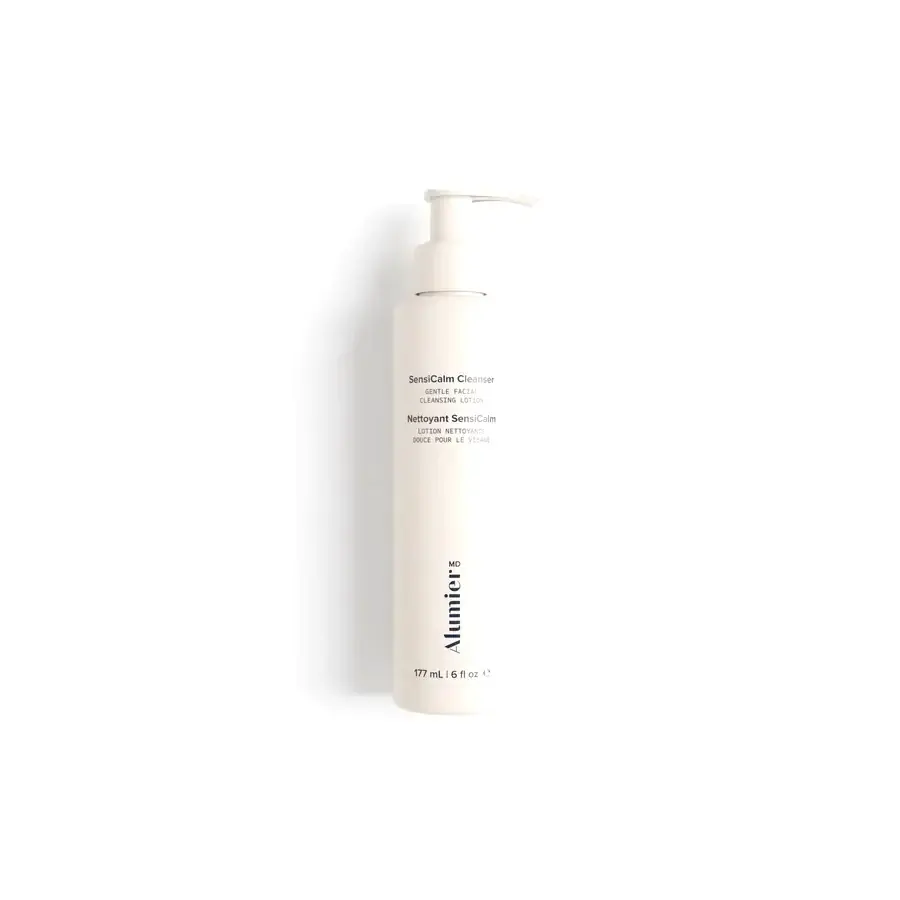
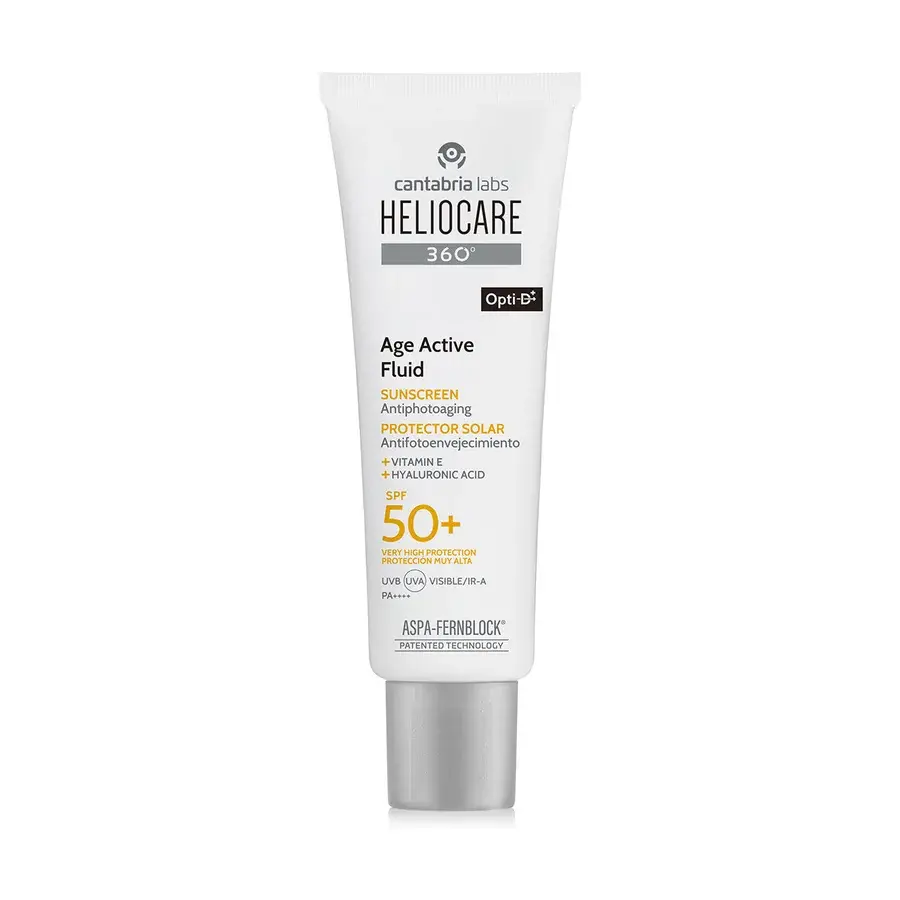
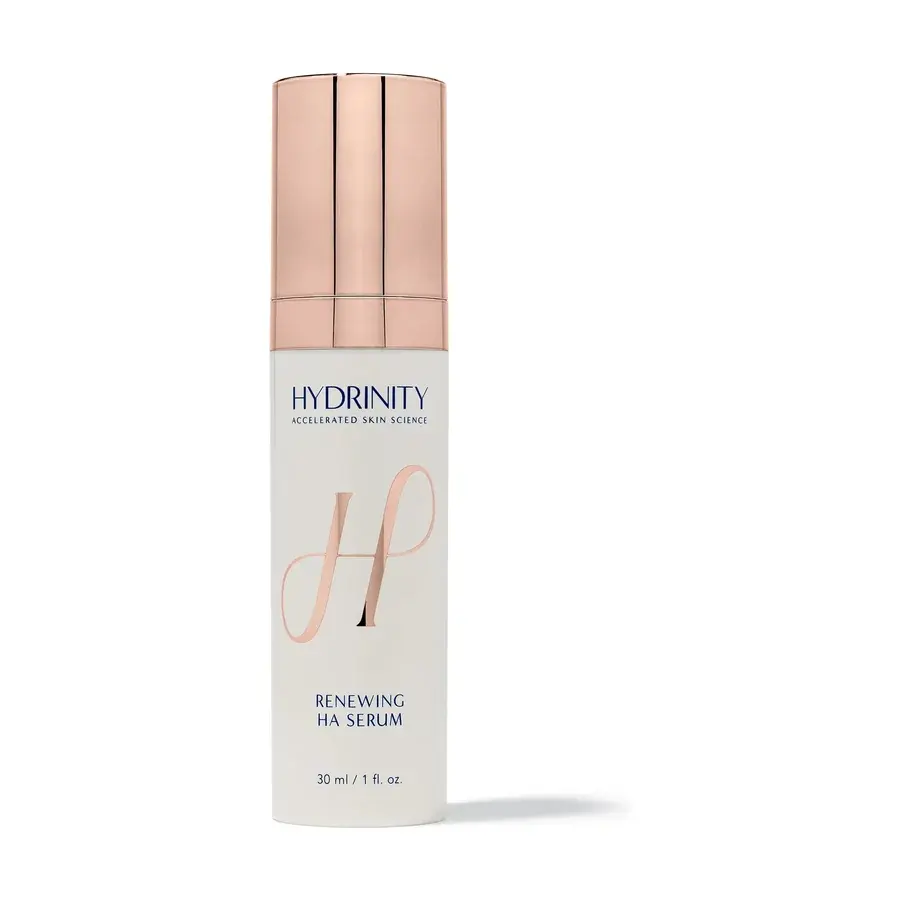
Morning: cleanse with AlumierMD SensiCalm Cleanser, a creamy, pH-balanced wash with ceramides and niacinamide. Apply Hydrinity Renewing HA Serum, which pairs hyaluronic acid with a smoothing peptide and squalane, then Revision Skincare DermProtect Barrier Defense, a rich moisturiser for dry, sensitive and mature skin. Finish with Heliocare 360° Age Active Fluid SPF50+, which is hydrating and has a subtle tint.
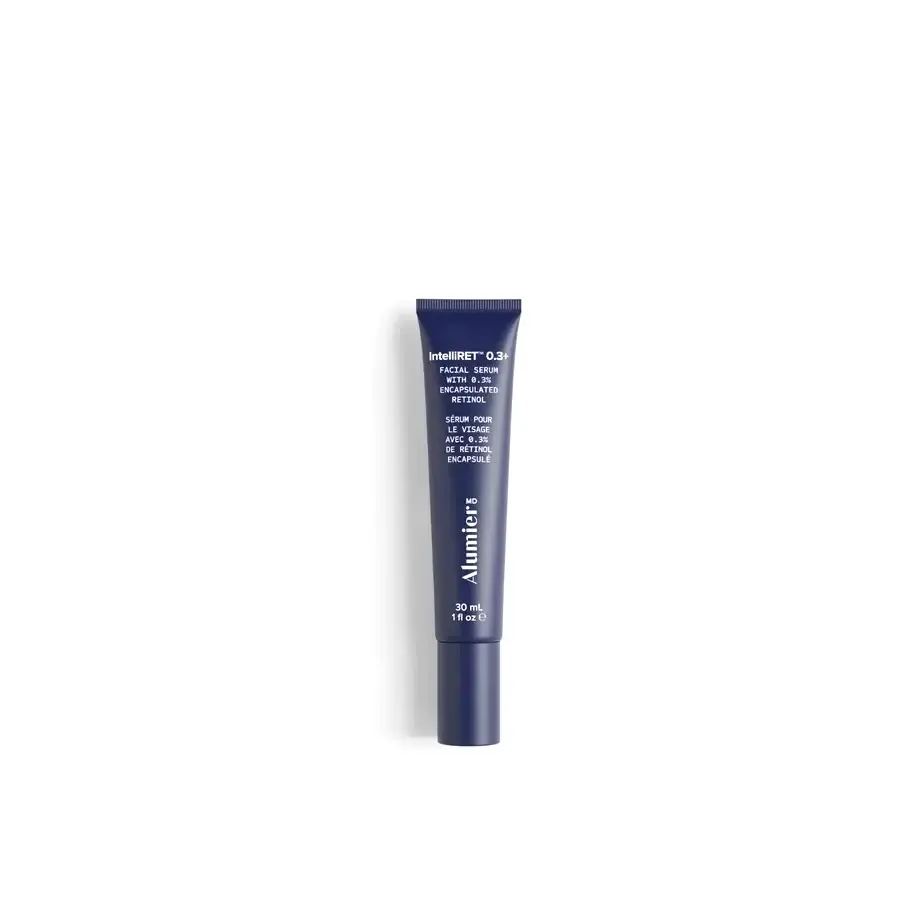
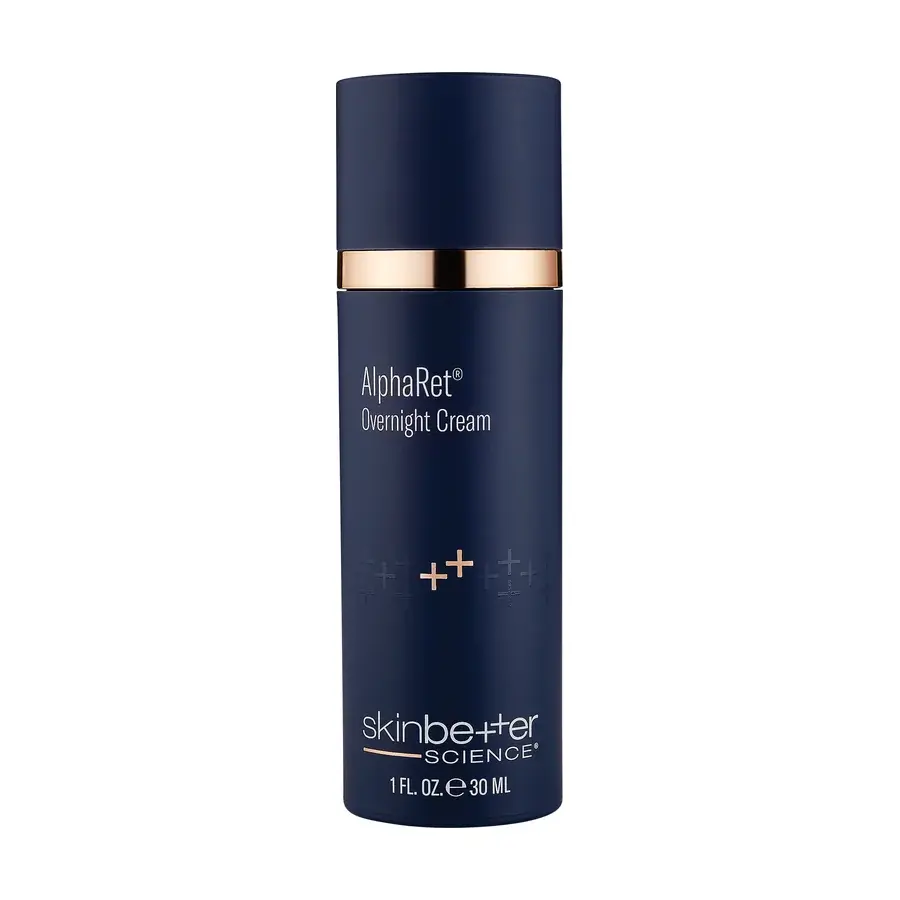
Evening: cleanse, then use AlumierMD IntelliRET 0.3+, a slow-release retinol designed to cause less dryness and irritation. Start once or twice a week and build up, then follow with DermProtect. Once your face is settled, add AlumierMD Neck & Décolleté Firming Cream to your neck and chest in the evening, starting slowly in the same way.
Hydrinity and Revision Skincare are ordered after a free consultation, so we can make sure they suit your skin now.
What to be careful with, and how long to give it
Go gently with scrubs, strong acids and hot water. Patch-test new products, wear SPF every day and keep retinol to a pace your skin enjoys. Retinol isn't suitable in pregnancy or while breastfeeding, so leave it out if there's any chance you could be pregnant.
Richer moisture can make skin feel more comfortable within days. Retinol and peptides take about three months to show what they can do. Your skin may keep changing through this stage, so it's worth looking at your routine again each season.
When to see a professional
See your GP about a rash that doesn't settle, skin that stays sore, or any mole that changes.