The difference, in plain words
Dry skin is a skin type. It makes less of its own oil, so it can feel tight, rough or flaky most of the time, and it tends to drink up rich creams.
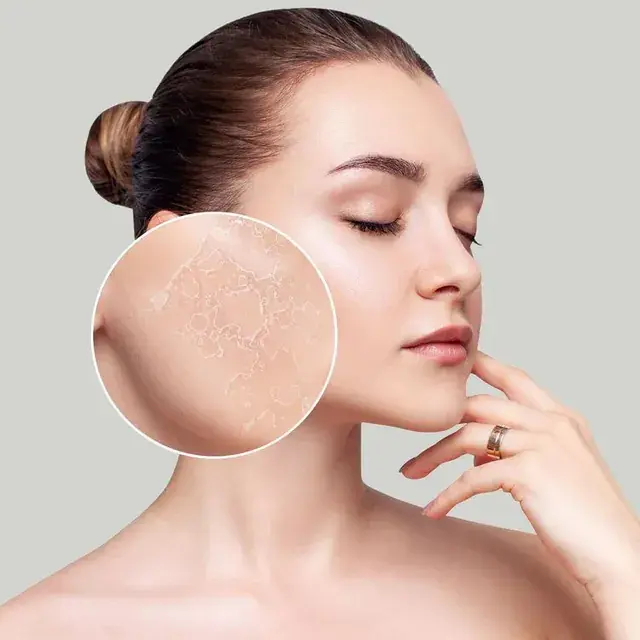
Dehydrated skin is a temporary state, and any skin type can have it, including oily skin. It's short of water rather than oil. It feels tight, looks dull and shows fine, criss-cross lines, yet it can still look shiny by lunchtime.
Central heating, cold wind, flights, harsh cleansers and too much exfoliating can all leave skin dehydrated. Many people have a bit of both, especially in winter.
How to tell which you have
Ask yourself a few questions. Does your skin feel tight after cleansing but look shiny later in the day? That points to dehydration. Does it feel tight, rough or flaky all day, and seem to absorb moisturiser as soon as you apply it? That points to dryness.
Does it change with the weather, a long flight or a week of late nights? Dehydration comes and goes like that. Dryness is more constant.
If you're still not sure, that's completely normal. A skin expert can usually tell quickly just by looking and asking a few questions.
 Tanisha's tipApply hydrating serums to slightly damp skin, then add moisturiser straight away to hold that water in.
What each needs, and a simple routine
Dehydrated skin needs water-loving ingredients such as hyaluronic acid, glycerin and polyglutamic acid, which draw moisture into the skin. Dry skin needs those too, plus nourishing ingredients such as squalane, shea butter, plant oils and ceramides, which help replace what's missing and keep moisture in.
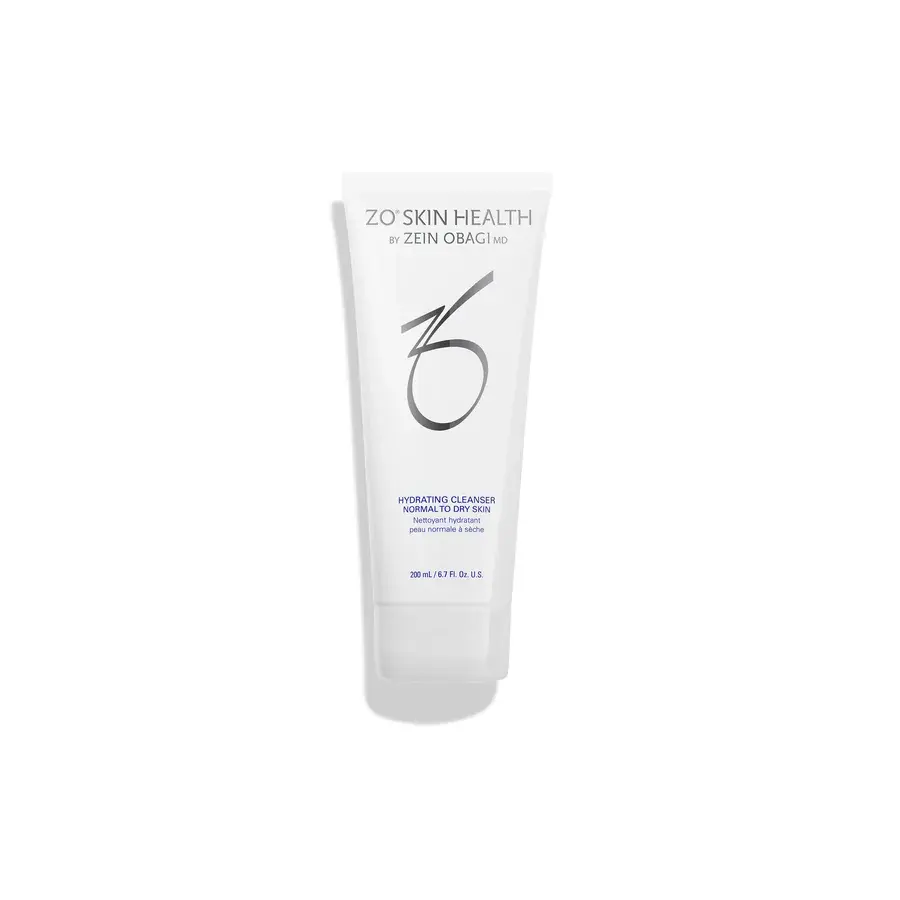
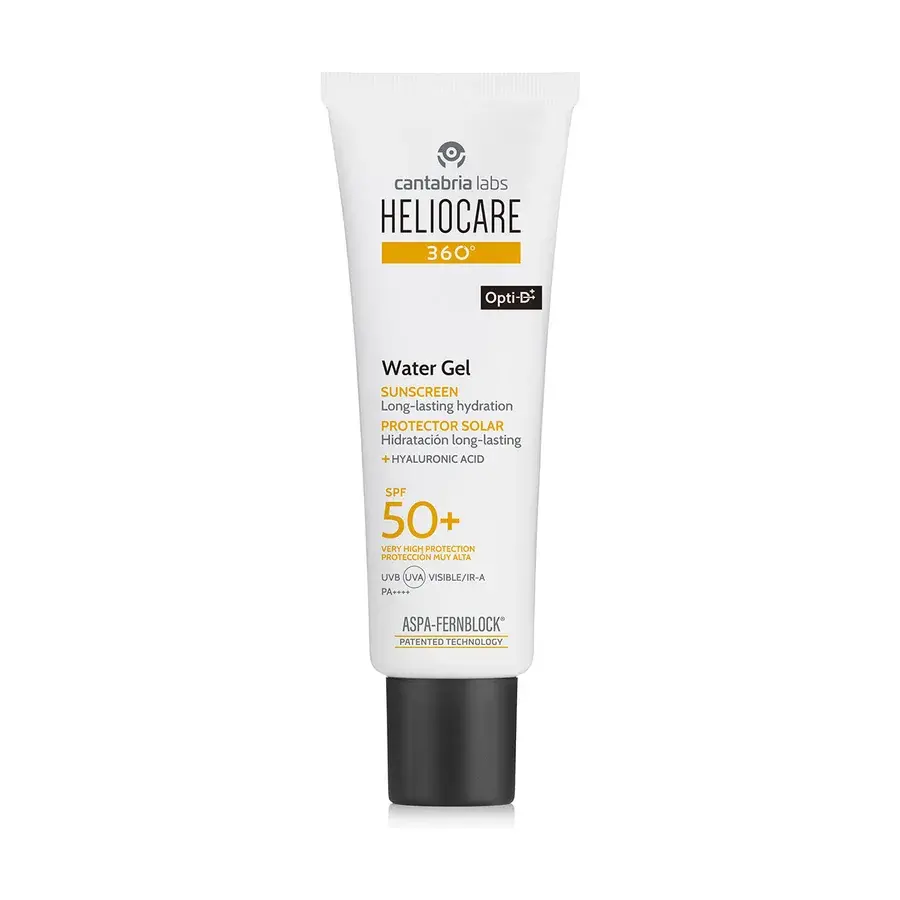
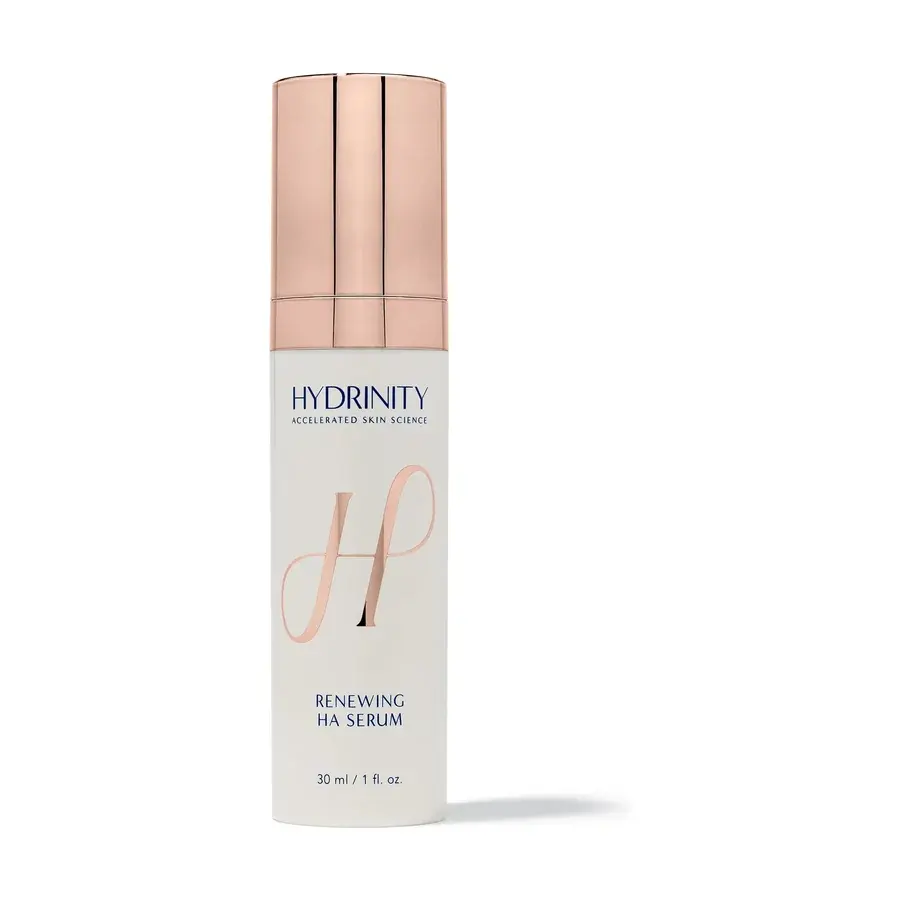
Morning: cleanse with ZO Hydrating Cleanser, a creamy, sulphate-free wash with hyaluronic acid, panthenol and urea. Press in Revision Skincare HA HydraSerum+, which layers several sizes of hyaluronic acid. Follow with AlumierMD HydraDew, then Heliocare 360° Water Gel SPF50+, which feels fresh and helps skin feel hydrated through the day.
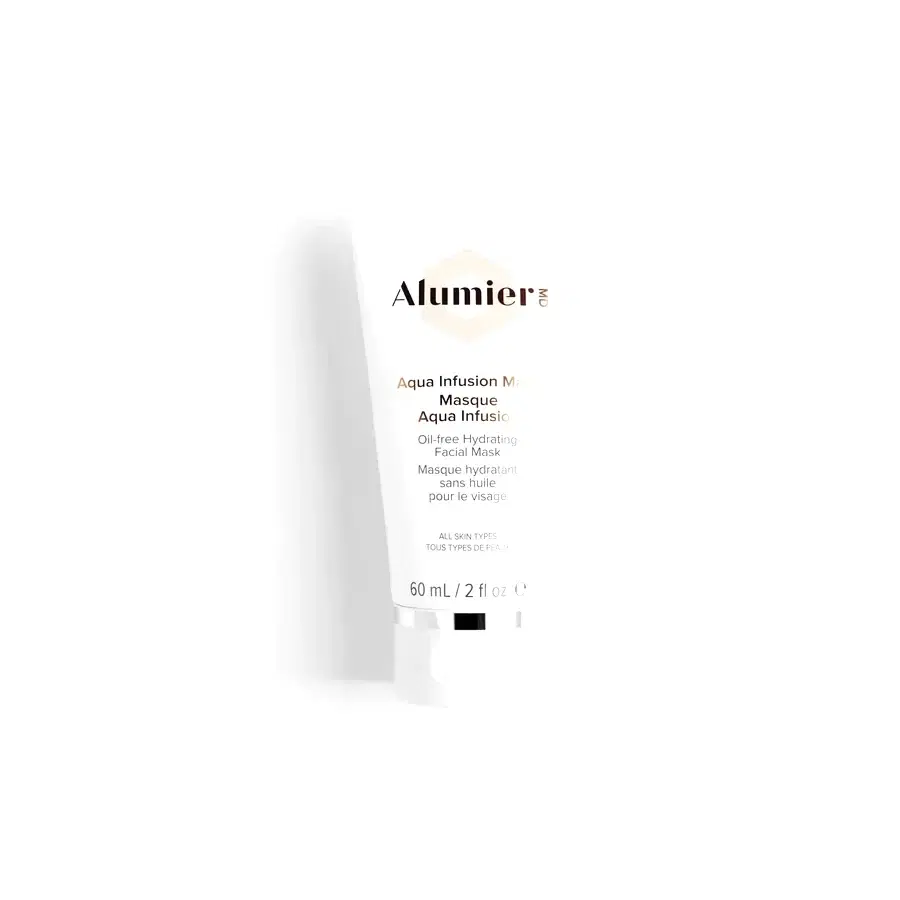
Evening: cleanse and use your serum again. If your skin is truly dry, swap to AlumierMD HydraRich at night, a cushioning cream with squalane, shea and jojoba oil. Once or twice a week, the AlumierMD Aqua Infusion Mask gives thirsty skin a cooling top-up in five to ten minutes.
ZO and Revision Skincare are ordered after a free consultation, so we can check they suit you first. The AlumierMD and Heliocare products can be bought straight away.
What to avoid, and how long to give it
Go easy on hot water, long hot showers and cleansers that leave your skin squeaky. Cut back on scrubs and exfoliating acids until your skin feels comfortable again, and if you use retinol, drop to fewer nights for a while. Patch-test new products, especially if your skin is sensitive.
Dehydration often improves within a week or two of gentler habits. Dry skin is a type, so think of richer moisture as part of your routine all year, not a quick fix.
When to see a professional
Please see your GP if your skin is cracked, bleeding or sore and isn't getting better, or if scaly patches keep spreading. These can be signs of a skin condition that needs a proper diagnosis. If your GP has given you a cream for your skin, keep following the advice that came with it.