What it is, in plain words
Think of the outer layer of your skin as a brick wall. Your skin cells are the bricks, and natural fats called lipids, such as ceramides and cholesterol, are the mortar holding them together.
When that wall is in good shape, it keeps water in and keeps irritants, pollution and germs out. Skin feels soft, comfortable and calm. When the mortar wears thin, water escapes more easily and things that wouldn't normally bother you start to sting.
A healthy barrier isn't something you fix once and forget. The weather, your routine, stress and sleep all affect it, so looking after it is an everyday habit rather than a rescue mission.
Signs your barrier needs some care
Your skin might feel tight, dry or rough. Products you've used happily for months might suddenly sting. You might notice redness, flaky patches, or skin that looks shiny but feels tight. Some people get more breakouts.
The usual causes are doing too much: over-exfoliating, using several strong actives at once, harsh cleansers or very hot water. Cold weather, central heating, stress and recent clinic treatments can add to it.
 Tanisha's tipIf everything stings, it isn't the products failing you. It's your skin asking for a break, so give it one.
What helps, and a simple routine
Strip your routine right back for a while: gentle cleanser, comforting moisturiser, SPF. Pause scrubs, exfoliating acids and retinol. Look for ceramides, cholesterol and other skin-like lipids to rebuild the mortar, plus hyaluronic acid, glycerin, niacinamide and squalane for moisture and comfort.
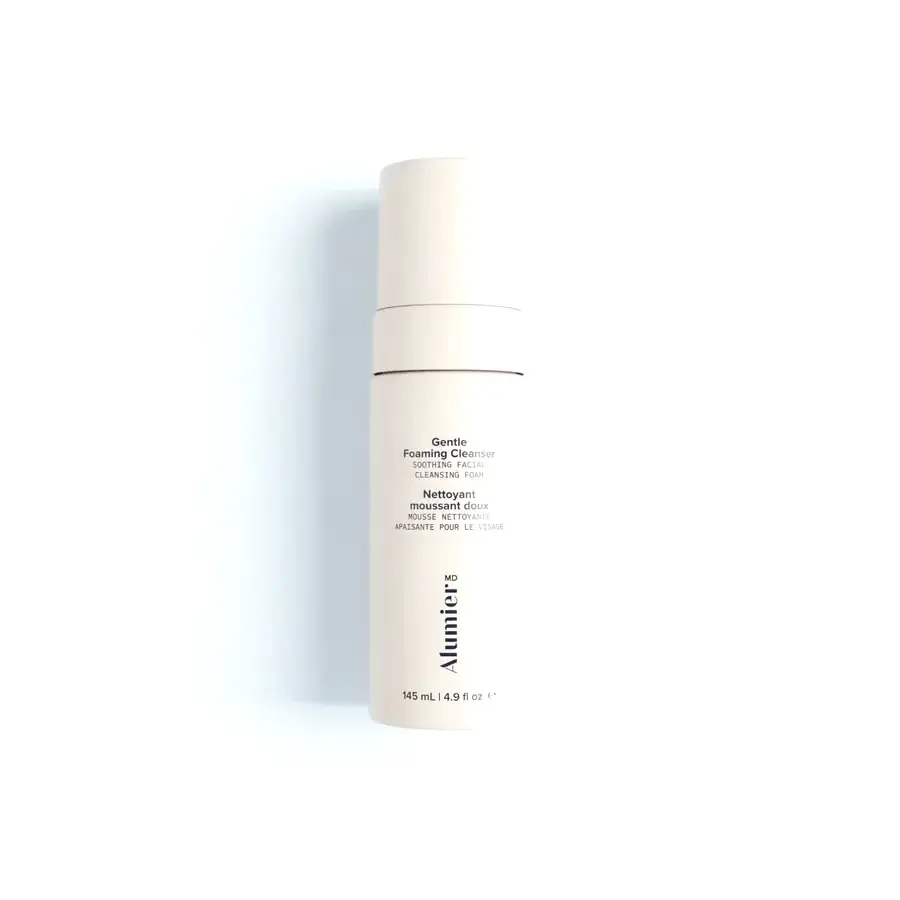
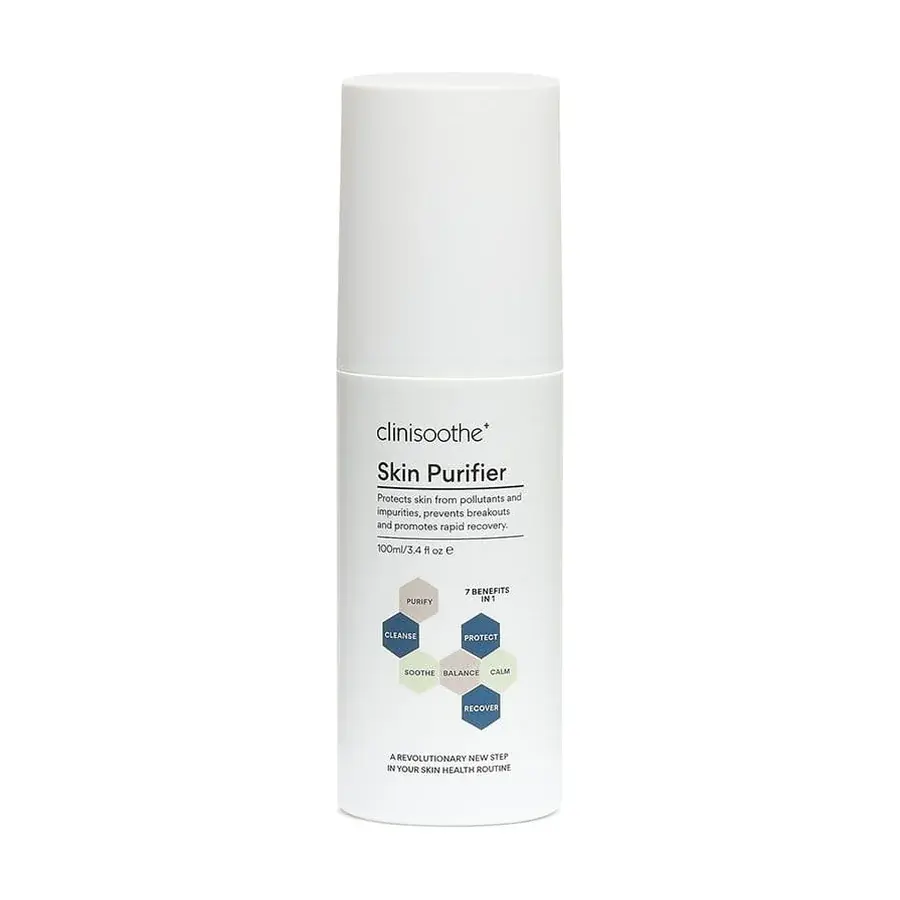
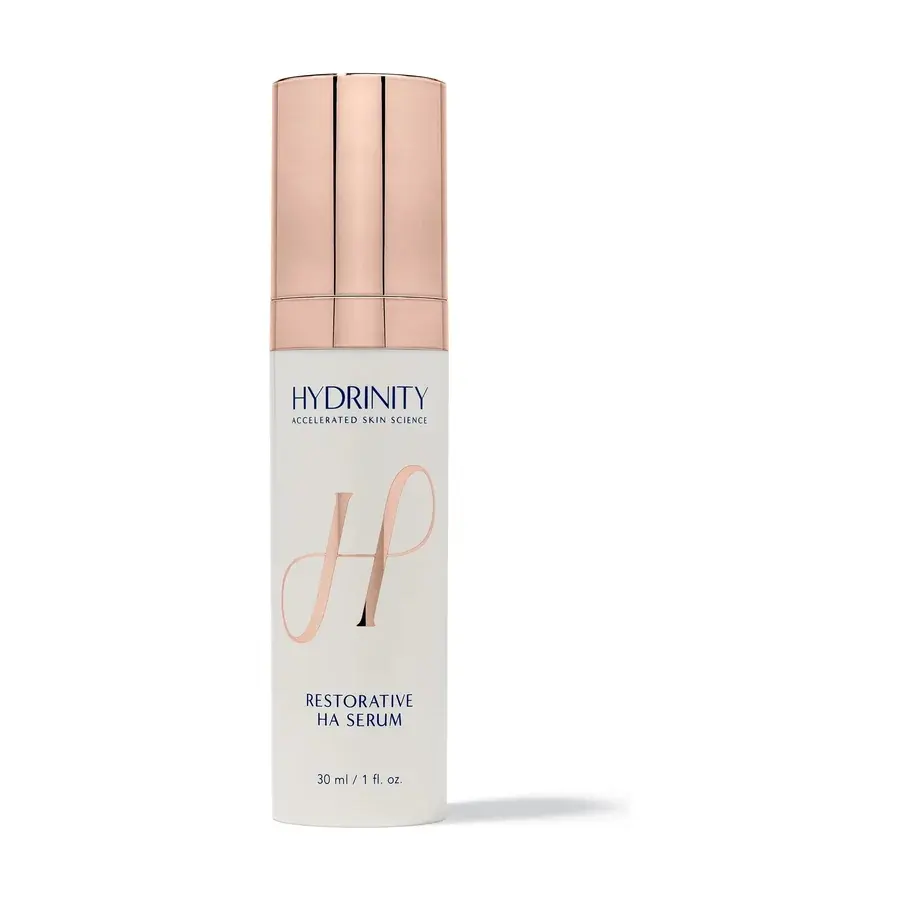
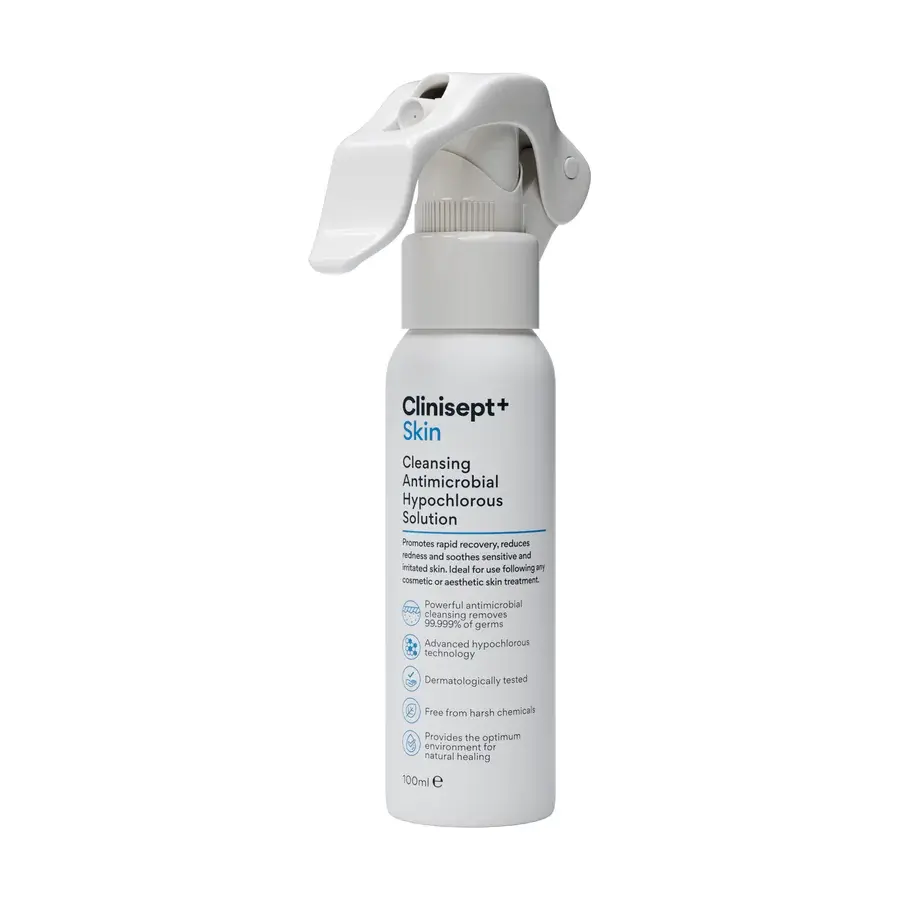
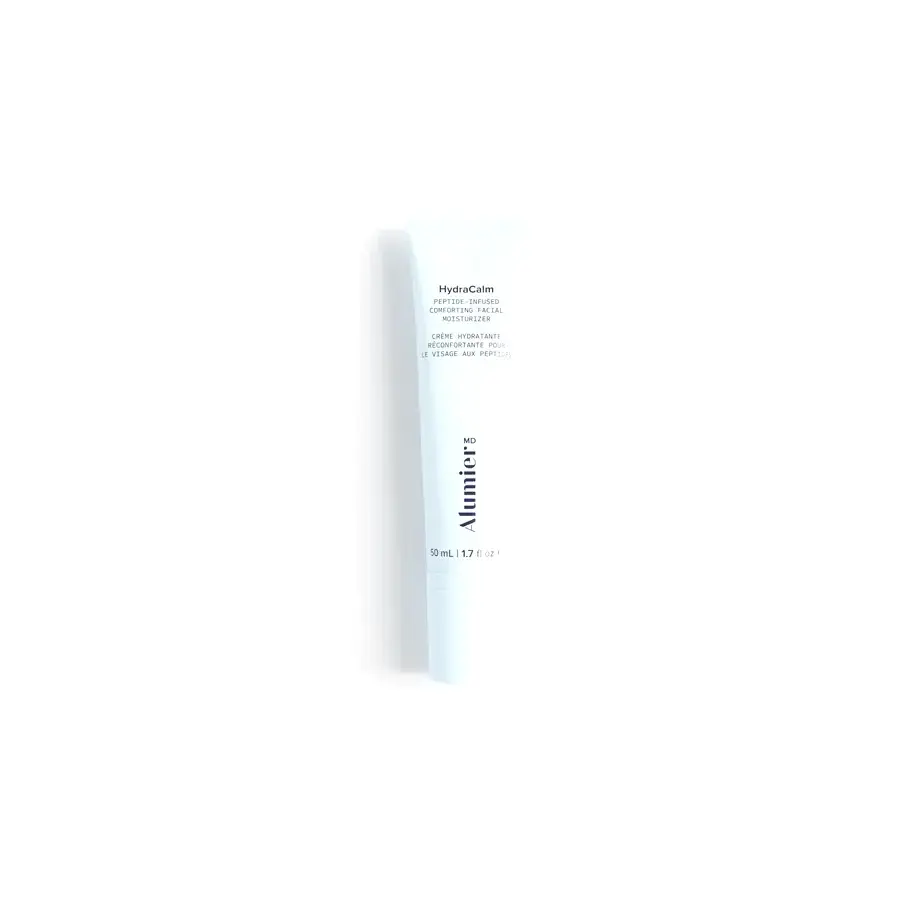
Morning: cleanse with AlumierMD Gentle Foaming Cleanser, which has ceramides and won't strip your skin, then mist on Clinisoothe+ Skin Purifier, a gentle hypochlorous spray with a skin-neutral pH and no alcohol or fragrance. Apply Hydrinity Restorative HA Serum, a soothing hyaluronic acid serum for skin that feels tight or easily upset, then AlumierMD HydraCalm. Finish with Heliocare 360° Mineral Tolerance Fluid SPF50, a fragrance-free mineral sunscreen made for sensitive skin.
Evening: cleanse, mist, serum, then moisturise. If your skin feels very dry, skinbetter science Trio Rebalancing Moisture Treatment, with ceramides, cholesterol and squalane, is a lovely evening option. Hydrinity and skinbetter science are ordered after a free consultation, so one of my skin experts can check they're right for you.
What to be careful with, and how long to give it
Resist the urge to buy five new products at once. Keep it simple, use lukewarm water, pat your skin dry and patch-test anything new.
Most skin starts to feel more comfortable within a few days. Give your barrier a few weeks of this simple routine before you bring actives back. Then reintroduce them one at a time, a couple of evenings a week, with SPF every morning. Retinol isn't for use while you're pregnant or breastfeeding.
When to see a professional
Stop your products and see your GP if your skin is cracked, weeping or swollen, has a rash that spreads, or hasn't settled after a few weeks of gentle care. Swelling of your lips, eyes or face after a new product needs urgent medical help.