
What a patch test is, and why I always ask for one
A patch test is simply trying a new product on a small patch of skin before you put it everywhere. If your skin is going to object, you find out on a little area you can hide, not across your whole face before a big day.
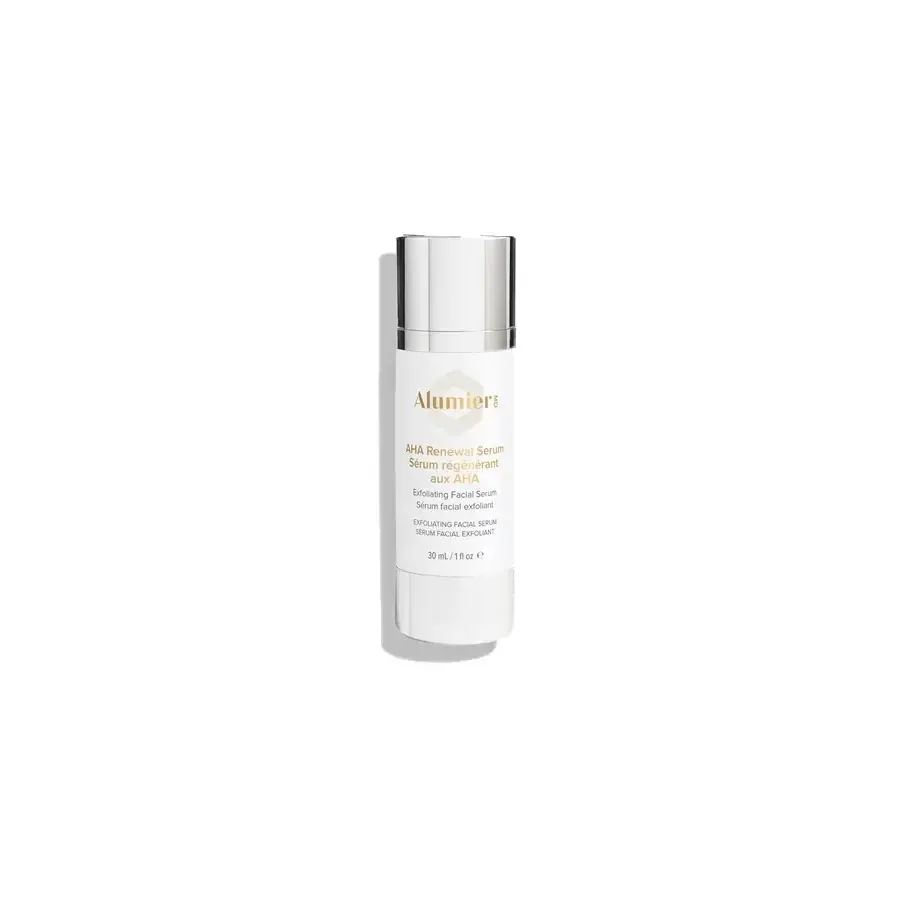
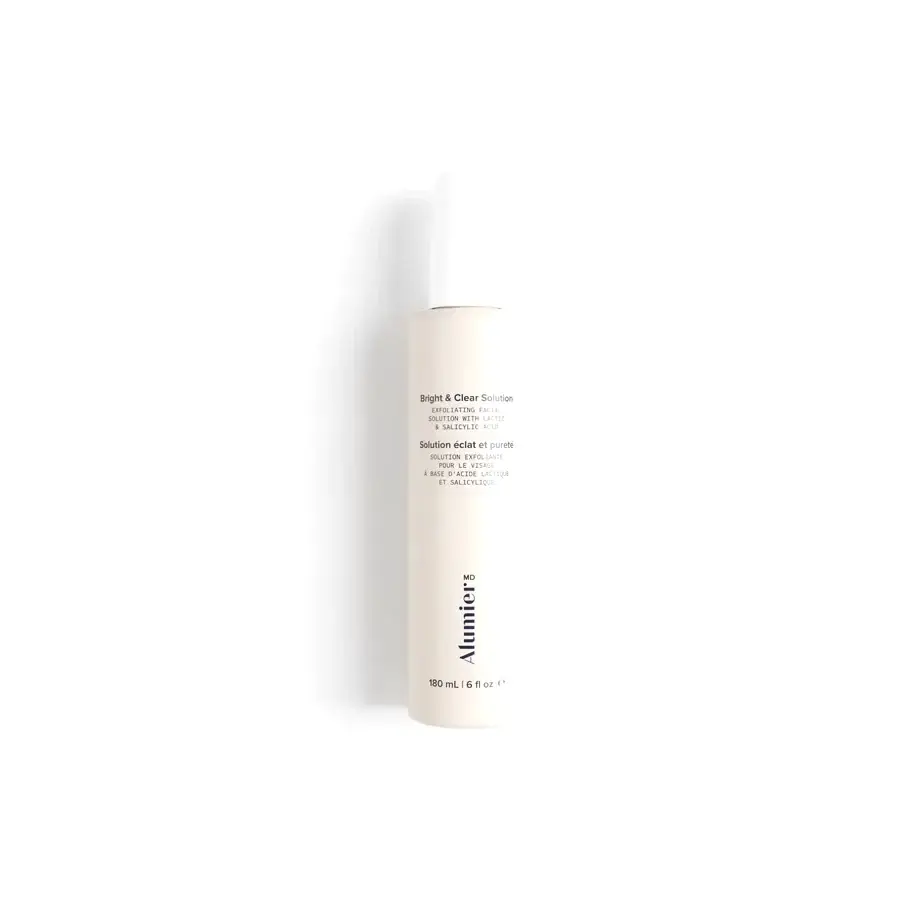
I suggest it for anything new, and especially for active ingredients such as retinoids, exfoliating acids and vitamin C, for products with fragrance or essential oils, and for anyone whose skin reacts easily. Many labels say the same. AlumierMD AHA Renewal Serum and Bright & Clear Solution both suggest a patch test for sensitive skin.
How to do it, step by step
1. Read the label first. Check the ingredients for anything you know doesn't agree with you. Bright & Clear Solution, for example, contains salicylic acid and isn't for anyone allergic to aspirin.
2. Choose your spot. For face products, I like a small area along the jawline or just below the ear. It's facial skin, but easy to cover. The inner arm is often less sensitive than your face, so it can miss things.
3. Use it as you would on your face. Apply a small amount to the same spot at the time of day you'd normally use it. A night serum goes on at night; a cleanser is massaged in and rinsed off.
4. Keep going for about a week. Some reactions show up straight away, others take a few days. With a retinoid or acid, test on two or three evenings across the week, just as you'd start it.
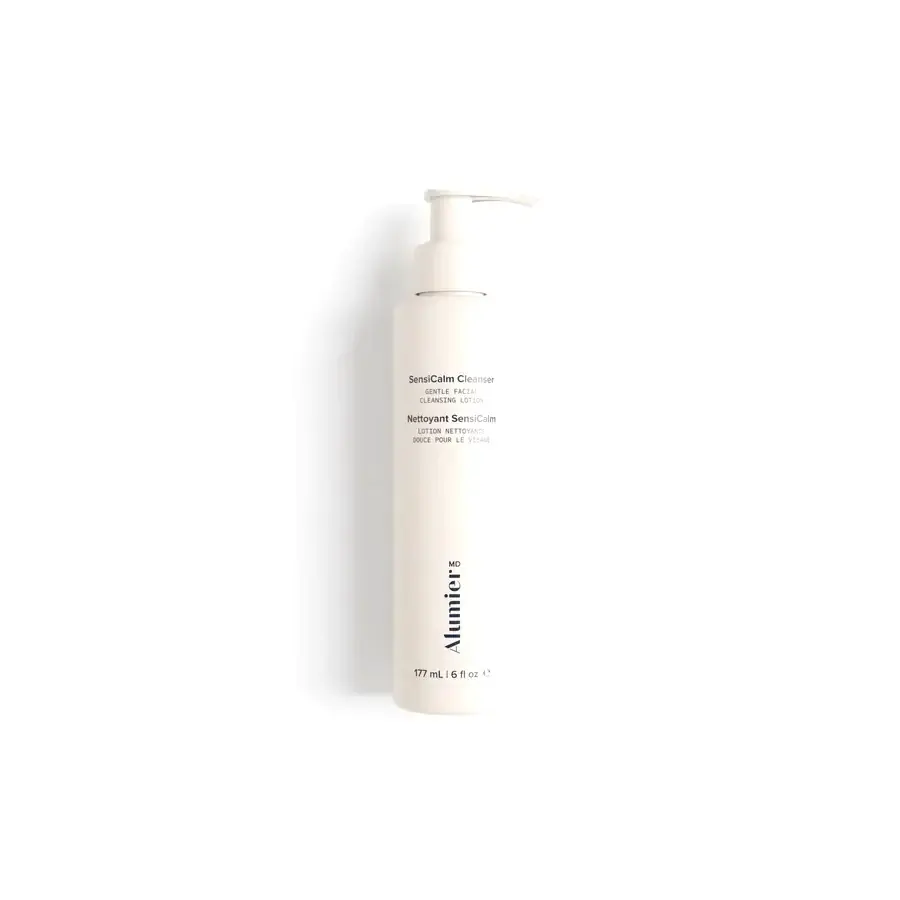
5. Check the area each day. Clear and comfortable? Begin using it on your face slowly, a few times a week at first. While you test, keep the rest of your routine gentle. AlumierMD SensiCalm Cleanser and Heliocare 360° Mineral Tolerance Fluid are both made with sensitive skin in mind.
 Tanisha's tipTest one new product at a time. If you try three at once and react, you won't know which one was the problem.
What a reaction looks like, and what to do
Watch for redness that doesn't fade, itching, burning or stinging that lingers, small bumps, a rash or swelling. A brief, mild tingle with acids or vitamin C can be normal. Anything that lasts or builds is not.
If you react, rinse the area with lukewarm water, stop the product and keep that skin simple. If it hasn't settled within a few days, or it's spreading, blistering or very sore, see your GP. If your face, lips, tongue or throat swell, or you have any trouble breathing, call 999.
The mistakes to avoid
Testing for one evening and calling it done. Testing on your hand and assuming your face will behave the same. Testing several products on one spot. And the big one: a clear patch test followed by a strong active every single night.
A patch test tells you whether your skin tolerates a product, not how much of it your skin can take. Build up slowly, and with retinoids and acids wear SPF every morning. Not sure a product suits you? Message us on WhatsApp before you open it and one of my skin experts will help.