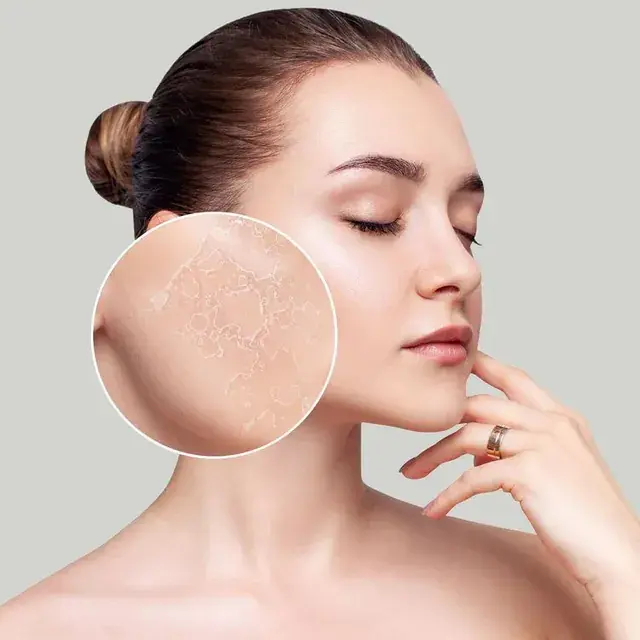
Why skin struggles in winter
Cold air holds less moisture, wind strips away what's on the surface, and central heating dries the air indoors. Add long, hot showers and it's no surprise skin can feel tight, look dull and flaky, or turn pink more easily.
Your skin's barrier, the outer layer that keeps water in and irritants out, works harder in these conditions. A few small changes help it stay comfortable.
Your winter routine, step by step
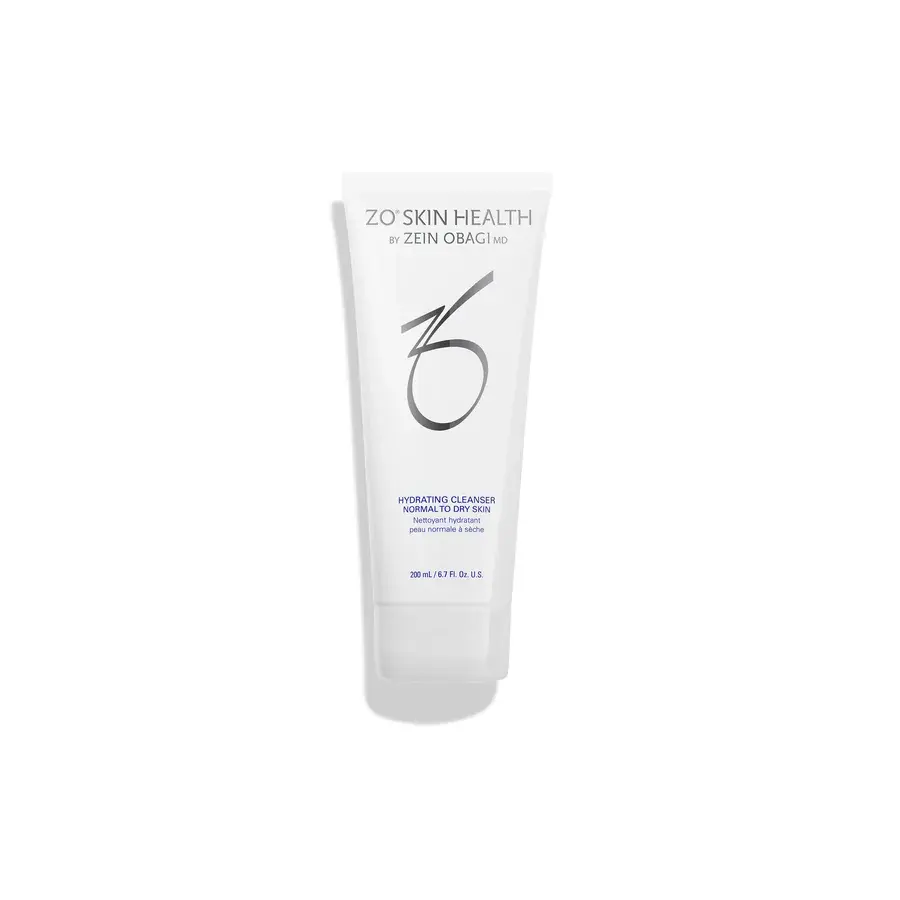
Cleanse gently. Swap foaming or exfoliating cleansers for something creamier, and use lukewarm water. ZO Hydrating Cleanser is rich and sulphate-free, with hyaluronic acid and panthenol, and leaves skin soft rather than tight.
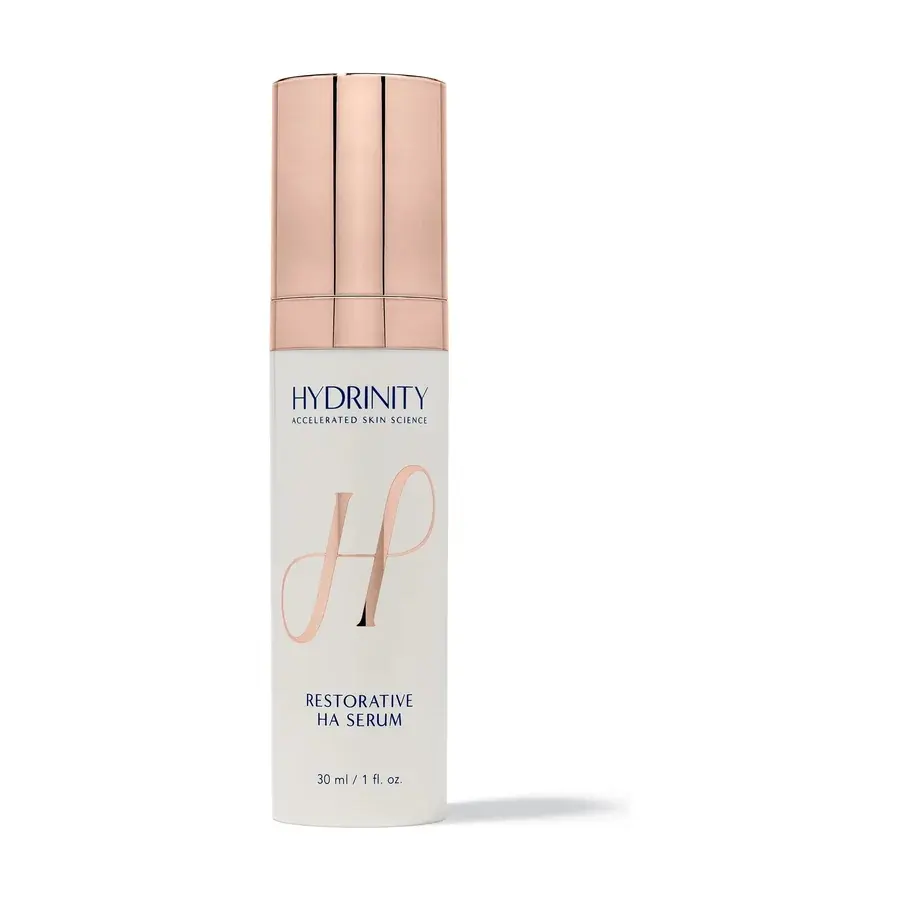
Add a hydrating serum. Hydrinity Restorative HA Serum pairs hyaluronic acid with a plant-derived peptide and soothing extracts, and sits well under moisturiser.
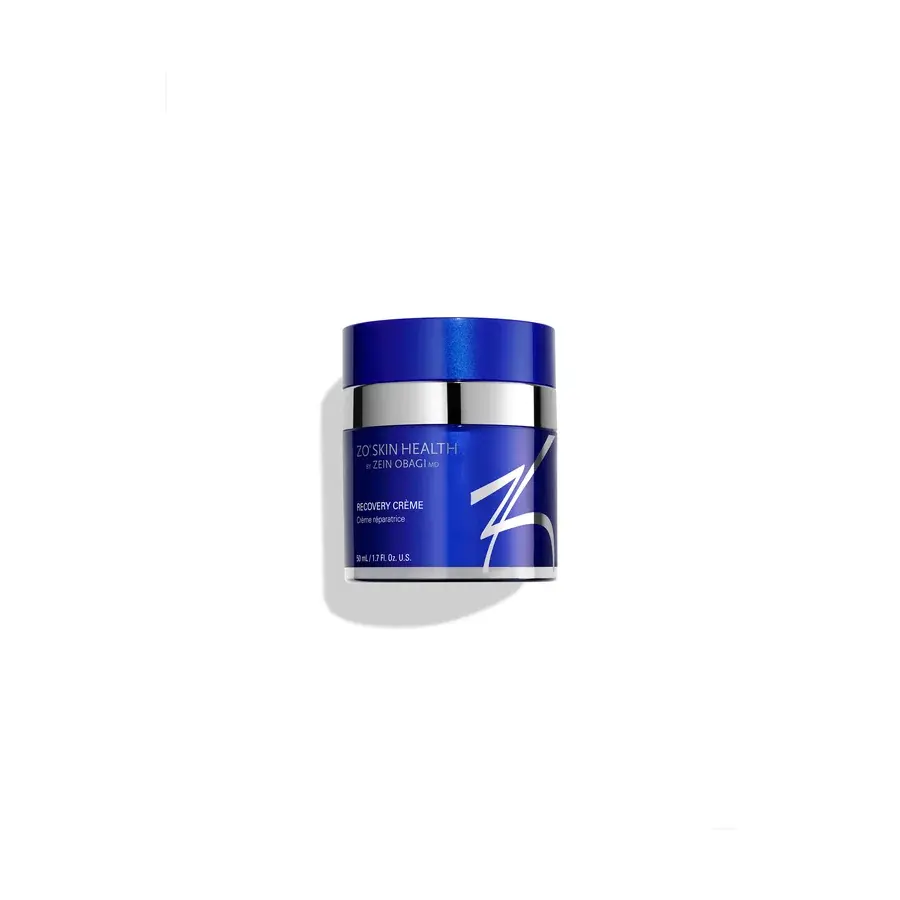
Go richer with moisturiser. AlumierMD HydraRich is a cushioning cream with squalane, shea and jojoba oil for dry or dehydrated skin. If your skin is dry and prone to redness, ZO Recovery Crème is fragrance-free and helps calm the look of redness.
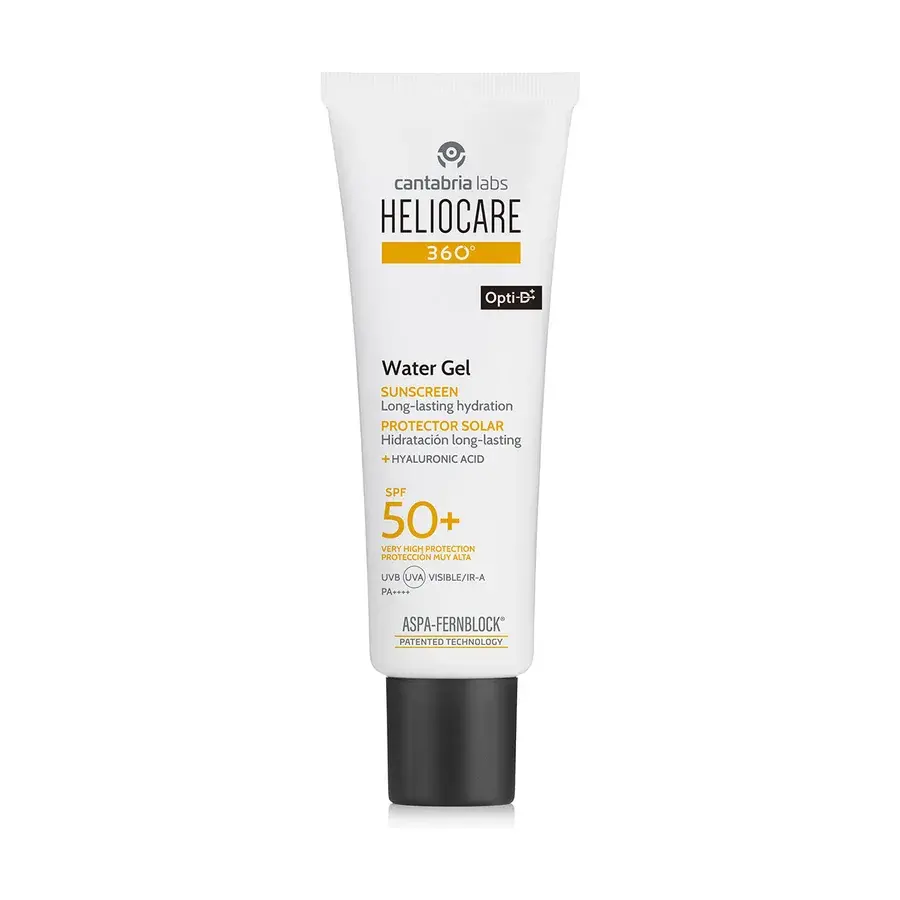
Keep wearing SPF. UVA, the part of sunlight linked to the look of ageing, reaches us all year, even through cloud. Heliocare 360° Water Gel is hydrating, so it suits winter skin well.
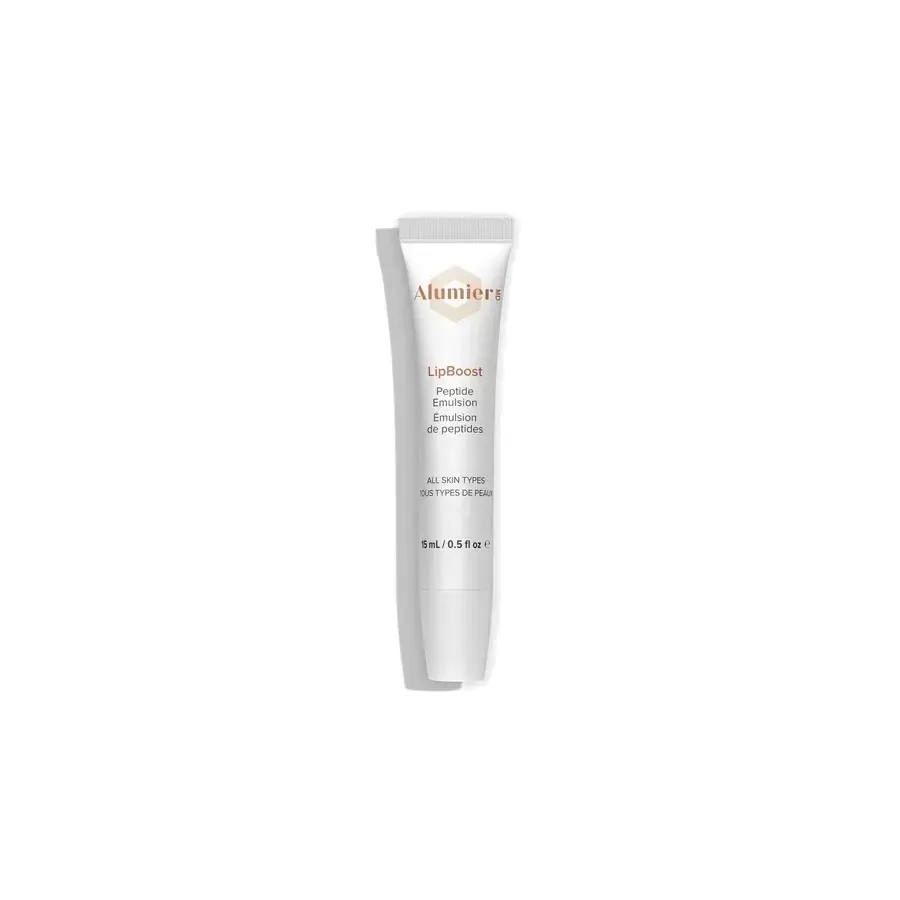
Look after your lips. AlumierMD LipBoost helps smooth dry, rough lips. Use it morning, evening and whenever they feel dry.
 Tanisha's tipApply moisturiser within a minute or two of cleansing, while your skin is still slightly damp. It helps hold that water in before the dry air takes it.
Adjusting your actives
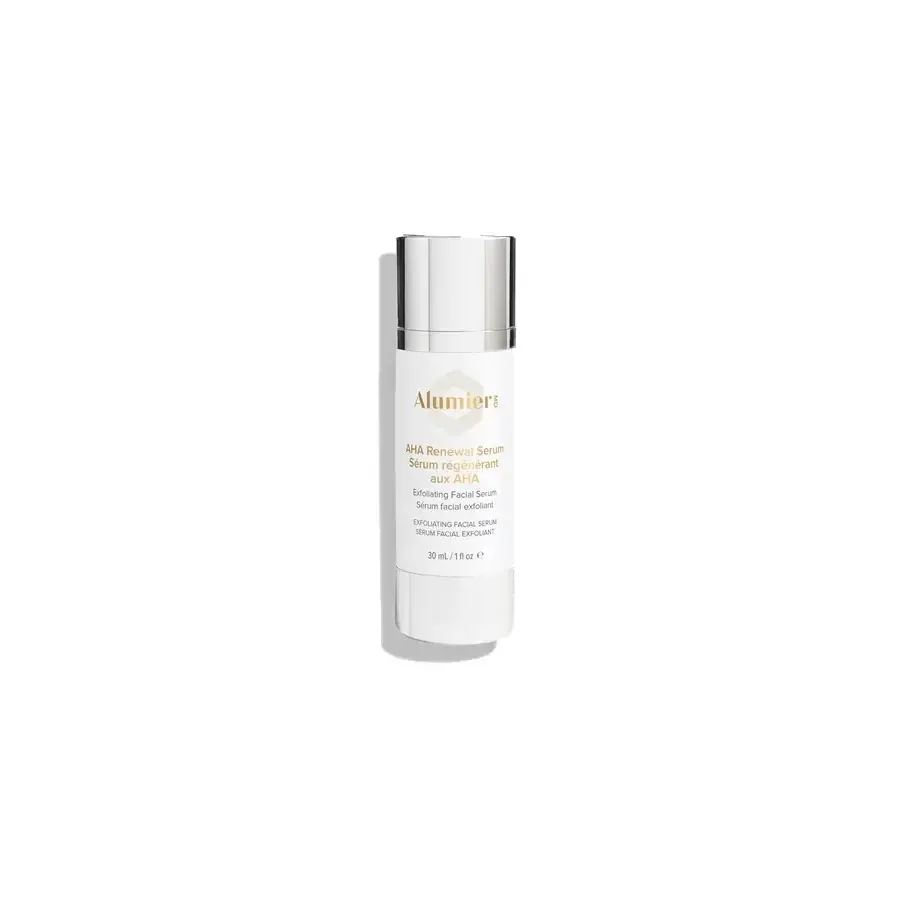
Retinoids and exfoliating acids can feel stronger in winter. If your skin is stinging or flaking, use them less often for a few weeks, perhaps two evenings a week instead of four, with rest nights of just serum and moisturiser in between. You don't have to stop altogether. Once your skin is comfortable, build back up slowly.
Go easy on scrubs too. Rubbing at dry flakes usually leaves skin rougher and more irritated.
Common mistakes, and when to get help
Long, hot showers. Sitting close to a heater or fire. Skipping SPF because it's grey. Scrubbing flakes away. Piling on rich cream while still using strong acids every night. If your bedroom is very warm and dry, a humidifier can help the air feel less harsh.
See your GP if your skin cracks and bleeds, or if a rash doesn't settle. These can be signs of a skin condition that needs more than a moisturiser. ZO and Hydrinity are ordered after a free consultation, which is also a good way to have your winter routine checked.